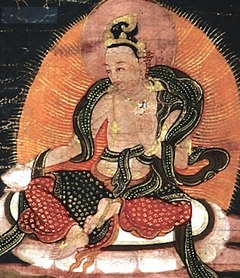
Khandro Nyingtik Ngöndro
༄༅། །རྫོགས་པ་ཆེན་པོ་ཟབ་ལམ་མཁའ་འགྲོ་སྙིང་ཐིག་གི་སྔོན་འགྲོའི་ངག་འདོན་ཟབ་ལམ་སྒོ་འབྱེད་བཞུགས།
A Gateway to the Profound Path
Preliminary Recitations for the Heart-Essence of the Ḍākinīs, the Profound Path of the Great Perfection
by Dilgo Khyentse Rinpoche
ན་མོ་གུ་རུ་ཛྙཱ་ན་ཌཱཀི་བྷྱཿ
Namo guru jñāna-ḍākinībhyaḥ!
འདིར་རྫོགས་པ་ཆེན་པོ་ཟབ་ལམ་མཁའ་འགྲོ་སྙིང་ཐིག་གི་ཐུན་མོང་གི་སྔོན་འགྲོའི་ངག་འདོན་འཇུག་བདེར་སྤེལ་བ་ལ་དྲུག་ལས།
Here, this convenient arrangement of the preliminary recitations for the Heart-Essence of the Ḍākinīs, the Profound Path of the Great Perfection, has six sections.
དང་པོ་ཐུན་གྱི་སྔོན་འགྲོ་ནི།
1. Preliminary to the Session
དབེན་པའི་གནས་སུ་ལུས་གནད་དྲང་པོར་བསྲང༌། ངག་གནད་རླུང་རོ་ལན་གསུམ་བསལ་བས་ནད་གདོན་སྡིག་སྒྲིབ་དག་པར་བསམ། སེམས་གནད་སེམས་ཅན་ཐམས་ཅད་ཀྱི་དོན་དུ་ལམ་ཟབ་མོ་ཉམས་སུ་བླང་བར་བགྱིའོ་སྙམ་པས། དཔལ་ལྡན་རྩ་བའི་བླ་མ་རིན་པོ་ཆེ་སོགས་ཀྱིས་སྤྱི་བོར་བླ་མ་བསྒོམས་ནས་མོས་གུས་ཚད་མེད་པས།
In an isolated location, sit up straight as the crucial point of the body; expel the stale three times as the crucial point of the speech; and consider, as the crucial point of the mind, that you practise this profound path for the sake of all sentient beings. As you recite "Glorious root guru, precious one… etc." visualize the guru at the crown of your head. Then, with unbounded devotion, recite:
དུས་གསུམ་སངས་རྒྱས་ཐམས་ཅད་ཀྱི་ངོ་བོ་དྲིན་ཅན་རྩ་བའི་བླ་མ་ལ་གསོལ་བ་འདེབས་སོ།
dü sum sangye tamché kyi ngowo drinchen tsawé lama la solwa deb so
Gracious root guru, essence of all the buddhas of the three times, I pray to you.
བདག་གི་རྒྱུད་བྱིན་གྱིས་རློབ་ཏུ་གསོལ།
dak gi gyü jin gyi lob tu sol
Bless my mind-stream, I pray.
ཞེས་འདོད་པའི་དོན་ལ་གསོལ་བ་རྩེ་གཅིག་ཏུ་བཏབ་པས་
As you pray single-pointedly with this objective, consider:
བླ་མ་འོད་དུ་ཞུ་ནས་རང་ལ་ཐིམ་པས་རྒྱུད་བྱིན་གྱིས་བརླབས་པར་བསམ།
lama ö du zhu né rang la timpé gyü jin gyi labpar gyur
The guru melts into light and dissolves into me, blessing my mind-stream.
དེ་ནི་ཐུན་ཐམས་ཅད་ཀྱི་མགོར་བྱའོ། །
Repeat this process at the beginning of each session.
གཉིས་པ་སྐྱབས་འགྲོ་ནི།
2. Taking Refuge
རང་ཉིད་གང་དུ་གནས་པའི་ས་ཕྱོགས་འདི་ཉིད་རིན་ཆེན་སྣ་ཚོགས་ལས་གྲུབ་པའི་ཞིང་ཁམས་མཛེས་ཤིང་ཡིད་དུ་འོང་བའི་དབུས་སུ་དཔག་བསམ་གྱི་སྡོང་པོ་ཡལ་ག་ལྔ་པ་ལོ་འདབ་དང་མེ་ཏོག་འབྲས་བུ་ཕུན་སུམ་ཚོགས་པས་ནམ་མཁའི་དབྱིངས་ཁྱབ་པའི་དབུས་སུ་སེང་གེས་བཏེགས་པའི་རིན་པོ་ཆེའི་ཁྲི་སྣ་ཚོགས་པདྨ་དང་ཉི་ཟླ་བརྩེགས་པའི་གདན་ལ་རྩ་བའི་བླ་མ་ཨོ་རྒྱན་རྡོ་རྗེ་འཆང་ཡུམ་དང་བཅས་པའི་རྣམ་པ་ཅན་ལ་བརྒྱུད་པའི་བླ་མ་རྣམས་དང་ཡི་དམ་ཞི་ཁྲོའི་ཚོགས་ཀྱིས་བསྐོར་བ།
rangnyi gangdu nepé sachok di nyi rinchen natsok lé drubpé zhingkham dzé shing yi du ongwé ü su paksam gyi dongpo yalga ngapa lodab dang metok drebu pünsum tsokpé namkhé ying khyabpé ü su sengé tekpé rinpoche tri natsok pema dang nyida tsekpé den la tsawé lama orgyen dorjé chang yum dang chepé nampachen la gyüpé lama nam dang yidam zhitrö tsok kyi korwa
The place where I am dwelling becomes a beautiful, enchanting pure realm made from various precious substances. In its centre is a wish-fulfilling tree with five main branches and abundant branches, foliage, flowers and fruit that extends throughout the whole expanse of space. At its centre, upon a jewelled throne supported by lions and upon seats of multicoloured lotus, sun and moon is my own root guru in the form of the Vajradhara of Oḍḍiyāna (Orgyen Dorje Chang) together with the consort, surrounded by hosts of lineage gurus and peaceful and wrathful yidam deities.
མདུན་གྱི་ཡལ་གའི་དབུས་སུ་སངས་རྒྱས་ཤཱཀྱ་ཐུབ་པ་ལ་ཕྱོགས་བཅུ་དུས་གསུམ་གྱི་སངས་རྒྱས་མཆོག་གི་སྤྲུལ་པའི་སྐུ་རྣམས་དང༌།
dün gyi yalgé ü su sangye shakya tubpa la chok chu dü sum gyi sangye chok gi trulpé ku nam dang
On the front branch is the Buddha Śākyamuni together with the supreme nirmāṇakāya buddhas of the ten directions and three times.
གཡས་ཀྱི་ཡལ་གར་འཇམ་དཔལ་ལ་སོགས་པ་བྱང་ཆུབ་སེམས་དཔའི་དགེ་འདུན་རྣམས་དང༌།
yé kyi yalgar jampal lasokpa changchub sempé gendün nam dang
On the right branch is the saṅgha of bodhisattvas, including Mañjuśrī.
གཡོན་གྱི་ཡལ་གར་ཤཱ་རིའི་བུ་ལ་སོགས་པ་ཉན་ཐོས་ཀྱི་དགེ་འདུན་འཕགས་པའི་ཚོགས་རྣམས་དང༌།
yön gyi yalgar sharibu lasokpa nyentö kyi gendün pakpé tsok nam dang
On the left branch is the noble saṅgha of śrāvakas, such as Śāriputra.
རྒྱབ་ཀྱི་ཡལ་གར་ཆོས་དཀོན་མཆོག་རྣམས་གླེགས་བམ་བྲག་རི་བརྩེགས་པའི་རྣམ་པ་ཅན་དང༌།
gyab kyi yalgar chö könchok nam lekbam drakri tsekpé nampachen dang
On the rear branch is the jewel of Dharma in the form of a mountainous pile of books.
དེ་རྣམས་ཀྱི་བར་མཚམས་ཐམས་ཅད་མཁའ་འགྲོ་ཆོས་སྐྱོང་སྲུང་མའི་ཚོགས་དང་བཅས་པས་བར་མེད་དུ་གང་བ་ཐམས་ཅད་ཀྱང་རང་ཉིད་ལ་དགྱེས་ཤིང་བརྩེ་བའི་ཚུལ་དུ་བཞུགས་པར་བསམ་ཞིང༌།
denam kyi bar tsam tamché khandro chökyong sungmé tsok dang chepé barmé du gangwa tamché kyang rangnyi la gyé shing tsewé tsul du zhukpar gyur
Between them all are the hosts of ḍākinīs and dharma guardians. Together, they fill the whole space entirely and look upon you with love and delight.
དེ་ནས་རང་དང་ལྷན་ཅིག་ཏུ་མཁའ་མཉམ་གྱི་སེམས་ཅན་ཐམས་ཅད་སྐྱབས་ཡུལ་རྣམས་ཀྱི་ཡོན་ཏན་དང་ཐུགས་རྗེ་དྲན་པའི་མོས་གུས་གདུང་ཤུགས་དྲག་པོས་མ་གྱུར་སེམས་ཅན་ཐམས་ཅད་འཁོར་བ་སྡུག་བསྔལ་གྱི་འཇིགས་པ་དྲག་པོ་ལས་བསྐྱབ་ཏུ་གསོལ་སྙམ་པའི་བསམ་པ་རྩེ་གཅིག་པས་ངག་ཏུ།
Then, consider that you and all sentient beings throughout the whole of space feel intense devotion as you recall the qualities and compassion of the sources of refuge. Focus single-pointedly on the wish that they save all sentient beings from the intense fear associated with the sufferings of saṃsāra, and recite:
ནམ་མཁའི་གནས་སུ་ནམ་མཁའ་གང་བ་ཡི། །
namkhé né su namkha gangwa yi
I and all beings of the six classes respectfully take refuge
བླ་མ་ཡི་དམ་མཁའ་འགྲོའི་ཚོགས་རྣམས་དང༌། །
lama yidam khandrö tsok nam dang
In the gurus, yidam deities and hosts of ḍākinīs,
སངས་རྒྱས་ཆོས་དང་འཕགས་པའི་དགེ་འདུན་ལ། །
sangye chö dang pakpé gendün la
And the Buddha, Dharma and noble Saṅgha,
བདག་དང་འགྲོ་དྲུག་གུས་པས་སྐྱབས་སུ་མཆི།
dak dang dro druk güpé kyab su chi
Who fill the expanse of space at the level of the sky.
ཞེས་སྐྱབས་འགྲོ་ཅི་ནུས་སུ་བྱས་ནས་ཐུན་འཇོག་ཁར།
Take refuge like this as many times as you can. Then, at the end of the session:
སྐྱབས་ཡུལ་རྣམས་ཀྱི་སྐུ་ལས་འོད་ཟེར་བྱུང་བས་སེམས་ཅན་ཐམས་ཅད་དག་པའི་ཞིང་དུ་དྲངས་མཐར་སྐྱབས་ཡུལ་རྣམས་འོད་ཀྱི་རྣམ་པར་བསྡུས་ནས་རང་ལ་ཐིམ་པར་བསམ།
kyabyul nam kyi ku lé özer jungwé semchen tamché dakpé zhing du drang tar kyabyul nam ö kyi nampar dü né rang la timpar gyur
Rays of light emerge from the forms of the sources of refuge, guiding all sentient beings to realms of purity. Then the sources of refuge fuse into light and dissolve into me.
Dedicate the virtue by saying:
རང་བཞིན་དག་པའི་དགེ་བ་འདིས། །
rangzhin dakpé gewa di
Through this naturally pure virtue,
འཁོར་བ་ངན་སོང་དོང་སྤྲུགས་ནས། །
khorwa ngensong dongtruk né
May saṃsāra and the lower realms be emptied.
སྲིད་ན་འགའ་ཡང་མི་གནས་པར། །
si na ga yang mi nepar
Let no one at all remain in conditioned existence,
ཐམས་ཅད་སངས་རྒྱས་མྱུར་ཐོབ་ཤོག །
tamché sangye nyur tob shok
But everyone swiftly attain enlightenment.
ཅེས་དགེ་བ་བསྔོའོ། །
གཉིས་པ་སྙིང་རྗེ་བྱང་སེམས་བསྒོམ་པ་ནི།
2. Cultivating Compassion and Bodhicitta
ནམ་མཁའ་ལ་མཐའ་མེད་པ་བཞིན་སེམས་ཅན་ལ་མཐའ་མེད། དེ་ཐམས་ཅད་རང་གི་ཕ་མ་མ་བྱས་པ་མེད། དེ་ཐམས་ཅད་ཞེ་འདོད་དང་ལག་ལེན་འཛོལ་བས་འཁོར་བ་མཐའ་མེད་དུ་འཁྱམས་པ་སྙིང་རེ་རྗེ། འདི་ག་གནས་ངན་དེ་དག་ཏུ་རང་གར་བོར་ན་དེ་ལས་ཁྲེལ་ཆེ་བ་སུ་ཡོད་པས། ཐར་པའི་བདེ་བ་ལ་འགོད་དགོས། དེའི་ནུས་པ་བདག་ལ་མི་འདུག་པས་སངས་རྒྱས་ཀྱི་གོ་འཕང་མྱུར་དུ་ཐོབ་པའི་ཆེད་ཟབ་ལམ་འདི་ཉམས་སུ་ལེན་སྙམ་པས།
Just as there are no limits to space, sentient beings are limitless in number. And there is not a single one of them who has not been one’s own mother or father. As their deepest wishes and their actions are in conflict, they must wander endlessly in saṃsāra. How pitiful! What could be more shameful than to leave them to their plight? We must secure for them the happiness of liberation. As we currently lack the power to accomplish this ourselves, we must practise this profound path so that we might swiftly reach the level of buddhahood. Recite:
བདག་དང་མཐའ་ཡས་སེམས་ཅན་རྣམས། །
dak dang tayé semchen nam
I and other sentient beings, infinite in number,
ཡེ་ནས་སངས་རྒྱས་ཡིན་པ་ལ། །
yené sangye yinpa la
Have always been buddhas from the very beginning.
ཡིན་པར་ཤེས་པའི་བདག་ཉིད་དུ། །
yinpar shepé daknyi du
In acknowledgement that this is how things are,
བྱང་ཆུབ་མཆོག་ཏུ་སེམས་བསྐྱེད་དོ། །
changchub chok tu semkyé do
We generate the mind of supreme awakening!
ཞེས་བརྗོད་ཅིང༌། འཁོར་གསུམ་དམིགས་མེད་ཀྱི་ངང་དུ་མཉམ་པར་བཞག་གོ །
Then rest in a state in which there is no focus on the three conceptual spheres.
གསུམ་པ་རྡོར་སེམས་བསྒོམས་བཟླས་ནི།
3. Visualization and Mantra Recitation of Vajrasattva
སྟོབས་བཞིའི་གནད་དང་ལྡན་པས་
Complete with the crucial point of the four powers:
རང་ཉིད་ཀྱི་སྤྱི་བོར་པདྨ་དང་ཟླ་བའི་དཀྱིལ་འཁོར་གྱི་སྟེང་དུ་ཧཱུྃ་ཡིག་དཀར་པོ་གསལ་ཞིང་འཚེར་བ།
rangnyi kyi chiwor pema dang dawé kyilkhor gyi tengdu hung yikkar po sal zhing tserwa
I visualize a lotus and moon disc above my crown upon which a white syllable hūṃ appears radiant and luminous.
དེ་ཡོངས་སུ་གྱུར་པ་ལས་དཔལ་རྡོ་རྗེ་སེམས་དཔའ་སྐུ་མདོག་དཀར་པོ་ཞལ་གཅིག་ཕྱག་གཉིས་པ་ཞི་ཞིང་འཛུམ་པའི་ཉམས་ཅན།
dé yongsu gyurpa lé pal dorjé sempa kudok karpo zhal chik chak nyipa zhi zhing dzumpé nyamchen
The syllable transforms and becomes glorious Vajrasattva, white in colour, with one face and two arms and a peaceful smile.
རྡོ་རྗེ་དང་དྲིལ་བུ་འཛིན་པ་དང་སྙོམས་པར་འཇུག་པ།
dorjé dang drilbu dzinpa dang nyompar jukpa
He holds a vajra and bell and embraces the consort.
ཡབ་ཀྱི་ཐུགས་ཀར་ཟླ་བའི་སྟེང་དུ་ཧཱུྃ་ཡིག་དཀར་པོ་ཡི་གེ་བརྒྱ་པའི་ཕྲེང་བས་བསྐོར་བར་བསམ།
yab kyi tukkar dawé tengdu hung yikkar po yigé gyapé trengwé korwar gyur
At the heart of the male deity is a moon disc upon which a white syllable hūṃ is surrounded by a garland of the hundred syllables.
ཐུགས་ཀའི་སྔགས་ཕྲེང་ལ་དམིགས་པ་གཏད་དེ། བཅོམ་ལྡན་འདས་རྡོ་རྗེ་སེམས་དཔའ་མཁྱེན་སྙམ་པའི་མོས་གུས་མཆི་མ་འཁྲུགས་པ་ཙམ་བསྐྱེད་ལ། ཡི་གེ་བརྒྱ་པ་བཟླས་པས།
Focus on this mantra garland at the deity’s heart while generating such devotion as you pray "Vajrasattva, blessed one, watch over me!" that you are moved to tears. As you recite the hundred-syllable mantra, consider:
ཐུགས་ཀའི་ཧཱུྃ་ཡིག་སྔགས་ཕྲེང་དང་བཅས་པ་ལས་ཡེ་ཤེས་ཀྱི་བདུད་རྩི་འོ་རྒྱུན་ལྟ་བུ་བབས།
tukké hung yik ngak treng dang chepa lé yeshe kyi dütsi o gyün tabu bab
Wisdom nectar pours down like a stream of milk from the hūṃ syllable and the mantra garland.
སྐུ་ཡི་དབྱིབས་བརྒྱུད་སྦྱོར་མཚམས་ནས་བདག་གི་ཚངས་བུག་ཏུ་ཞུགས་པས་སྡིག་སྒྲིབ་ཐམས་ཅད་རྣག་ཁྲག་དང་དུད་ཁུའི་རྣམ་པས་དབང་པོའི་སྒོ་དང༌།
ku yi yib gyü jortsam né dak gi tsang buk tu zhukpé dikdrib tamché naktrak dang dü khü nampé wangpö go dang
It follows the contours of the deity’s body then passes through the point of union before entering my brahma-aperture.
བ་སྤུའི་བུ་ག་ཐམས་ཅད་ནས་ཐོན་པར་བསམ་ཞིང་ཡི་གེ་བརྒྱ་པ་ཅི་ནུས་བཟླས་མཐར།
bapü buga tamché né tönpar gyur
All my misdeeds and obscurations then emerge from my orifices and the pores of my skin in the form of pus, blood and smoke.
Visualise this as you recite the hundred-syllable mantra. Then, at the end, recite the following prayer:
མགོན་པོ་བདག་ནི་མི་ཤེས་རྨོངས་པ་ཡིས། །
gönpo dak ni mi shé mongpa yi
O protector! In my ignorance and delusion
དམ་ཚིག་ལས་ནི་འགལ་ཞིང་ཉམས། །
damtsik lé ni gal zhing nyam
I have gone against and corrupted my samaya.
བླ་མ་མགོན་པོས་སྐྱབས་མཛོད་ཅིག །
lama gönpö kyab dzö chik
Guru protector, be my refuge!
གཙོ་བོ་རྡོ་རྗེ་འཛིན་པ་སྟེ། །
tsowo dorjé dzinpa té
Chief of all the maṇḍalas, vajra holder,
ཐུགས་རྗེ་ཆེན་པོའི་བདག་ཉིད་ཅན། །
tukjé chenpö daknyi chen
Embodiment of great compassion:
འགྲོ་བའི་གཙོ་ལ་བདག་སྐྱབས་མཆི། །
drowé tso la dak kyab chi
Foremost of all living beings, in you I take refuge!
སྐུ་གསུང་ཐུགས་རྩ་བ་དང་ཡན་ལག་གི་དམ་ཚིག་ཉམས་ཆག་ཐམས་ཅད་མཐོལ་ཞིང་བཤགས་སོ། །
ku sung tuk tsawa dang yenlak gi damtsik nyamchak tamché tol zhing shak so
I and all sentient beings openly acknowledge and confess all impairments of the root and branch samayas related to body, speech and mind.
སྡིག་སྒྲིབ་ཉེས་ལྟུང་དྲི་མའི་ཚོགས་ཐམས་ཅད་བྱང་ཞིང་དག་པར་མཛད་དུ་གསོལ། །
dikdrib nyetung drimé tsok tamché jang zhing dakpar dzé du sol
We implore you: let our misdeeds, obscurations and faults of transgression—all our flaws—be completely cleansed and purified!
ཞེས་གསོལ་བ་བཏབ་པས་ལུས་ཀྱི་ནང་འཁོར་ལོ་བཞིའི་གནས་རྣམས་བྱང་ཆུབ་སེམས་ཀྱི་བདུད་རྩིས་སྐྱ་མེར་གྱིས་ཁེངས་སྡིག་སྒྲིབ་ཐམས་ཅད་སངས་ཀྱི་དག་ལུས་སེམས་ཟག་མེད་ཀྱི་བདེ་བས་མྱོས་པར་བསམ་ཞིང༌།
With this, the four chakras within your body fill with white bodhicitta nectar. Your misdeeds and obscurations are purified, and you experience uncontaminated physical and mental bliss.
རྡོ་རྗེ་སེམས་དཔའ་དགྱེས་ཤིང་འཛུམ་པར་མཛད་དེ།
dorjé sempa gyé shing dzumpar dzé dé
Vajrasattva is pleased and, smiling, says:
རིགས་ཀྱི་བུ་ཁྱོད་ཀྱི་སྡིག་སྒྲིབ་ཉེས་ལྟུང་ཐམས་ཅད་དག་པ་ཡིན་ནོ། །
rik kyi bu khyö kyi dikdrib nyetung tamché dakpa yin no
Child of noble family, your misdeeds, obscurations, and faults of transgression are all purified.
ཞེས་གནང་བ་བྱིན་ཏེ་འོད་དུ་ཞུ་བ་རང་ལ་བསྟིམས།
zhé nangwa jin té ö du zhuwa rang la tim
With this granting of approval, he melts into light and dissolves into me.
རང་ཉིད་རྡོ་རྗེ་སེམས་དཔའ་སྣང་སྟོང་མེ་ལོང་གི་གཟུགས་བརྙན་ལྟར་གསལ་བས་
rangnyi dorjé sempa nangtong melong gi zuknyen tar salwé
I appear as Vajrasattva, empty and clear, like a reflection in a mirror, and recite
ཨོཾ་བཛྲ་ས་ཏྭ་ཧཱུྃ་བཟླས།
om benza sa ta hung
oṃ vajrasatva hūṃ
མཐར་བདེ་སྟོང་བརྗོད་བྲལ་གྱི་ངང་ལ་མཉམ་པར་བཞག་གོ །
At the end, rest in a state of inexpressible bliss and emptiness. Dedicate the merit with:
དགེ་བ་འདི་ཡིས་མྱུར་དུ་བདག །
gewa di yi nyurdu dak
Through the positivity and merit of this, may I swiftly
རྡོ་རྗེ་སེམས་དཔའ་འགྲུབ་གྱུར་ནས། །
dorjé sempa drub gyur né
Attain the realization of Vajrasattva, and thereby
འགྲོ་བ་གཅིག་ཀྱང་མ་ལུས་པ། །
drowa chik kyang malüpa
Every single sentient being
དེ་ཡི་ས་ལ་འགོད་པར་ཤོག །
dé yi sa la göpar shok
Reach his state of perfection too.
སོགས་བསྔོ་སྨོན་བྱའོ། །
And make prayers of aspiration.
4. Guru Yoga
བཞི་པ་བླ་མའི་རྣལ་འབྱོར་ལ་གསུམ།
This has three parts.
དང་པོ་ཚོགས་རྟེན་གསལ་བཏབ་པ་ནི།
1. Visualization of the Support for Accumulation
མདུན་གྱི་ནམ་མཁར་སེང་གེས་བཏེགས་པའི་རིན་པོ་ཆེའི་ཁྲི་སྣ་ཚོགས་པདྨ་དང་ཉི་ཟླའི་གདན་ལ་རྩ་བའི་བླ་མ་བརྒྱུད་པའི་བླ་མ་ཀུན་འདུས་ཀྱི་ངོ་བོ་དེ་ཉིད་རྣམ་པ་རྡོ་རྗེ་འཆང་ཆེན་པོ་སྐུ་མདོག་སྔོན་པོ་ཞལ་གཅིག་ཕྱག་གཉིས་པ་རྡོ་རྗེ་དྲིལ་བུ་འཛིན་པ་ཡུམ་ཕག་མོ་དམར་མོ་གྲི་ཐོད་འཛིན་པ་དང་མཉམ་པར་སྦྱོར་བ་གཉིས་ཀའང་དར་གྱི་ན་བཟའ་དང་རིན་པོ་ཆེ་དང་རུས་པའི་རྒྱན་གྱིས་བརྒྱན་པ་ཡབ་རྡོ་རྗེའི་སྐྱིལ་ཀྲུང་དང་ཡུམ་པདྨའི་སྐྱིལ་ཀྲུང་གིས་རོལ་པ་སྐུ་ལ་བདེ་གཤེགས་ཞི་ཁྲོའི་དཀྱིལ་འཁོར་རྫོགས་ཤིང་མཁའ་འགྲོའི་སྤྲིན་ཕུང་འཕྲོ་བ་འོད་ཟེར་རྣམ་ལྔ་རབ་ཏུ་འབར་བའི་ཀློང་ན་བཞུགས་པའི་སྤྱི་བོར་ཨོཾ།
dün gyi namkhar sengé tekpé rinpoche tri natsok pema dang nyidé den la tsawé lama gyüpé lama kündü kyi ngowo denyi nampa dorjé chang chenpo kudok ngönpo zhal chik chak nyipa dorjé drilbu dzinpa yum pakmo marmo dri tö dzinpa dang nyampar jorwa nyika ang dar gyi naza dang rinpoche dang rüpé gyen gyi gyenpa yab dorjé kyiltrung dang yum pemé kyiltrung gi rolpa ku la deshek zhitrö kyilkhor dzok shing khandrö trinpung trowa özer nam nga rabtu barwé long na zhukpé chiwor om
In the sky before me, on a jewelled throne supported by lions and on a multicoloured lotus and sun- and moon-disc seats, the essence of the root and lineage gurus appears in the form of the Vajradhara of Oḍḍiyāna (Orgyen Dorje Chang), blue in colour and with one face and two hands. He holds a vajra and bell and embraces the consort red Vārāhī, who is holding a curved knife and skullcup. they are both adorned with silken garments and jewel and bone ornaments. The male deity is seated in the vajra posture while the consort has her legs crossed in the lotus posture. The maṇḍalas of the peaceful and wrathful sugatas are complete within their bodies and they are seated within an expanse of blazing five-coloured light rays and billowing clouds of ḍākinīs.
མགྲིན་པར་ཨཱཿ ཐུགས་ཀར་ཧཱུྃ། ཧཱུྃ་ལས་འོད་ཟེར་འཕྲོས།
drinpar ah tukkar hung hung lé özer trö
Rays of light flow from the oṃ at their foreheads, the āḥ at their throats and the hūṃ at their hearts,
བླ་མ་དང་སངས་རྒྱས་བྱང་ཆུབ་སེམས་དཔའ་ཐམས་ཅད་སྤྱན་དྲངས་ནས་གཉིས་སུ་མེད་པར་ཐིམ་པར་བསམ།
lama dang sangye changchub sempa tamché chendrang né nyisumepar timpar gyur
Inviting all the gurus, buddhas and bodhisattvas who dissolve into them indivisibly.
2. Gathering the Accumulations
གཉིས་པ་ཚོགས་བསགས་པ་ལ་ཐོག་མར་སྤྲུལ་སྐུའི་མཎྜལ་ནི།
1. Nirmāṇakāya Maṇḍala
ཁྲིད་གཞུང་ལྟར་ཚོམ་བུ་ཉེར་བདུན་བཀོད་ལ།
Arrange twenty-seven heaps as in the instruction manual and recite:
རིན་ཆེན་མཎྜལ་ཡིད་འོང་མཆོད་པའི་སྤྲིན། །
rinchen mandal yi ong chöpé trin
This precious maṇḍala with clouds of beautiful offerings,
འདོད་དགུའི་འབྱོར་ཚོགས་དཔག་མེད་དང་ལྡན་པ། །
dögü jor tsok pakmé dang denpa
A limitless accumulation of all that one might wish for,
དཔག་ཡས་ནམ་མཁའི་རྒྱན་གྱུར་འདི་ཕུལ་བས། །
pakyé namkhé gyen gyur di pulwé
Incalculable in extent and adorning the whole of space—
འགྲོ་ཀུན་རྣམ་དག་ཞིང་དུ་སྤྱོད་པར་ཤོག །
dro kün namdak zhing du chöpar shok
Through this offering, may all beings experience this pure realm!
ཅེས་བརྗོད་ཅིང་ཚོམ་བུ་གསོ་བ་དང་སེམས་ཀྱི་གསལ་འདེབས་རྣམས་སུམ་ཕྲུགས་སུ་བྱའོ། །
Combine the three elements of reciting the words, replacing the heaps and mentally visualising the offering.
གཉིས་པ་ལོངས་སྐུའི་མཎྜལ་ནི།
2. Sambhogakāya Maṇḍala
ཚོམ་བུ་དགུ་བཀོད་ལ།
Arrange nine heaps and recite:
འོག་མིན་བདེ་ཆེན་རིན་ཆེན་གཞལ་ཡས་ཁང༌། །
womin dechen rinchen zhalyé khang
A jewelled palace beyond measure in Akaniṣṭha, land of great bliss,
སྣ་ཚོགས་མཆོད་པའི་སྤྲིན་གྱི་བླ་བྲེ་ཅན། །
natsok chöpé trin gyi ladré chen
With a canopy of cloud-like offerings of various kinds,
ནམ་མཁའ་གང་བར་དམིགས་ཏེ་ཕུལ་བ་ཡིས། །
namkha gangwar mik té pulwa yi
Which I visualize as filling the whole of space—
འགྲོ་ཀུན་ལོངས་སྐུའི་ཞིང་ལ་སྤྱོད་པར་ཤོག །
dro kün longkü zhing la chöpar shok
Through this offering, may all beings experience the sambhogakāya realm!
གསུམ་པ་ཆོས་སྐུའི་མཎྜལ་ནི།
3. Dharmakāya Maṇḍala
ཚོམས་བུ་ལྔ་བཀོད་ལ།
Arrange five heaps and recite:
འོད་གསལ་ལྷུན་གྲུབ་ཡེ་ཤེས་རིགས་ལྔའི་ཞིང༌། །
ösal lhündrub yeshe rik ngé zhing
Realm of the five families, the wisdom of spontaneously present luminosity,
སྐུ་དང་ཐིག་ལེས་ཡེ་ནས་བརྒྱན་པ་འདི། །
ku dang tiklé yené gyenpa di
Timelessly adorned with the kāyas and tiklés,
རང་སྣང་དག་པས་ལེགས་པར་ཕུལ་བ་ཡིས། །
rangnang dakpé lekpar pulwa yi
Through offering this well through the purity of my own perception,
ཀུན་བཟང་ཆོས་སྐུའི་ཞིང་དུ་སྤྱོད་པར་ཤོག །
kunzang chökü zhing du chöpar shok
May everyone experience the dharmakāya realm of Samantabhadra!
གསུམ་པ་གསོལ་བ་འདེབས་པ་ནི།
3. Prayer
བླ་མ་ཉིད་དཀོན་མཆོག་ཀུན་འདུས་ཀྱི་ངོ་བོར་ཤེས་པས་ཚད་མེད་པའི་མོས་གུས་མཆི་མ་འཁྲུགས་པས། བླ་བརྒྱུད་ཀྱི་གསོལ་འདེབས་རྒྱས་པའམ། བསྡུ་ན་བླ་མ་སྐུ་བཞིའི་གསོལ་འདེབས་ཙམ་དང༌།
In the knowledge that the guru is the universal embodiment of all the precious sources of refuge generate boundless devotion, so that you are moved to tears. Then recite the extensive lineage prayer, or the shorter prayer of the four-kāya guru, but especially the mantra
ཁྱད་པར་ཨོཾ་བཛྲ་གུ་རུ་པདྨ་སིདྡྷི་ཧྲཱིཿམ་ཧ་རི་ནི་ས་ར་ཙ་ཧྲི་ཡ་སིདྡྷི་ཕ་ལ་ཨཱཿཧཱུྃ།
om benza guru pema siddhi hrih maha ri ni sa ratsa hriya siddhi pala ah hung
oṃ vajra guru padma siddhi hrīḥ ma ha ra ni sa raca hriya siddhi phala āḥ hūṃ
ཞེས་ཅི་ནུས་བཟླས། སྣོད་བཅུད་བླ་མའི་སྐུ་གསུང་ཐུགས་ཀྱི་འཁོར་ལོར་ཤེས་པས།
Repeat this as many times as possible. Then recite the following in the knowledge that the environment and its inhabitants are the maṇḍala of the guru’s enlightened body, speech and mind:
དུས་གསུམ་སངས་རྒྱས་ཐམས་ཅད་ཀྱི་ངོ་བོ་སྐུ་བཞིའི་བདག་ཉིད་དཔལ་ལྡན་བླ་མ་དམ་པ་ལ་གསོལ་བ་འདེབས་སོ། །
dü sum sangye tamché kyi ngowo ku zhi daknyi palden lama dampa la solwa deb so
Essence of the buddhas, of past, present and future, embodiment of the four kāyas, glorious precious lama, to you I pray, from the depths of my heart:
བདག་ལ་དབང་བསྐུར་བྱིན་གྱིས་བརླབ་ཏུ་གསོལ།
dak la wangkur jingyi lab tu sol
Grant your blessings, so I may receive all the empowerments;
ཟབ་ལམ་གྱི་རྟོགས་པ་ཁྱད་པར་ཅན་རྒྱུད་ལ་སྐྱེ་བར་བྱིན་གྱིས་བརླབ་དུ་གསོལ།
zablam gyi tokpa khyepar chen gyü la kyewar jingyi lab du sol
Grant your blessings, so the extraordinary realization of the profound path may be born in me;
ཀ་དག་གནས་ལུགས་ཀྱི་ལྟ་བ་རྟོགས་པར་བྱིན་གྱིས་རློབ་ཏུ་གསོལ།
kadak neluk kyi tawa tokpar jin gyi lob tu sol
Grant your blessings, so I may realize the view of the natural state, of primordial purity;
ལྷུན་གྲུབ་སྣང་བཞིའི་ཡེ་ཤེས་མཐར་ཕྱིན་པར་བྱིན་གྱིས་བརླབ་ཏུ་གསོལ།
lhündrub nang zhi yeshe tarchinpar jingyi lab tu sol
Grant your blessings, so I may perfect the wisdom of the four visions of spontaneous presence.
ཀ་དག་གནས་ལུགས་ཀྱི་ལྟ་བ་རྟོགས་པར་བྱིན་གྱིས་བརླབ་ཏུ་གསོལ།
kadak neluk kyi tawa tokpar jingyi lab tu sol
Grant your blessings, so I may realize the view of the natural state, of primordial purity;
ལྷུན་གྲུབ་སྣང་བཞིའི་ཡེ་ཤེས་མཐར་ཕྱིན་པར་བྱིན་གྱིས་བརླབ་ཏུ་གསོལ།
lhündrub nang zhi yeshe tarchinpar jingyi lab tu sol
Grant your blessings, so I may perfect the wisdom of the four visions of spontaneous presence.
ཞེས་གསོལ་བ་བཏབ་པས་བླ་མ་དགྱེས་ཤིང་འཛུམ་པའི་གནས་གསུམ་གྱི་ཡི་གེ་གསུམ་ལས་འོད་ཟེར་དཀར་དམར་མཐིང་གསུམ་འཕྲོས།
zhé solwa tabpé lama gyé shing dzumpé né sum gyi yigé sum lé özer kar mar ting sum trö
With this, the guru is pleased and smiles. Rays of white, red and blue light shine out from the syllables at his three centres,
རང་གི་གནས་གསུམ་དུ་རིམ་པར་ཞུགས་ཤིང་ཐིམ་པས་ལུས་ཀྱི་ནང་ཐམས་ཅད་གང༌། སྒོ་གསུམ་གྱི་དྲི་མ་སྦྱངས། དབང་བཞི་ཐོབ། སྐུ་བཞི་མངོན་དུ་བྱས་པར་བསམ་ཞིང༌།
rang gi né sum du rimpar zhuk shing timpé lü kyi nang tamché gang go sum gyi drima jang wang zhi tob ku zhi ngön du jepar sam zhing
Entering my own three centres in turn. The rays dissolve into me and fill my body’s interior. Through this, I am cleansed of any impurities of the three doors, I obtain the four empowerments, and I actualise the four kāyas.
སླར་ཡང་མོས་གུས་གདུང་ཤུགས་དྲག་པོས་གསོལ་བ་བཏབ་པས་བླ་མ་སྤྱི་བོར་བྱོན།
lar yang mögü dungshuk drakpö solwa tabpé lama chiwor jön
Then, once again, as I pray with fervent devotion, the guru arrives at my crown.
ཚད་མེད་པའི་ཐུགས་རྗེའི་འོད་དུ་ཞུ་ནས་རང་གི་སྤྱི་བོ་ནས་ཐིམ་པས།
tsemepé tukjé ö du zhu né rang gi chiwo né timpé
He melts into a light of boundless compassion and dissolves into my crown.
རང་གི་སྒོ་གསུམ་དང་བླ་མའི་རྡོ་རྗེ་གསུམ་དབྱེར་མི་ཕྱེད་པ་བདེ་སྟོང་ཟུང་འཇུག་གི་ངང་ཅི་ནུས་སུ་མཉམ་བཞག་བྱ་ཞིང༌།
rang gi go sum dang lamé dorjé sum yer michepa detong zungjuk gi ngang
Then I rest in an experience of the union of bliss and emptiness in which my own body, speech and mind are indivisible from the guru’s three vajras.
Rest for as long as you can in this state. Then dedicate the merit by reciting:
སྐྱེ་བ་ཀུན་ཏུ་ཡང་དག་བླ་མ་དང་། །
kyewa küntu yangdak lama dang
In all my lives, may I never be separated from the perfect guru
འབྲལ་མེད་ཆོས་ཀྱི་དཔལ་ལ་ལོངས་སྤྱོད་ནས། །
dralmé chö kyi pal la longchö né
And may I derive full benefit from the splendid Dharma,
ས་དང་ལམ་གྱི་ཡོན་ཏན་རབ་རྫོགས་ཏེ། །
sa dang lam gyi yönten rabdzok té
So accomplishing the five paths and ten stages,
རྡོ་རྗེ་འཆང་གི་གོ་འཕང་མྱུར་ཐོབ་ཤོག །
dorjé chang gi gopang nyur tob shok
And swiftly attaining the perfection of Vajradhara!
སོགས་དགེ་བ་བསྔོའོ། །
ཞེས་པའང་འདི་ཉིད་འཆད་ཉན་མང་དུ་བགྱིས་སྐབས་ཟབ་ལམ་འདི་ལྟ་བུ་རང་རྒྱུད་ལ་སྦྱོར་བའི་ཉམས་ལེན་མཁན་སྲིད་ན་ཅི་མ་རུང་སྙམ་སྟེ་རིག་འཛིན་གཏེར་བདག་གླིང་པའི་ཁྲིད་ཡིག་ཟབ་ལམ་གསལ་བྱེད་ཀྱི་དགོངས་པ་ལྟར་འགྱུར་མེད་ཐེག་མཆོག་བསྟན་པའི་རྒྱལ་མཚན་གྱིས་འཛམ་གླིང་ནུབ་ཕྱོགས་ཕ་རན་སེ་ཤར་མཚམས་གྲོད་ནོབ་གྲོང་ཁྱེར་དུ་གནས་པའི་སྐབས་བྲིས་པས་ཐེག་མཆོག་སྙིང་པོའི་ལམ་བཟང་དར་རྒྱས་སུ་འགྱུར་བའི་རྒྱུར་གྱུར་ཅིག། ༎
During a period of extensive teaching and study of this very topic, while thinking how wonderful it would be for practitioners to apply this profound path to their own mind-streams, I, Gyurme Tekchok Tenpé Gyaltsen, wrote this according to the intent of Terdak Lingpa’s Illuminating the Profound Path guidance manual while staying in the town of Grenoble in the east of France and the west of Jambudvīpa. May it become a cause for the flourishing of the excellent path of the supreme essential vehicle!
| Translated by Adam Pearcey with the generous support of the Tsadra Foundation, 2026.
Source
dil mgo mhyen brtse bkra shis dpal ‘byor. "rdzogs pa chen po zab lam mkha' 'gro snying thig gi sngon 'gro'i ngag 'don zab lam sgo 'byed". In skyabs rje dil mgo mkhyen brtse rin po che'i bka' 'bum, Delhi: Shechen Publications, 1994. Vol. 6: 1–5.
Version: 1.0-20260415