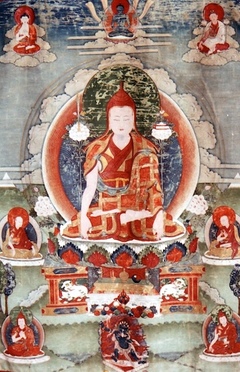
Ocean of Wish-Fulfilment
༄༅། །ཚོགས་མཆོད་ཀྱི་རིམ་པ་ཡིད་བཞིན་རྒྱ་མཚོ་བཞུགས་སོ། །
Ocean of Wish-Fulfilment: The Stages of Feast Offering
by Longchen Rabjam
ཚོགས་གཉིས་རྒྱ་མཚོའི་གླིང་ལས་རབ་འཁྲུངས་ཤིང༌། །
སྐུ་གསུམ་ཡིད་བཞིན་རིན་ཆེན་དཔལ་འབར་བ། །
རྣམ་བཞིའི་ཕྲིན་ལས་རང་བཞིན་ལྷུན་གྱིས་གྲུབ། །
རིགས་ལྔ་བདེ་བར་གཤེགས་ལ་ཕྱག་འཚལ་ལོ། །
Born from an island in the ocean of twofold accumulation,
The three-kāya wish-fulfilling jewel blazes with splendour.
Naturally and spontaneously it carries out fourfold activity.
To the sugatas of the five families, I pay homage.
གང་འདིར་རྒྱུད་དོན་ཉི་མའི་སྙིང་པོ་ལས། །
ཚོགས་ཀྱི་དགའ་བ་བླ་ན་མེད་གསུངས་པས། །
དེ་ཡི་ལག་ལེན་ཆོ་གའི་རིམ་པ་ནི། །
མདོར་བསྡུས་ཙམ་ཞིག་བདག་གིས་བསྟན་པར་བྱ། །
Here I shall set out in brief
The stages of the ritual practice
Of what the tantric text Essence of the Sun
Refers to as the unsurpassable joy of the feast.
དེ་ཡང་དབང་དང་གདམས་པ་ལ་སོགས་པའི་ཚེ་ཚོགས་ཀྱི་མཆོད་པ་ཇི་ལྟར་བྱ་བའི་རིམ་པ་ལ་གསུམ་སྟེ། ཚོགས་མཆོད་བཤམས་པ་དང༌། ཆོ་གའི་རིམ་པ། ཕན་ཡོན་བསྟན་པའོ། །
There are three parts to this explanation of how the feast offering is performed during the conferral of empowerment or instructions: (1) the arrangement of the feast offerings, (2) the stages of the practice, and (3) the benefits.
དང་པོ་ནི།
1. Arrangement of the Offerings
གནས་དེར་བྲིས་སྐུ་ལ་སོགས་པ་དམིགས་པའི་རྟེན་ཡོད་དམ། མེད་ཀྱང་རུང་སྟེ། རང་ཉིད་ལྷར་གསལ་བའི་ཕྱིར་རོ། །ཡོད་པ་ལྟར་ན་དེའི་མདུན་དུ་བཤམས་ནས། དམ་ཚིག་པ་བསྐྱེད་པ་དང༌། ཡེ་ཤེས་པ་གཞུག་པ་དང༌། དེ་ལ་མཆོད་པ་ལ་སོགས་པ་བྱ་ཞིང༌། མེད་ན་རང་གི་མདུན་ནམ་གཡས་ཕྱོགས་སུ། ཕྱིའི་མཆོད་པ་ལྔ་དང་ནང་གི་མཆོད་པ་སྨན་རག་དང་བདུད་རྩིས་བཀང་བའི་ཀ་པཱ་ལ་དང༌། བཟའ་བ་དང་བཏུང་བའི་བྱེ་བྲག་ཤ་ཆང་ལ་སོགས་པ་བཤམས་ལ། སུམ་བྷ་ནིས་བསངས། སྭ་བྷཱ་ཝས་སྦྱངས་ཏེ། སྟོང་པའི་ངང་ལས་ཨཱོཾ་ཨཱཿཧཱུྃ་གིས་བདུད་རྩིར་བྱིན་གྱིས་བརླབས་པ་ཙམ་སྔོན་དུ་སྐད་ཅིག་གིས་བྱའོ། །
You might have a support for visualization, such as a painted image, in the place of practice. It is also fine if you do not, because you will be visualizing yourself as the deity. If you do have an image, arrange the offerings before it. Visualize the samayasattva, then invite the jñānasattva to enter, and make the offerings and so on to that image. If you do not have such an image, place the offerings either in front of yourself or to your right. Arrange the five outer offerings, the inner offerings of medicinal nectar, rakta and a kapāla filled with nectar, as well as various types of food and drink, including meat and alcohol. Cleanse the offerings with the sumbhani mantra and purify them with the svabhāva mantra. Then consider that with oṃ āḥ hūm, they are instantly blessed and transformed into nectar out of the state of emptiness.
གཉིས་པ་ལ།
2. The Stages of Practice
སྦྱོར་དངོས་རྗེས་གསུམ་ལས།
There are three parts: (1) preparation, (2) main part, and (3) conclusion.
1. Preparation
དང་པོ་སྦྱོར་བ་ནི་ཐམས་ཅད་ཚོགས་ཏེ་གྲལ་ལ་འཁོད་པ་ལ་ལས་ཀྱི་སློབ་མས་ཕྱག་འཚལ་ཏེ།
For the preparation, everyone gathers and sits in rows. The ritual assistant then offers prostrations and says:
ཧོ། རྣལ་འབྱོར་གྱི་དབང་ཕྱུག་བླ་མ་རྡོ་རྗེ་འཛིན་པ་ཆེན་པོ་དཔའ་བོ་དང་རྣལ་འབྱོར་མའི་ཚོགས་དང་བཅས་པ་དགོངས་སུ་གསོལ་ལོ། །
ho, naljor gyi wangchuk lama dorjé dzinpa chenpo pawo dang naljormé tsok dang chepa gong su sol lo
Ho! Guru, lord of yoga, great vajra-holder, together with all you assemblies of vīras and yoginīs, turn your attention towards us!
སྦྱིན་པའི་བདག་པོས་གཙོ་བྱས་སེམས་ཅན་ཐམས་ཅད་ཀྱི་དོན་དུ། ཆོས་ཐམས་ཅད་ཡེ་ནས་སངས་རྒྱས་པའི་རང་བཞིན་ལྷུན་གྱིས་གྲུབ་པའི་དཀྱིལ་འཁོར་དུ་ཏིང་ངེ་འཛིན་ཟབ་མོས་གསལ་བཏབ་སྟེ།
jinpé dakpö tso jé semchen tamché kyi döndu chö tamché yené sangyé pé rangzhin lhün gyi drubpé kyilkhor du ting ngé dzin zab mö sal tab té
For the sake of all sentient beings, with our patrons foremost among them, please envisage all phenomena through your profound samādhi as the natural, spontaneous maṇḍala of primordial awakening.
བསམ་གྱིས་མི་ཁྱབ་པའི་རྣལ་འབྱོར་ལ་གནས་པར་ཞུ་འཚལ།
sam gyi mi khyabpé naljor la nepar zhu tsal
Please abide in the yoga of non-conceptuality.
ཞེས་བརྗོད་ནས་མེ་ཏོག་གཏོར་རོ། །དེ་ནས་བགེགས་གཏོར་བྱིན་ནས། སྐད་ཅིག་གིས་རྡོ་རྗེ་སེམས་དཔའ་བསྒོམས་ལ་ཡི་གེ་བརྒྱ་པ་བཟླའོ། །
Once this has been said, scatter flowers. Then, offer the torma to obstructors, instantaneously visualize yourself as Vajrasattva and recite the hundred-syllable mantra.
2. Main Part
གཉིས་པ་ལ་ལྔ་སྟེ། བདག་བསྐྱེད་པ། མཆོད་པ་འབུལ་བ། བསྟོད་པ་བྱ་བ། ཉམས་ཆག་བསྐང་བ། ཚོགས་ལ་རོལ་བའོ། །
This has five parts: (1) self-visualization, (2) making offerings, (3) offering praise, (4) restoring impairments and breakages, and (5) enjoying the feast.
དང་པོ་ནི།
1. Self-Visualization
བླ་མ་དང་དཀོན་མཆོག་ལ་སྐྱབས་སུ་འགྲོ་བར་བྱས་རྗེས།
Once you have taken refuge in the guru and Three Jewels, recite the following:
བདག་དང་མཐའ་ཡས་སེམས་ཅན་རྣམས། །
dak dang tayé semchen nam
I and other sentient beings, infinite in number,
ཡེ་ནས་སངས་རྒྱས་ཡིན་པ་ལ། །
yené sangye yinpa la
Have been buddhas from the very beginning.
རྟོག་པའི་དབང་གིས་འཁོར་བ་ལས། །
tokpé wang gi khorwa lé
Yet, due to thoughts, we remain in saṃsāra.
བྱང་ཆུབ་མཆོག་དུ་སེམས་བསྐྱེད་དོ། །
changchub chok du semkyé do
I thus generate the mind of supreme awakening.
ཞེས་བརྗོད་དོ། །ཆོས་ཉིད་ཡེ་ནས་སངས་རྒྱས་པ་ཡིན་ཡང་རྣམ་པར་རྟོགས་པས་འཁྲུལ་བའི་སེམས་ཅན་ཐམས་ཅད་སངས་རྒྱས་ཀྱི་ས་ལ་འགོད་པར་བྱ་སྙམ་དུ་སེམས་བསྐྱེད་ལ།
Generate bodhicitta by thinking: "I will lead all sentient beings, who have always been by nature buddhas but are deluded due to their conceptuality, to the level of buddhahood." Then recite:
བསམ་དུ་མེད་དེ་སེམས་ཉིད་ནམ་མཁའ་ཆེ། །
sam du mé dé semnyi namkha ché
Beyond imagining, the great sky of mind-as-such,
སེམས་ཉིད་ནམ་མཁའ་བསམ་པ་ཀུན་དང་བྲལ། །
semnyi namkha sampa kün dangdral
This sky-like nature of mind is beyond all thought.
བསམ་ཏུ་མེད་པའི་སེམས་ཉིད་ནམ་མཁའ་ནི། །
sam tu mepé semnyi namkha ni
Beyond imagining, the nature of mind is like the sky:
ནམ་མཁའ་མི་དམིགས་པ་ཡང་དམིགས་སུ་མེད། །
namkha mimik pa yang mik su mé
It is as unobservable as the sky that cannot be seen.
ཨཱོཾ་དྷརྨཱ་དྷཱ་ཏུ་ཛྙཱ་ན་བཛྲ་སྭ་བྷཱ་ཝ་ཨཱཏྨ་ཀ྅ཧཾ།
om dharma dhatu jñana benza sobhava atma ko ham
oṃ dharmadhātu jñāna vajra svabhāva ātmako 'haṃ
ཞེས་བརྗོད་པས་ཆོས་ཐམས་ཅད་རང་བཞིན་གྱི་རྫོགས་པ་ཆེན་པོ་སྤྲོས་པའི་མཐའ་ཐམས་ཅད་བྲལ་བའི་སྟོང་པ་ཉིད་དུ་བསམ་མོ། །
As you recite this, consider that all phenomena are by nature great perfection, emptiness beyond all forms of conceptual limitation.
སྟོང་པའི་ངང་ལས་ཧཱུཾ་བཅུ་བརྗོད་པས་སྟེང་འོག་ཕྱོགས་མཚམས་ཐམས་ཅད་ཡེ་ཤེས་ཀྱི་མེ་རི་མེ་དཔུང་དུ་འབར་བའི་ཀློང་ནས་སྟེང་འོག་ཕྱོགས་མཚམས་ཐམས་ཅད་རྡོ་རྗེའི་རྭ་བ་དྲ་བ་གུར་བླ་རེ་མཚོན་ཆའི་འཁོར་ལོ་དང་བཅས་པའི་དབུས་སུ། རང་ཉིད་དཔལ་ཆེན་པོར་ཝལ་གྱིས་བསྐྱེད་ལ་བགེགས་ལ་བཀའ་བསྒོ་བ་ནི།
As you recite "Hūṃ!" ten times from a state of emptiness, everywhere—above, below, and in the cardinal and intermediate directions—becomes an expanse of blazing wisdom fire with mountainous infernos and jets of flame. Everywhere within—above, below, and in the cardinal and intermediate directions—becomes vajra fences, nets, tents, canopies, and wheels of weaponry, in the centre of which you yourself appear clearly as the awesome deity, who issues commands to the obstructors:
ཨེ་མ་ང་ནི་རང་བྱུང་བ། །
ema nga ni rangjungwa
Ema! I am the self-originated one,
ཁྲོ་རྒྱལ་དཔལ་ཆེན་ཉིད་ཀྱི་སྐུ། །
trogyal palchen nyi kyi ku
The awesome king of wrath himself.
དངོས་གྲུབ་བར་ཆད་བྱེད་པའི་བགེགས། །
ngödrub barché jepé gek
Obstructors who block accomplishment,
འདི་རུ་མ་འདུག་གཞན་དུ་སོང༌། །
diru ma duk zhendu song
Do not remain here but go elsewhere.
ཅི་སྟེ་འགྲོ་བར་མི་བྱེད་ན། །
chité drowar mi jé na
If you do not depart this place,
མགོ་བོ་ཚལ་བ་བརྒྱར་འགས་ཤིང༌། །
gowo tsalwa gyar gé shing
Let your heads be split into a hundred pieces,
ལུས་ནི་དུམ་བུར་སྟོང་དུ་གཏུབས། །
lü ni dumbur tong du tub
Your bodies chopped into a thousand parts.
ཨཱོཾ་རུ་ལུ་རུ་ལུ་ཧཱུྃ་བྷྱོ་ཧཱུྃ། །
om rulu rulu hung jo hung
oṃ rulu rulu hūṃ bhyo hūṃ
ཞེས་པས་རྒྱ་མཚོའི་མཐར་ཕྱིའི་བགེགས་བསྐྲད་པའི་རྗེས་ལ།
With this, dispatch external obstructors to the far side of the ocean. Then purify internal obstructors into absolute space by reciting:
རྣམ་པར་རྟོག་པ་བགེགས་ཡིན་ཏེ། །
nampar tokpa gek yin té
Conceptual thought is an obstruction,
བགེགས་ནི་རང་གི་སེམས་ལས་བྱུང༌། །
gek ni rang gi sem lé jung
An obstruction born of one’s own mind.
ཡེ་ནས་སེམས་ཉིད་དག་ཅེ་ན། །
yené semnyi dak chena
Since mind itself has always been pure,
བགེགས་ཞེས་བྱ་བ་གཞན་ན་མེད། །
gek zhejawa zhen namé
There are no so-called 'obstructors' elsewhere.
བཛྲ་ཨཱདྨ་ཀོ྅་ཧཾ་གིས་ནང་གི་བགེགས་དབྱིངས་སུ་དག་ནས།
benza atma ko hang
vajra ātamako 'haṃ
Recite:
ཧཱུྃ་སྟེང་འོག་ཕྱོགས་མཚམས་ཡེ་ཤེས་མེ་དཔུང་འབར། །
hung, tengok choktsam yeshe mepung bar
Hūṃ. Wisdom fire blazes above, below, and in all directions.
རྡོ་རྗེའི་ར་བ་དྲ་བ་གུར་དང་ནི། །
dorjé rawa drawa gur dang ni
Vajra fences, nets, tents,
བླ་བྲེ་མཚོན་ཆའི་འཁོར་ལོས་ནམ་མཁའ་ཁྱབ། །
ladré tsönché khorlö namkha khyab
Canopies and weaponry wheels fill the whole of space.
ཁྲོ་བོ་ཁྲོ་མོ་དཔལ་ཆེན་རྔམས་པའི་ཚོགས། །
trowo tromo palchen ngampé tsok
The Awesome One’s hosts of wrathful male and female deities
སྤྲིན་ཕུང་འཁྲིགས་ཤིང་ཧཱུྃ་་སྒྲ་དི་རི་རི། །
trinpung trik shing hung dra di riri
Gather like billowing clouds, as the sound of hūṃ resounds.
ཧཱུྃ་ཧཱུྃ་ཧཱུྃ།
hung hung hung
hūṃ hūṃ hūṃ
ཞེས་བརྗོད་ནས། སྤྲོས་པ་ལ་དགའ་ན་ཏིང་ངེ་འཛིན་གསུམ་དང་ཞི་ཁྲོའི་དཀྱིལ་འཁོར་རྒྱས་པར་བསྒོམས་ལ། མི་དགའ་ན་དཀྱིལ་འཁོར་གྱི་མངའ་བདག་བསྒོམ་པར་བྱའོ། །
If you prefer more elaborate practice, meditate with the three samādhis on the full maṇḍalas of the peaceful and wrathful deities; if you do not, visualize only the sovereign of the maṇḍala.
དེའང་སྟོང་བའི་ངང་ལས་པདྨ་དང་ཉི་ཟླའི་དབུས་སུ་རང་ཉིད་གཞིའི་ཀུན་ཏུ་བཟང་པོ་ཡབ་ཡུམ་མཐིང་ག་ཞལ་གཅིག་ཕྱག་གཉིས་མཉམ་པར་སྦྱོར་བས། ཞབས་རྡོ་རྗེའི་སྐྱིལ་ཀྲུང་དང་ཕྱག་མཉམ་གཞག་ཏུ་མཛད་པའི་སྐུ་ལས་འོད་ཟེར་ཁ་དོག་ལྔའི་སྣང་བ་མཆེད་པས། ནམ་མཁའི་དབྱིངས་ཁྱབ་པའི་ནང་ན། བླ་མ་དང་ཡི་དམ་དཀྱིལ་འཁོར་གྱི་ལྷ་ཚོགས་བློས་འཁྱུད་ཚད་བསམས་ལ།
Then, out of emptiness, in the middle of a lotus and sun and moon discs you appear as the fundamental Samantabhadra, dark blue, with one face and two hands, and in union with the consort. His legs are crossed in vajra posture and his hands are in the gesture of equanimity. Rays of five-coloured light stream from his body to fill the whole of space, within which the hosts of gurus, yidams and deities of the maṇḍala extend for as far as the mind can reach. Recite:
ཧཱུྃ་གདོད་ནས་སྙིང་པོ་བྱང་ཆུབ་དང༌། །
hung döné nyingpo changchub dang
Hūṃ. From the maṇḍalas of the primordial essence of awakening
མི་དམིགས་ཐུགས་ཀྱི་དཀྱིལ་འཁོར་ལས། །
mimik tuk kyi kyilkhor lé
And the enlightened mind beyond conceptual focus,
དཀྱིལ་འཁོར་ཐམས་ཅད་སྤྱན་དྲང་ངོ༌། །
kyilkhor tamché chen drang ngo
I invoke all the maṇḍalas.
བདག་དང་དབྱེར་མེད་བརྟེན་པར་བཞུགས། །
dak dang yermé tenpar zhuk
Remain steadfast and inseparable from me.
ཛཿཧཱུྃ་བཾ་ཧོཿ བཛྲ་ས་མ་ཡ་སྟྭཾ།
dza hung bam ho benza samaya tom
jaḥ hūṃ baṃ hoḥ vajra samayastvāṃ
ཞེས་བརྗོད་པ་ཙམ་གྱིས་དབྱིངས་ནས། བླ་མ་ཡི་དམ་དཀྱིལ་འཁོར་གྱི་ལྷ་ཚོགས་ཐམས་ཅད་སྐད་ཅིག་གིས་བྱོན་ནས། བདག་དང་ནམ་མཁའི་དབྱིངས་སུ་བརྟེན་པར་བཞུགས་པར་བསམས་ལ།
Through simply reciting this, the gurus, yidams, and all the deities of the maṇḍala arrive in an instant. Consider that they remain firmly within me and within the expanse of space.
ཨཱོཾ་ཨཱཿཧཱུྃ་སྭཱ་ཧཱ།
om ah hung soha
oṃ āḥ hūṃ svāhā
ཞེས་ཅི་འགྲུབ་ཏུ་བཟླས་ཤིང༌། རྟེན་ཡོད་ནའང་གསལ་གདབ་པར་བྱའོ། །
Recite this as many times as possible. Visualize this even if you have a supporting image.
2. Making Offerings
གཉིས་པ་མཆོད་པ་འབུལ་བ་ལ་ལྔ་ལས།
This has five parts.
དང་པོ་ཕྱིའི་མཆོད་པ་ནི།
1. Outer Offerings
ཨཱོཾ་རིན་ཆེན་མེ་ཏོག་སྤོས་དང་མར་མེ་དྲི། །
om rinchen metok pö dang marmé dri
Oṃ. I imagine precious flowers, incense, lamps and scents,
ཞལ་ཟས་རོལ་མོའི་སྤྲིན་ཕུང་རྒྱ་ཆེ་བས། །
zhalzé rolmö trinpung gyachewé
Food and music all emanating forth in vast billowing clouds
ནམ་མཁའི་དབྱིངས་ཀུན་ཁྱབ་པར་བློས་སྤྲུལ་ཏེ། །
namkhé ying künkhyab par lö trul té
That proliferate and expand to fill the whole of space—
བླ་མ་ཡི་དམ་དཀྱིལ་འཁོར་ལྷ་ཚོགས་མཆོད། །
lama yidam kyilkhor lhatsok chö
All this I offer to the guru, yidams and maṇḍala deities.
ཨཱོཾ་བཛྲ་པུཥྤེ།། དྷཱུ་པེ། ཨཱ་ལོ་ཀེ། གྷནྡྷེ། ནཻ་ཝི་དྱ། ཤབྟ་ཨཱཿཧཱུྃ།
om benza pupé dhupé aloké ghandhé naiwidya shabta ah hung
oṃ vajra puṣpe dhūpe āloke gandhe naivedye śabda āḥ hūṃ
ཞེས་ཕྱག་རྒྱ་དང་བཅས་ཏེ་བདག་དང་རྟེན་གྱི་ལྷ་གཉིས་ཀ་ལ་མཆོད་དོ། །
Together with the appropriate mudrās, offer to the deities of both the self-visualization and the supporting image.
གཉིས་པ་ནང་གི་མཆོད་པ་ནི།
2. Inner Offerings
སྨན་རག་བདུད་རྩིས་བཀང་བའི་ཀ་པཱ་ལ་ནས་མཐེབ་སྲིན་གྱིས་འཐོར་ཞིང༌།
Use the thumb and ring finger to sprinkle drops of medicinal nectar and rakta from the kapāla filled with amṛta, and recite:
རིགས་ལྔ་སྐུ་ལྔ་ཡེ་ཤེས་བསྒྲུབ་པའི་རྫས། །
rik nga ku nga yeshe drubpé dzé
This nectar, an intoxicating blend of healing medicines and rakta—
ཛ་གད་སྨན་སྦྱར་རཀྟ་ཨ་མྲྀ་ཏ། །
dzagé men jar rakta amrita
Substances for accomplishing the wisdom of the five families and five kāyas,
སྐུ་གསུང་ཐུགས་ལ་གུས་པས་མཆོད་པ་འབུལ། །
ku sung tuk la güpé chöpa bul
I offer respectfully to the deities’ enlightened body, speech and mind.
མཆོག་དང་ཐུན་མོང་དངོས་གྲུབ་སྩལ་དུ་གསོལ། །
chok dang tünmong ngödrub tsal du sol
Grant me the attainments, ordinary and supreme, I pray.
སརྦ་པཉྩ་ཨ་མྲྀ་ཏ་ཧཱུྃ་ཧྲི་ཐ། །
sarva pentsa amrita hung hri ta
sarva pañca amṛta hūṃ hrīḥ tha
ཞེས་བརྗོད་དོ། །
གསུམ་པ་གསང་བའི་མཆོད་པ་ནི།
3. Secret Offerings
རྡོ་རྗེ་ཐལ་མོ་མཉམ་པར་སྦྱོར་བ་བསྐྱོད་ཅིང་ཡིད་ཀྱིས་ཕྱག་རྒྱ་དང་སྦྱོར་བའི་བདེ་བ་ལ་དམིགས་ཏེ།
Perform the vajra mudrā while mentally focusing on the bliss of union with the karma-mudrā, and recite:
ཨཱཿ ཐབས་དང་ཤེས་རབ་འདུ་འབྲལ་མེད་པའི་ངང༌། །
ah tab dang sherab dudral mepé ngang
Āḥ. Within the indivisible union of means and wisdom,
བདེ་ཆེན་ཡེ་ཤེས་ཡུམ་གྱི་བྷ་གའི་ཀློང༌། །
dechen yeshe yum gyi bhagé long
The bhaga expanse of the immensely blissful wisdom consort—
བྱང་ཆུབ་སྙིང་པོ་དགྱེས་མཉམ་མཆོད་པ་ཡིས། །
changchub nyingpo gyé nyam chöpa yi
With this offering of joyous equanimity, the essence of awakening,
རྒྱལ་བ་རྒྱ་མཚོའི་ཚོགས་རྣམས་མཉེས་གྱུར་ཅིག
gyalwa gyatsö tsok nam nyé gyur chik
May the oceanic hosts of victorious ones be delighted!
ཨ་ནུ་རཱ་ག་པཉྩ་ཧྲཱི་ཐ།
anu raga pentsa hri ta
anurāga pañca hrīḥ tha
ཞེས་བརྗོད་དེ།
བཞི་པ་བླ་ན་མེད་པའི་མཆོད་པ་ནི།
4. Unsurpassable Offerings
སེམས་ཉིད་ཀྱི་དོན་གསལ་བཏབ་ལ།
Clearly recall the nature of mind and recite:
ཧཱུྃ་ཆོས་རྣམས་རྣམ་དག་སེམས་ཉིད་ངང་དུ་གཅིག །
hung chö nam namdak semnyi ngang du chik
Hūṃ. Phenomena, utterly pure, are one in mind-as-such.
སེམས་ཀྱི་རང་བཞིན་ཡེ་ནས་རྫོགས་པ་ཆེ། །
sem kyi rangzhin yené dzogpa ché
The nature of mind is, and always has been, great perfection—
མ་སྐྱེས་བརྗོད་འདས་ནམ་མཁའ་ཡངས་པའི་ངང༌། །
makyé jö dé namkha yangpé ngang
Unborn, beyond description, an expansiveness that is like space.
མི་དམིགས་ཆོས་སྐུའི་དབྱིངས་སུ་ཨ་ལ་ལ། །
mimik chökü ying su a la la
In the realm of dharmakāya beyond conceptual focus—a la la!
ཞེས་བརྗོད་དོ། །
ལྔ་པ་གཏོར་མའི་མཆོད་པ་འདི།
5. Torma Offering
རཾ་ཡཾ་ཁཾ་གསུམ་གྱིས་མ་དག་པ་དང་འབགས་བཙོག་ཐམས་ཅད་སྲེག་སྦྱངས་གཏོར་ནས་ཨཱོཾ་ཨཱཿཧཱུྃ་གསུམ་གྱིས་ཁ་དོག་དང་རོ་བཅུད་ཕུན་སུམ་ཚོགས་པ་ནམ་མཁའ་དང་མཉམ་པར་བསམས་ཏེ། འཇིག་རྟེན་ལས་འདས་པ་དང་འཇིག་རྟེན་པ་ཐམས་ཅད་ལ་སོ་སོའི་སྔགས་ཀྱིས་འབུལ་བའམ།
Consider that with the threefold recitation of raṃ yaṃ khaṃ all impurity and defilement is burnt, washed and scattered, and with the threefold recitation of oṃ āḥ hūṃ the torma’s colour, flavour and nutrition become perfect and sky-like in extent. Then offer this to the transcendent and worldly deities by means of their own individual mantras, or recite:
ཨཱོཾ་ཨཱཿཧཱུྃ།
om ah hung
oṃ āḥ hūṃ
ཕྱོགས་བཅུ་དུས་བཞིའི་དཔལ་ལྡན་རྩ་བ་དང་བརྒྱུད་པར་བཅས་པའི་བླ་མ་དམ་པ་ཡི་དམ་དཀྱིལ་འཁོར་གྱི་ལྷ་ཚོགས།
chok chu dü zhi palden tsawa dang gyüpar chepé lama dampa yidam kyilkhor gyi lhatsok
Glorious root and lineage gurus throughout the ten directions and four times, deities of the yidam maṇḍalas,
མཁའ་འགྲོ་སྡེ་ལྔ་དམ་ཅན་རྒྱ་མཚོའི་ཚོགས་དང་བཅས་པ་འཇིག་རྟེན་དང་འཇིག་རྟེན་ལས་འདས་པ་ཐམས་ཅད་ཀྱི་ཞལ་དུ་བྷ་ལིང་ཏ་ཁ་ཁ་ཁཱ་ཧི་ཁཱ་ཧི།
khandro dé nga damchen gyatsö tsok dang chepa jikten dang jikten lé depa tamché kyi zhal du bhaling ta kha kha khahi khahi
Five classes of ḍākinīs, and oceanic hosts of oath-bound guardians—to you all, worldly and transcendent, I offer this torma. baliṃta kha kha khāhi khāhi.
ནད་དང་གདོན་དང་བར་དུ་གཅོད་པ་ཐམས་ཅད་ཞི་ནས་མཆོག་དང་ཐུན་མོང་གི་དངོས་གྲུབ་རྒྱ་ཆེན་པོ་སྩལ་དུ་གསོལ།
né dang dön dang bardu chöpa tamché zhi né chok dang tünmong gi ngödrub gyachenpo tsal du sol
Pacify all illness, harmful influences, and obstructing forces and grant us vast attainments, ordinary and supreme!
ཅེས་བརྗོད་པར་བྱའོ། །
གསུམ་པ་བསྟོད་པ་ནི།
3. Offering Praise
Recite:
ཧཱུྃ། ཆོས་དབྱིངས་ངང་ལས་སྒྱུ་མའི་སྐུར་བཞེངས་པ། །
hung chöying ngang lé gyumé kurzhengpa
Hūṃ. To those arisen in illusory forms out of the dharmadhātu,
དུས་གསུམ་བླ་མ་འགྲོ་མགོན་ཐུགས་རྗེའི་ལྷ། །
dü sum lama dro gön tukjé lha
To gurus of the three times, guardians of beings, compassionate deities,
ཞི་ཁྲོ་རབ་འབྱམས་ཡེ་ཤེས་མཁའ་འགྲོ་དང༌། །
zhitro rabjam yeshe khandro dang
To the peaceful and wrathful, infinite in number, wisdom ḍākinīs,
བཀའ་བཞིན་རྗེས་སུ་བསྒྲུབ་པའི་ལས་མཛད་པ། །
ka zhin jesu drubpé lé dzepa
And to those who carry out activity as they are commanded,
དམ་ཅན་རྒྱ་མཚོའི་ཚོགས་ལ་ཕྱག་འཚལ་བསྟོད། །
damchen gyatsö tsok la chaktsal tö
Oceanic hosts of oath-bound guardians, I offer homage and praise.
ཅེས་པ་ལ་སོགས་པ་བྱའོ། །
བཞི་པ་སྐོང་བཤགས་བྱ་བ་ནི།
4. Restoring Impairments and Breakages
ཉམས་ཆག་དྲན་པ་རྣམས་ལ་གནོང་འགྱོད་དང་བཅས་པས་ཐལ་མོ་སྦྱར་ཏེ།
Feeling remorse for the impairments and breakages that you can recall, join your palms together and recite:
བདག་ཅག་མ་རིག་འཁྲུལ་བའི་དབང་གྱུར་པས། །
dakchak marik trulwé wang gyurpé
Overwhelmed by ignorance and under delusion’s sway,
སྐུ་གསུང་ཐུགས་དང་རྩ་བ་ཡན་ལག་གི །
ku sung tuk dang tsawa yenlak gi
We have contravened and impaired our samaya commitments,
དམ་ལས་འགལ་ཞིང་ཉམས་པར་གྱུར་ཏོ་འཚལ། །
dam lé gal zhing nyampar gyur to tsal
The root and branch vows, and those of body, speech and mind.
རང་གནོང་འགྱོད་པའི་སེམས་ཀྱིས་མཐོལ་ལོ་བཤགས། །
rang nong gyöpé sem kyi tol lo shak
All this, with deep remorse, we openly admit and confess.
ཐོག་མེད་བག་ཆགས་འཁྲུལ་པའི་དབང་གྱུར་པས། །
tokmé bakchak trulpé wang gyurpé
Any impairments and breakages we have committed wittingly or unwittingly
ཚོར་དང་མ་ཚོར་ཉམས་ཆག་ཅི་མཆིས་པ། །
tsor dang ma tsor nyamchak chichi pa
Through our beginningless habits and delusion,
ཐུགས་རྗེ་ཆེན་པོའི་སྤྱན་སྔར་བཤགས་པར་བགྱི། །
tukjé chenpö chen ngar shakpar gyi
We now confess in the presence of the greatly compassionate.
ཚངས་པ་དོན་གྱི་དངོས་གྲུབ་སྩལ་དུ་གསོལ། །
tsangpa dön gyi ngödrub tsal du sol
Grant us, we pray, the siddhi of perfect absolution.
བསྙེན་སྒྲུབ་མ་ཚང་ཕུད་དང་གཙང་སྦྲ་ཉམས། །
nyendrub ma tsang pü dang tsangdra nyam
Not completing approach and accomplishment, spoiling the first portion,
དུས་སུ་མ་མཆོད་ལེ་ལོ་བསོག་འཇོག་བགྱིས། །
dü su ma chö lelo sok jok gyi
Failing to maintain cleanliness, not offering when required, being lazy, hoarding,
ལྟ་བ་མ་རྟོགས་སྒོམ་པ་མ་གསལ་ཞིང༌། །
tawa ma tok gompa ma sal zhing
Not realizing the view, and lacking clarity in our visualization—
སྤྱོད་པ་བག་མེད་བགྱིས་པ་མཐོལ་ལོ་བཤགས། །
chöpa bakmé gyipa tol lo shak
All such forms of careless conduct we openly admit and confess.
བླ་མ་མཆེད་ལྕམ་རྡོ་རྗེ་སྤུན་ལ་སྨད། །
lama checham dorjé pün la mé
Being disrespectful to the guru or to vajra brothers and sisters,
སྡིག་དང་ཉོན་མོངས་རང་གར་གྱུར་ཏོ་འཚལ། །
dik dang nyönmong rang gar gyur to tsal
Unremedied misdeeds and afflictions,
འཕྲལ་དང་ཡུན་གྱི་སྒྲིབ་པ་ཅི་མཆིས་པ། །
tral dang yün gyi dribpa chichi pa
Whatever might function as an immediate or lasting obscuration—
རང་གནོང་འགྱོད་པའི་སེམས་ཀྱིས་མཐོལ་ལོ་བཤགས། །
rang nong gyöpé sem kyi tol lo shak
All this, with deep remorse, we openly admit and confess.
ཚངས་པ་དོན་གྱི་དངོས་གྲུབ་སྩལ་དུ་གསོལ། །
tsangpa dön gyi ngödrub tsal du sol
Grant us, we pray, the siddhi of perfect absolution.
ཧོ་རང་བཞིན་ངང་ལ་ཉེས་པའི་སྐྱོན་མེད་པས། །
ho rangzhin ngang la nyepé kyön mepé
Ho! As there is no fault or failing within the natural state,
བཤགས་དང་བཤགས་པར་བྱ་བ་ཅུང་ཟད་མེད། །
shak dang shakpar jawa chungzé mé
There is no confession, nor the slightest error to be confessed.
ཀུན་རྫོབ་སྒྱུ་མ་ཙམ་དུ་བཤགས་ན་ཡང༌། །
kündzob gyuma tsam du shak na yang
Even if we offer confession as a mere illusory convention,
གཉིས་མེད་སེམས་ཀྱི་ངང་དུ་དག་གྱུར་ཅིག །
nyimé sem kyi ngang du dak gyur chik
Let us find purification in the experience of mind beyond duality.
གཉིས་སུ་བཟུང་བ་རང་བཞིན་ཉམས་པའི་རྒྱུ། །
nyi su zungwa rangzhin nyampé gyu
Perception of duality is cause for regressing from one’s nature.
གཉིས་མེད་དབྱིངས་སུ་ཡེ་ནས་ལྷུན་གྲུབ་པས། །
nyimé ying su yené lhündrubpé
Since everything has always been spontaneously present
ཐམས་ཅད་མཁའ་མཉམ་རྫོགས་པ་ཆེན་པོའི་ངང༌། །
tamché khanyam dzogpachenpö ngang
In the non-dual sphere, even and sky-like great perfection,
མ་སྐྱེས་རྣམ་པར་དག་པའི་ཆོས་ཉིད་དོ། །
makyé nampar dakpé chönyi do
It is the unborn, dharmatā reality that is utterly pure.
ཞེས་བརྗོད་དོ། །
དེ་ལྟར་དག་ནས་སོར་ཆུད་དུས་སྡོམ་པ་གཟུང་བ་ནི། ཐལ་མོ་སྦྱར་ཏེ།
Following such purification, to take vows of restoration fold your palms together and recite:
བླ་མ་རྡོ་རྗེ་འཛིན་པ་དང༌།
lama dorjé dzinpa dang
Guru Vajradhara,
རིགས་ལྔ་བདེ་བར་གཤེགས་པ་ནི། །
rik nga dewar shekpa ni
Sugatas of the five families,
ཐམས་ཅད་བདག་ལ་དགོངས་སུ་གསོལ། །
tamché dak la gong su sol
Turn your attention towards me.
དེང་ནས་བྱང་ཆུབ་སྙིང་པོའི་བར། །
deng né changchub nyingpö bar
From now until I reach the essence of awakening,
སངས་རྒྱས་ཆོས་དང་དགེ་འདུན་ཏེ། །
sangye chö dang gendün té
I take refuge in Buddha, Dharma and Saṅgha,
བླ་ན་མེད་པའི་དཀོན་མཆོག་གསུམ། །
lanamepé könchok sum
The unsurpassable Three Jewels,
བླ་མ་ལ་ཡང་སྐྱབས་སུ་མཆི། །
lama la yang kyab su chi
And likewise in the Guru.
སྡིག་པ་ཐམས་ཅད་སོ་སོར་བཤགས། །
dikpa tamché sosor shak
I confess all my various misdeeds.
དགེ་བ་ཀུན་ལ་རྗེས་ཡི་རང༌། །
gewa kün la jé yi rang
I rejoice in all that is virtuous.
བྱང་ཆུབ་སེམས་ནི་བསྐྱེད་པར་བགྱི། །
changchub sem ni kyepar gyi
I generate the mind of awakening.
རིགས་ལྔའི་དམ་ཚིག་ལེགས་བཟུང་སྟེ། །
rik ngé damtsik lek zung té
I adopt the samayas of the five families
རྡོ་རྗེ་དྲིལ་བུ་ལ་སོགས་པ། །
dorjé drilbu lasokpa
And take on the commitments of samaya objects,
དམ་ཚིག་རྫས་རྣམས་གཟུང་བར་བགྱི། །
damtsik dzé nam zungwar gyi
Such as the vajra and bell.
བླ་ན་མེད་པའི་དཀོན་མཆོག་གསུམ། །
lanamepé könchok sum
I will never forsake
ནམ་དུ་ཡང་ནི་མི་གཏོང་ཞིང༌། །
nam du yang ni mi tong zhing
The unsurpassable Three Jewels.
རྡོ་རྗེ་སློབ་དཔོན་མི་སྤང་ངོ༌། །
dorjé lobpön mi pang ngo
I will not abandon the Vajra Master.
རྡོ་རྗེ་སྤུན་སྲིང་རྣམས་ལ་ཡང༌། །
dorjé pün sing nam la yang
Nor shall I ever show disrespect
ནམ་ཡང་སྨད་པར་མི་བྱའོ། །
namyang mepar mi ja o
Towards my vajra brothers and sisters.
སེམས་ཅན་རྣམས་ལ་འཚེ་བ་སྤང༌། །
semchen nam la tsewa pang
I will avoid harming sentient beings.
འཕགས་པ་རྣམས་ལ་སྨད་མི་བགྱི། །
pakpa nam la mé mi gyi
I will not disrespect the noble ones.
ཐེག་པ་དམན་ལ་མི་བརྙས་ཤིང༌། །
tekpa men la mi nyé shing
I will not belittle the fundamental vehicle.
སྔགས་འཆང་སྤང་བར་མི་བྱའོ། །
ngakchang pangwar mi ja o
Nor will I abandon practitioners of mantra.
བསྙེན་སྒྲུབ་ལས་ཀྱི་མཐའ་གཟུང་ཞིང༌། །
nyendrub lé kyi ta zung zhing
I will complete approach, accomplishment and activity.
དཀྱིལ་འཁོར་འཁོར་ལོ་བསྒོམ་པར་བགྱི། །
kyilkhor khorlo gompar gyi
I will visualize the maṇḍala circle.
དམ་ཚིག་སྡོམ་པ་ལ་གནས་ཤིང༌། །
damtsik dompa la né shing
I will maintain views and commitments.
འཁྲུལ་པའི་བྱ་བ་མི་བགྱིད་དོ། །
trulpé jawa mi gyi do
I will avoid deluded action.
རང་གི་སེམས་ནི་ཡོངས་འདུལ་ཞིང༌། །
rang gi sem ni yong dul zhing
I will thoroughly discipline my own mind.
ཕྱོགས་མཐར་གཏུགས་པའི་སེམས་ཅན་གྱི། །
chok tar tukpé semchen gyi
I will accomplish the unsurpassable goal
དོན་ནི་བླ་མེད་བདག་གིས་བསྒྲུབ། །
dön ni lamé dak gi drub
Of beings everywhere throughout all directions.
མ་གྲོལ་བ་རྣམས་དགྲོལ་བ་དང༌། །
madrolwa nam drolwa dang
I will free the unfree.
མ་བསྒྲལ་བ་རྣམས་བསྒྲལ་བར་བགྱི། །
madralwa nam dralwar gyi
I will liberate the unliberated.
དབུགས་མ་ཕྱུང་རྣམས་དབུགས་དབྱུང་ཞིང༌། །
uk ma chung nam ukyung zhing
I will relieve the unrelieved.
སེམས་ཅན་མྱ་ངན་འདས་ལ་འགོད། །
semchen nya ngen dé la gö
I will establish beings in nirvāṇa.
ཅེས་པ་ལན་གསུམ་བརྗོད་དོ། །
Repeat these lines three times.
ལྔ་པ་ཚོགས་ལ་རོལ་བ་ནི།
5. Enjoying the Feast
དེ་ནས་ཚོགས་ཀྱི་ཡོ་བྱད་སྔར་མ་བཤམས་ན་འདིར་བཤམས་ལ། ལས་ཀྱི་སློབ་མས་ཕྱག་འཚལ་ཏེ།
If you did not arrange the articles for the feast earlier, arrange them now. The ritual attendant then prostrates and says:
ཧོ་དགོངས་སུ་གསོལ།
ho gong su sol
Ho. Turn your attention toward us.
སྣང་སྲིད་བདེ་བ་ཆེན་པོའི་དཀྱིལ་འཁོར་དུ། །
nangsi dewa chenpö kyilkhor du
That we may enjoy these offerings, adornments of sensory delight,
འདོད་ཡོན་རྒྱན་གྱི་མཆོད་པ་རོལ་པའི་ཕྱིར། །
döyön gyen gyi chöpa rolpé chir
In this maṇḍala of greatly blissful appearance and existence,
ཚོགས་ཀྱི་ཡོ་བྱད་བྱིན་གྱིས་རློབ་པར་ཞུ་འཚལ། །
tsok kyi yojé jin gyi lobpar zhu tsal
Please, we pray, bless the articles of the feast.
ཞེས་བརྗོད་དོ། །
དེ་ནས་བླ་མས་ནང་མཆོད་ནས་བདུད་རྩི་བླངས་ལ་མཐེབ་སྲིན་གྱིས་འཐོར་ཤིང༌།
The guru then takes some nectar from the inner offering and sprinkles it with his thumb and ring finger.
རཾ་ཡཾ་ཁཾ་གིས་མ་དག་པ་སྲེག་སྦྱངས་གཏོར་ནས།
ram yam kham gi madakpa sek jang tor né
With raṃ yaṃ khaṃ, impurities are burnt, washed away and scattered.
ཨ་ལས་ཐོད་པ་དུམ་བུ་གཅིག་པ་ཕྱི་དཀར་ལ་ནང་དམར་བའི་དབུས་སུ། ཡོ་བྱད་རྣམས་ཨཱོཾ་ཨཱཿཧཱུྃ་གིས་བདུད་རྩིར་བྱིན་གྱིས་བརླབས་པའི་ཁ་ཆོད་ཟླ་བ་དང་ཉི་མའི་དབུས་སུ་རྡོ་རྗེ་མཐིང་ཀ་རྩེ་ལྔ་པའི་ལྟེ་བར་ཡི་གེ་གསུམ་ལས་འོད་འཕྲོས་པས་ཕྱོགས་བཅུའི་སངས་རྒྱས་ཐམས་ཅད་ཀྱི་སྐུ་གསུང་ཐུགས་ཀྱི་བདུད་རྩིའི་རྒྱུན་བབས་པས་ཁེངས་ནས།
a lé töpa dumbu chikpa chi kar la nang marwé ü su yojé nam om ah hung gi dütsir jin gyi labpé khachö dawa dang nyimé ü su dorjé ting ka tsé ngapé tewar yigé sum lé ö tröpé chok chü sangye tamché kyi ku sung tuk kyi dütsi gyün babpé kheng né
From a there appears a single-piece skull-cup, white on the outside and red on the inside. In its centre, the substances of the feast are blessed and transformed into nectar through oṃ āḥ hūṃ. Upon its cover, in the middle of a sun and moon, is a blue five-pronged vajra. From the three syllables in the vajra’s hub light radiates out and causes a stream of nectar incorporating the enlightened body, speech and mind of all the buddhas of the ten directions to descend, filling the skull-cup.
ནམ་མཁའི་དབྱིངས་ལྟར་བསམ་གྱིས་མི་ཁྱབ་པར་འཕེལ་བར་བསམ་ལ།
namkhé ying tar sam gyi mi khyabpar pelwar sam la
The nectar expands on an unimaginable scale to become as vast as the sphere of space itself.
ཚོགས་ཕུད་སྣོད་གཅིག་ཏུ་བཅད་དེ་དཀྱིལ་འཁོར་གྱི་མདུན་དུ་འབུལ་ཞིང༌། ཡང་བཅད་ནས་གཏོར་མར་ཕུལ་ལ།
Place the first portion of the feast in a receptacle and offer it before the maṇḍala. Then take another portion and offer it to the torma, saying:
ཕྱོགས་བཅུ་དུས་བཞིའི་རྩ་བ་དང་བརྒྱུད་པར་བཅས་པའི་བླ་མ་དམ་པ།
chok chu dü zhi tsawa dang gyüpar chepé lama dampa
To the noble root and lineage gurus of the ten directions and four times,
རྒྱལ་བ་དགོངས་པས་བརྒྱུད་པ།
gyalwa gongpé gyüpa
All the figures of the mind-direct transmission of the victorious ones,
རིག་འཛིན་བརྡ་ཡིས་བརྒྱུད་པ།
rigdzin da yi gyüpa
The symbolic transmission of the vidyādharas,
གང་ཟག་སྙན་ཁུང་བརྒྱུད་པ་ཐམས་ཅད་དང༌།
gangzak nyenkhung gyüpa tamché dang
The aural transmission of individuals,
ཡི་དམ་དཀྱིལ་འཁོར་གྱི་ལྷ་ཚོགས།
yidam kyilkhor gyi lhatsok
And to the deities of the maṇḍalas of yidams,
མཁའ་འགྲོ་སྡེ་ལྔ།
khandro dé nga
To the ḍākinīs of the five families,
དམ་ཅན་རྒྱ་མཚོའི་ཚོགས་དང་བཅས་པ་འཁོར་བ་དང་མྱ་ངན་ལས་འདས་པའི་མགྲོན་ཐམས་ཅད་ཀྱི་ཞལ་དུ།
damchen gyatsö tsok dang chepa khorwa dang nya ngen lé depé drön tamché kyi zhal du
And to the oceanic hosts of oath-bound guardians—all the guests of saṃsāra and nirvāṇa—we offer.
གྷ་ན་ཙཀྲ་ཁཱ་ཧི།
ghana tsatra khahi
gaṇacakra khāhi
ཞེས་པས་འབུལ་ལོ། །
With this, present the offering.
རྒྱས་པར་འབུལ་ན་རྩ་བའི་བླ་མ་ནས་རིམ་པ་ལྟར་བརྗོད་ཅིང་སོ་སོའི་མཚན་དང་སྔགས་བརྗོད་ནས་དབུལ་ལོ། །
When doing this more elaborately, recite the individual names and mantras of all the recipients in sequence beginning with the root guru. Then present the offering.
དེ་ནས་ལས་ཀྱི་སློབ་མས་ཕྱག་འཚལ་བ་སྔོན་དུ་འགྲོ་བས། རྣམ་ལྔ་འདོད་ཡོན་བསྐོར་བའི་ཕྱག་རྒྱ་བྱ་ཞིང༌། བླ་མ་ལ།
Then the ritual attendant prostrates, displays the mudrās of the five sensory pleasures, and says to the guru:
དཔའ་བོ་ཆེན་པོ་དགོངས་སུ་གསོལ།
pawo chenpo gong su sol
Great hero, turn your attention toward us.
ཞེས་པ་སྔོན་དུ་བཏང་ཞིང་གཞན་ལ་དེ་མི་བརྗོད་པར།
This is not said to anyone else. Then:
འདི་ནི་ཆོས་རྣམས་བཟང་པོས་ལྟོས། །
di ni chö nam zangpö tö
Behold all phenomena as excellent!
འདུས་པ་རྣམས་ལ་ཐེ་ཚོམ་མེད། །
düpa nam la tetsom mé
Have no doubts regarding all that is gathered.
བྲམ་ཟེ་ཁྱི་དང་གདོལ་པ་ཕག །
dramzé khyi dang dolpa pak
Considering brahmins, dogs, untouchables and pigs
རང་བཞིན་གཅིག་ཏུ་དགོངས་རེ་རོལ། །
rangzhin chik tu gong ré rol
As equal in nature, enjoy!
ཞེས་པའི་ལན་དུ། ལེན་པ་པོས་ཀྱང་ཕྱག་རྒྱ་དེ་ཉིད་ཀྱིས། །
In response, the recipients makes the same mudrā and say:
བདེ་བར་གཤེགས་པ་ཆོས་ཀྱི་སྐུ། །
dewar shekpa chö kyi ku
The bliss-gone, the dharmakāya,
འདོད་ཆགས་ལ་སོགས་དྲི་མ་སྤང༌། །
döchak lasok drima pang
Has abandoned all faults such as desire.
གཟུང་འཛིན་རྣམ་པར་བྲལ་བ་ཡི། །
zungdzin nampar dralwa yi
To this reality that is utterly free
དེ་བཞིན་ཉིད་ལ་བདག་ཕྱག་འཚལ། །
dezhin nyi la dak chaktsal
From dualistic grasping, I pay homage.
ཨ་ལ་ལ་ཧོ། །
a la la ho
a la la ho!
ཞེས་པས་བླངས་ཏེ། ལག་སོར་གཡས་དཔའ་བོ་ལྔ། གཡོན་དཔའ་མོ་ལྔར་བསམས་ལ། ཕུད་ཀྱིས་བླ་མ་ཡི་དམ་མཆོད་ནས། ལུས་ཀྱི་ནང་ཐམས་ཅད་ཞི་ཁྲོའི་དཀྱིལ་འཁོར་རྒྱས་པའམ། སྤྱི་བོར་བླ་མ། མགྲིན་པར་ཡི་དམ། སྙིང་གར་མཁའ་འགྲོ་བསམ་གྱིས་མི་ཁྱབ་པར་བསམས་པ་ལ་མཆོད་པའི་ཚུལ་གྱིས་ཟས་ལ་ཚིམ་པར་རོལ་ལོ། །
With this, the feast is accepted. Consider the fingers of the right hand as the five heroes (vīra) and those of the left hand as the five heroines (vīrā), and make an offering of the first portion to the guru and yidam. Consider that the whole interior of your body is the vast maṇḍala of peaceful and wrathful deities, or that the guru is located at your head, the yidam at your throat, and the ḍākinī at your heart, and enjoy the food as an offering.
དེའི་དུས་སུ་ཟས་ལ་སྨོད་པ་དང་ཤགས་དང༌། ཀུ་ཅོ་དང༌། རྩོད་པ་ལ་སོགས་པ་ཆོས་དང་མི་མཐུན་པའི་རྣམ་པ་ཐམས་ཅད་སྤངས་ལ། ཕྱི་སྣང་བ་ཐམས་ཅད་དག་པའི་ཞིང༌། ནང་སེམས་ཅན་ཐམས་ཅད་ཡེ་ཤེས་ཀྱི་ལྷ་རང་ལུས་དཀྱིལ་འཁོར་གྱི་ངོ་བོར་ཤེས་པས་འདོད་ཡོན་ལ་ལོངས་སྤྱོད་དོ། །
At that time, avoid all forms of behaviour that are incompatible with the Dharma, such as criticizing or playing with the food, being rowdy or bickering. Instead, recognize the outer environment as a pure realm, the beings within it as wisdom deities, and your own body as a maṇḍala, while you enjoy the sensory delights of the feast.
དོན་གསུམ་པ་རྗེས་ནི།
3. Conclusion
ལོ་རྒྱུས་ཀྱིས་བརྡ་སྦྱར་བའི་འོག་ཏུ་ལས་ཀྱི་སློབ་མས་ཕྱག་འཚལ་ཏེ།
Once the history has been recounted, the ritual attendant offers prostration and says:
ཧོ་དགོངས་སུ་གསོལ།
ho gong su sol
Ho! Turn your attention toward us!
མངའ་དབང་རྫོགས་པའི་དཀྱིལ་འཁོར་དུ་ཀུན་ཏུ་བཟང་པོའི་ཚོགས་མཆོད་རྒྱ་མཚོས་ཉེ་བར་མཆོད་ཟིན་པ་ལས། སླར་ཡང་དགོངས་སྤྱོད་རྒྱ་མཚོས་རྡོ་རྗེའི་གླུ་དང༌། ལྷག་མའི་གཏོར་མ་བསྔོ་བ། སྨོན་ལམ་བཀྲ་ཤིས་ཀྱི་ཚིགས་སུ་བཅད་པ་ལ་སོགས་པའི་བཀའ་གནང་བར་ཞུ་འཚལ།
ngawang dzokpé kyilkhor du kuntuzangpö tsokchö gyatsö nyewar chö zinpa lé lar yang gong chö gyatsö dorjé lu dang lhakmé torma ngowa mönlam tashi kyi tsik su chepa lasokpé ka nangwar zhu tsal
Within this maṇḍala of perfect power we have presented a vast oceanic feast, just like Samantabhadra’s offerings. Now with your ocean-like conduct and realization, grant permission for us to sing vajra songs, dedicate the remainder torma, recite verses of aspiration and auspiciousness and the like.
ཞེས་བརྗོད་ནས་ལྷག་མའི་གཏོར་མ་བཅད་ལ་རོལ་མོའི་སྒྲ་དང་བཅས་པས།
zhé jö né lhakmé torma ché la rolmö dra dang chepé
Once this has been said, cut the remainder torma and recite the following, accompanied by the sound of music:
དབང་ཕྱུག་མ་ཉི་ཤུ་རྩ་བརྒྱད་ལང་ཀ་མགྲིན་བཅུའི་ཚོགས་དང་བཅས་པ་ཐམས་ཅད་ལ་འབུལ་ལོ། །
wangchukma nyishu tsa gyé langka drin chü tsok dang chepa tamché la bul lo
We present this to the twenty-eight īśvarīs, Rāvaṇa of Laṅka, and the rest.
རྣལ་འབྱོར་པ་བདག་ཅག་འཁོར་དང་བཅས་པའི་ལས་བཞིའི་ཕྲིན་ལས་ཐོགས་པ་མེད་པར་འགྲུབ་པར་མཛོད་ཅིག །
naljorpa dakchak khor dang chepé lé zhi trinlé tokpa mepar drubpar dzö chik
Let us yogis and those around us accomplish the four types of activity without obstacle!
ཅེས་བརྗོད་ནས།
Recite this and then say:
མ་འབྱོར་པ་དང་ཉམས་པ་དང༌། །
majorpa dang nyampa dang
For anything lacking or incomplete,
གཙོ་བོའི་ནུས་པ་མ་མཆིས་པས། །
tsowö nüpa machipé
For any mistakes I made or had others make
འདིར་ནི་བགྱི་བ་གང་བགྱིས་པ། །
dir ni gyiwa gang gyipa
Due to my ignorance and confusion,
དེ་ཀུན་མགོན་པོས་བཟོད་པར་མཛོད། །
dé kün gönpö zöpar dzö
Protectors, please forgive them all!
Make amends with the hundred-syllable mantra:
ཨཱོཾ་བཛྲ་སཏྭ་ས་མ་ཡ་མ་ནུ་པཱ་ལ་ཡ། བཛྲ་སཏྭ་ཏྭེ་ནོ་པ་ཏིཥྛ། དྲྀ་ཌྷོ་མ་བྷ་བ། སུ་ཏོ་ཥྱོ་མེ་བྷ་ང༌། སུ་པོ་ཥྱོ་མེ་བྷ་བ། ཨུ་ནུ་རཀྟོ་མེ་བྷ་བ། སརྦ་སིདྡྷི་མྨེ་པྲ་ཡཙྪ། སརྦ་ཀརྨ་སུ་ཙ་མེ་ཙིཏྟཾ་ཤྲི་ཡཿཀུ་རུ་ཧཱུཾ། ཧ་ཧ་ཧ་ཧ་ཧོ། བྷ་ག་ཝཱཾ་སརྦ་ཏ་ཐཱ་ག་ཏ་བཛྲ་མ་མེ་མུཉྩ། བཛྲཱི་བྷ་བ། མ་ཧཱ་ས་མ་ཡ་ས་ཏྭ་ཨ།
om benza sato samaya | manupalaya | benza sato tenopa tishta dridho mé bhava | sutokhayo mé bhava | supokhayo mé bhava | anurakto mé bhava | sarva siddhi mé prayaccha | sarva karma su tsa mé | tsittam shreyang | kuru hung | ha ha ha ha ho | bhagavan | sarva tatagata benza ma mé muntsa benzi bhava maha samaya sato ah
oṃ vajrasattva samayam anupālaya vajrasattva-tvenopa-tiṣṭha dṛḍho me bhava sutoṣyo me bhava supoṣyo me bhava anurakto me bhava sarva-siddhiṃ me prayaccha sarva-karma śuca me cittaṃ śreyaṅ-kuru hūṃ ha ha ha ha hoḥ bhagavān sarva-tathāgata-vajra mā me muñca vajrī-bhava mahā-samaya-sattva āḥ
ཞེས་ཡི་གེ་བརྒྱ་པས་ཁ་བསྐངས་ལ།
བསྔོ་བ་བྱ་བ་ནི། ཐལ་མོ་སྦྱར་ལ།
For the dedication, press your palms together and recite:
བླ་མ་དང་ཡི་དམ་དཀྱིལ་འཁོར་གྱི་ལྷ་ཚོགས་ཐམས་ཅད་བདག་ལ་དགོངས་སུ་གསོལ།
lama dang yidam kyilkhor gyi lhatsok tamché dak la gong su sol
Guru and all you hosts of deities of the yidam maṇḍala, turn your attention toward us!
ཧེ་རུ་ཀ་དཔལ་གྲོང་ཁྱེར་དུ། །
heruka pal drongkhyer du
By making this feast offering
ཚོགས་ཀྱི་འཁོར་ལོས་མཆོད་པ་ཡིས། །
tsok kyi khorlö chöpa yi
To the city of Glorious Herukas,
བདག་དང་འགྲོ་བ་མ་ལུས་པ། །
dak dang drowa malüpa
May I and others, every single sentient being,
དཀྱིལ་འཁོར་གཅིག་ཏུ་འགྲུབ་པར་ཤོག །
kyilkhor chik tu drubpar shok
Attain realization within the same maṇḍala!
ལས་བཞིའི་ཕྲིན་ལས་ཐོགས་པ་མེད་པས་རང་དང་གཞན་གྱི་དོན་གཉིས་ལྷུན་གྱིས་གྲུབ་ཅིང༌།
lé zhi trinlé tokpa mepé rang dang zhen gyi dön nyi lhün gyi drub ching
May our own and others’ aims be spontaneously accomplished through the unobstructed activity of the four types
མཆོག་དང་ཐུན་མོང་གི་དངོས་གྲུབ་ཆེན་པོ་འགྲུབ་པར་གྱུར་ཅིག
chok dang tünmong gi ngödrub chenpo drubpar gyur chik
And may we secure great accomplishments, common and supreme!
ཅེས་བརྗོད་ནས།
Then:
ཨཱོཾ་ཁྱེད་ཀྱིས་སེམས་ཅན་དོན་ཀུན་མཛད། །
om khyé kyi semchen dön kün dzé
Oṃ. As you bring about the welfare of beings,
རྗེས་སུ་མཐུན་པའི་དངོས་གྲུབ་སྩོལ། །
jesu tünpé ngödrub tsol
Grant us attainments that we might do the same.
སངས་རྒྱས་ཡུལ་དུ་གཤེགས་ནས་ཀྱང༌། །
sangye yul du shek né kyang
Even though you now return to your buddha realm,
སླར་ཡང་འབྱོན་པར་མཛད་དུ་གསོལ། །
lar yang jönpar dzé du sol
Please come again in the future, I pray!
བཛྲ་མུཿ
benza muh
vajra muḥ
ཞེས་པས་ཡེ་ཤེས་པའི་ཚོགས་གཏོར་མའི་མགྲོན་དང་བཅས་པ་གཤེགས་ལ། ཚོམ་བུ་ལ་བསྐྱེད་པ་ཡིན་ན་དམ་ཚིག་པ་རང་ལ་བསྡུ། རས་བྲིས་ལ་སོགས་པ་ཡིན་ན་གཤེགས་བསྡུ་མི་བྱ་སྟེ། རབ་གནས་ཀྱི་མཆོག་ཏུ་གསུངས་པའི་ཕྱིར་རོ། །
The wisdom deities, together with the guests for the torma offering, all depart. If you have visualized them as a gathering they dissolve into you as the samayasattva. If you have an image such as a painted cloth, do not request the deities to depart, because this is said to be the supreme form of consecration.
དེ་ནས་ལྟ་སྒོམ་སྤྱོད་འབྲས་ལ་སོགས་བོགས་དབྱུང་བའི་ཕྱིར་སྐབས་སུ་ཉེ་བར་མཁོ་བ་རྡོ་རྗེའི་གླུ་བླངས་ནས་མེ་ཏོག་བཀྲམ་ལ། ས་གཞི་དང་བར་སྣང་ཐམས་ཅད་བླ་མ་ཡི་དམ་དཀྱིལ་འཁོར་གྱི་ལྷ་ཚོགས་དམ་ཅན་རྒྱ་མཚོ་སྤྲིན་ཕུང་འཁྲིགས་པས། མེ་ཏོག་གི་ཆར་འབེབས་ཤིང་ཤིས་པ་བརྗོད་པར་བསམས་ལ་མགྲིན་གཅིག་ཏུ།
Then, to enhance view, meditation, conduct and fruition, it is important that on occasion you chant vajra songs, scatter flowers, and consider that the gurus, hosts of deities of the yidam maṇḍala and oceans of oath-bound protectors amass like billowing clouds, bringing a rain of flowers and uttering auspicious verses. Then, sing the following in unison:
བཀྲ་ཤིས་གང་ཞིག་དབྱིངས་ལས་མི་གཡོ་ལྷུན་གྱིས་གྲུབ། །
tashi gangzhik ying lé mi yo lhün gyi drub
This auspiciousness is spontaneous, not wavering from basic space,
སྐུ་དང་ཡེ་ཤེས་འདུ་འབྲལ་གཉིས་མེད་རྫོགས་སངས་རྒྱས། །
ku dang yeshe dudral nyimé dzoksang gyé
Perfect buddha, in whom kāyas and wisdoms are inseparable, non-dual,
གདོད་མའི་མགོན་པོ་འཁོར་འདས་ཀུན་གྱི་དཔལ་གྱུར་པ། །
dömé gönpo khordé kün gyi pal gyurpa
Primordial protector, who is most splendid in all saṃsāra and nirvāṇa,
ཀུན་ཏུ་བཟང་པོ་རིགས་ལྔའི་རྒྱལ་བ་རྒྱ་མཚོར་བཅས། །
kuntuzangpo rik ngé gyalwa gyatsor ché
Samantabhadra together with all the oceanic victors of the five families—
མ་ལུས་ཡོངས་གང་བཀྲ་ཤིས་དེས་ཀྱང་བདེ་ལེགས་ཤོག །
malü yong gang tashi dé kyang delek shok
Through such auspiciousness, may happiness and excellence abound!
འོད་གསལ་སྙིང་པོ་སྤྲོས་ཀུན་ཉེར་ཞི་མཆོག་གི་ལམ། །
ösal nyingpo trö kün nyerzhi chok gi lam
Supreme path, the luminous essence that pacifies conceptual elaboration,
རྣམ་པར་དཀར་ལ་སོ་སོར་མ་འདྲེས་དྲི་མ་བྲལ། །
nampar kar la sosor ma dré drima dral
Pristine and immaculate, with all its features distinct and unconfused,
སོ་སོ་རང་རིག་ཡེ་ཤེས་སྤྱོད་ཡུལ་རྒྱ་ཆེ་བ། །
soso rangrig yeshe chöyul gyachewa
The vast domain of the primordial wisdom that is realized individually—
དམ་ཆོས་ཉི་མའི་བཀྲ་ཤིས་དེས་ཀྱང་བདེ་ལེགས་ཤོག །
damchö nyimé tashi dé kyang delek shok
Through the auspiciousness of the sacred Dharma sun, may happiness and excellence abound!
རྣམ་གྲོལ་ཡིད་བཞིན་མཛོད་མངའ་འགྲོ་བའི་བསོད་ནམས་ཞིང༌། །
namdrol yizhin dzö nga drowé sönam zhing
Possessors of freedom’s wish-fulfilling treasure, field of merit for beings,
འཕགས་པའི་དགེ་འདུན་རིག་འཛིན་དམ་ཅན་རྒྱ་མཚོར་བཅས། །
pakpé gendün rigdzin damchen gyatsor ché
The ārya saṅgha, vidyādharas and the ocean of oath-bound guardians,
འཇིག་རྟེན་ལས་གྲུབ་མཁའ་འགྲོ་འབར་བའི་སྤྲིན་འཕྲོ་བ། །
jikten lé drub khandro barwé trin trowa
Those who carry out worldly tasks, ḍākinīs emanating in incandescent clouds,
དངོས་གྲུབ་མཆོག་སྩོལ་བཀྲ་ཤིས་དེས་ཀྱང་བདེ་ལེགས་ཤོག །
ngödrub chok tsol tashi dé kyang delek shok
Grant supreme siddhis! Through such auspiciousness, may happiness and excellence abound!
ཅེས་པ་ལ་སོགས་པ་བརྗོད་པའི་མཚམས་སུ། མེ་ཏོག་གི་ཆར་དབབ་ཅིང་རོལ་མོའི་སྒྲ་དང་བཅས་པ་བྱའོ། །
As you recite these and other such verses to the sound of music, let fall a rain of flowers.
དེ་ནས་ཨཱོཾ་ཨཱཿཧཱུྃ་གིས་བསྲུངས་ནས་ལས་ཀྱི་རྗེས་བསྡུས་ལ། ཆོས་ཐམས་ཅད་རོ་མཉམ་རྫོགས་པ་ཆེན་པོའི་ངང་ལས་མི་གཡོ་བར་བྱའོ། །
Then, secure protection through oṃ āḥ hūṃ and conclude the practice without wavering from the state in which all phenomena are equal in taste as the great perfection.
དོན་གསུམ་པ་ཕན་ཡོན་བསྟན་པ་ནི།
3. Benefits
བསོད་ནམས་དང་ཡེ་ཤེས་ཀྱི་ཚོགས་རྫོགས་པ་དང༌། དམ་ཚིག་ཉམས་ཆགས་ཐམས་ཅད་བསྐང་བ་དང༌། དཔའ་བོ་དང་མཁའ་འགྲོ་འདུ་བ་དང༌། བླ་མ་དང་དཀྱིལ་འཁོར་གྱི་ལྷ་ཚོགས་མཉེས་པ་དང༌། དམ་ཅན་རྒྱ་མཚོའི་ཚོགས་ཀྱིས་བསྲུང་བ་དང༌། འདིར་ཡང་ཚེ་རིང་བ་དང༌། ནད་མེད་པ་དང༌། གྲགས་པ་དང་ལྡན་པ་དང༌། འཁོར་དང་ལོངས་སྤྱོད་ཀྱི་འདུ་བ་རྒྱས་པ་དང༌། ཅི་བསམ་པ་ཐམས་ཅད་ཡིད་བཞིན་དུ་འགྲུབ་པ་དང༌། ཕྱི་མར་བླ་ན་མེད་པའི་བྱང་ཆུབ་ཐོབ་པ་ལ་སོགས་པ་མཆོག་དང་ཐུན་མོང་གི་དངོས་གྲུབ་ཐམས་ཅད་འཐོབ་པར་བྱེད་པའོ། །
Through this practice, you will complete the accumulations of merit and wisdom, repair all impairments and breakages of samaya, attract vīras and ḍākinīs, delight the guru and the hosts of maṇḍala deities, and gain the protection of the oceanic hosts of oath-bound guardians. Even in this very lifetime, you will live long, enjoy good health and renown, increase your circle of companions and expand your resources, and accomplish all your wishes. In future, you will attain unsurpassable awakening. You will thus gain all the supreme and common accomplishments.
དེ་ལྟར་ཚོགས་ཀྱི་མཆོད་པའི་རིམ་པ་ཞིག །
མདོ་ཙམ་བརྗོད་ལས་བསོད་ནམས་གང་ཐོབ་པ། །
དེ་ཡིས་འགྲོ་ཀུན་ཚོགས་ཆེན་གཉིས་རྫོགས་ཏེ། །
རྒྱལ་བའི་གོ་འཕང་མྱུར་དུ་ཐོབ་པར་ཤོག །
Through whatever merit I have gained through this brief explanation
Of the stages of the feast offering,
May all beings complete the two vast accumulations
And swiftly attain the level of a victor.
དེང་སང་འགྲོ་བ་ཚིག་ཉུང་དོན་འདུས་པའི། །
ཚུལ་ལ་མོས་ཕྱིར་ཉུང་འདུས་མན་ངག་འདི། །
གངས་རི་ཐོད་དཀར་མགུལ་དུ་བཀོད་པ་ཡིས། །
སྐལ་ལྡན་སྐྱེ་བོའི་ཚོགས་རྣམས་དགའ་བར་མཛོད། །
Since people these days are drawn to concise synopses,
I have composed this instruction as a summary
On the slopes of Gangri Tökar.
Let it bring delight to the fortunate!
ཚོགས་མཆོད་ཀྱི་རིམ་པ་ཡིད་བཞིན་རྒྱ་མཚོ་ཞེས་བྱ་བ། ཐེག་པ་མཆོག་གི་རྣལ་འབྱོར་པ་ཀློང་ཆེན་རབ་འབྱམས་ཀྱིས་བཀོད་པ་རེ་ཞིག་རྫོགས་སོ།། །།དགེའོ། ། དགེའོ། །དགེའོ།། །།
This concludes The Ocean of Wish-Fulfilment: Stages of Feast Offering, composed by Longchen Rabjam, a yogin of the supreme vehicle. May it prove virtuous! Virtuous! Virtuous!
| Translated by Adam Pearcey with the generous support of the Tsadra Foundation, 2026
Sources
klong chen rab 'byams pa dri med 'od zer. "tshogs mchod kyi rim pa yid bzhin rgya mtsho" In snying thig ya bzhi. 13 vols. Delhi: Sherab Gyaltsen Lama, 1975. Vol. 1: 297–313 (8.5 folios)
klong chen rab 'byams pa dri med 'od zer. “tshogs mchod kyi rim pa yid bzhin rgya mtsho.” In ʼjam mgon kong sprul blo gros mthaʼ yas (ed.). gdams ngag mdzod. Delhi: Shechen Publications, 1999. Vol. 2: 103–113
Version: 1.0-20260618