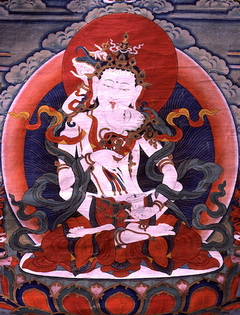
Minling Dorsem Empowerment Manual
༄༅། །རྡོར་སེམས་ཐུགས་ཀྱི་སྒྲུབ་པའི་སློབ་མ་རྗེས་འཛིན་གྱི་ཆོ་ག་བཀླག་ཆོག་ཏུ་བཀོད་པ་ཕྲིན་ལས་རབ་རྒྱས་ཞེས་བྱ་བ་བཞུགས་སོ། །
Flourishing Activity
A Liturgy for Initiating Disciples into the Heart Practice of Vajrasattva (Minling Dorsem)
by Jamgön Kongtrul Lodrö Tayé
ན་མོ་གུ་རུ་སརྦ་ཀུ་ལ་པ་ཏ་ཡེ།
Namo guru sarva kulapataye!
རྡོ་རྗེ་མི་ཕྱེད་གསུམ་གྱི་བདག །
སེམས་དཔའ་སྲིད་གསུམ་གཅིག་པུ་པ། །
རིགས་ཀུན་ཁྱབ་བདག་དེར་བཏུད་ནས། །
དབང་བསྐུར་མཚམས་སྦྱོར་བཅས་པ་བྲི། །
Embodiment of the three indivisible vajras,
Sovereign sattva of saṃsāra’s three planes,
Pervasive lord of all buddha families—bowing to you,
I will compose this guide for conferring empowerment.
དཀྱིལ་འཁོར་རབ་འབྱམས་ཁྱབ་བདག་གཅིག་འདིར་འདུ། །
དེ་སྒྲུབ་བཀའ་གཏེར་ཟབ་དགུའི་སྙིང་པོའང་འདི། །
གཞན་མཆོག་འཕགས་བོད་ཀུན་ཏུ་བཙལ་མེད་པའི། །
རྒྱུ་མཚན་ཤེས་པས་གུས་པས་བླང་བར་བྱོས། །
The pervasive sovereign of infinite maṇḍalas is contained herein—
This is the quintessence of the myriad profound teachings of kama and terma for accomplishing him.
There is no greater practice to be found in all of India or Tibet.
Knowing this, take up this practice with devotion and reverence.
གང་ཞིག་མཚན་ཉིད་དང་ལྡན་པའི་སློབ་དཔོན་གྱིས་སྣོད་ལྡན་སྐལ་པ་བཟང་པོའི་འགྲོ་བ་དཀྱིལ་འཁོར་འདིར་གཞུག་པར་འདོད་ན། གཞུང་ལས།
If a qualified master wishes to initiate a worthy and fortunate disciple into this maṇḍala, then, as the root treasure text states:
གང་ཞིག་རྡོ་རྗེའི་གསང་བ་འདིར༔
སྨིན་འདོད་བྱིན་རླབས་རིམ་པ་བྱ༔
Those who wish to bring beings to maturity in this secret vajra
Should confer the blessings step by step.
ཞེས་པ་ལྟར་སྒྲུབ་པ་ལ་གསུམ། སྔོན་དུ་བྱ་བའི་རིམ་པ། དངོས་གཞི་བྱིན་རླབས་དབང་བསྐུར། རྗེས་མཐའ་རྒྱས་སུ་བྱ་བའི་ཚུལ་ལོ། །
Accordingly, this has three parts: (1) the preliminary stages, (2) the main part: conferring the blessings and empowerment, and (3) the conclusion.
དང་པོ་ནི།
1. The Preliminary Stages
དཀྱིལ་འཁོར་དང་དབང་རྫས་བཀོད་པའི་ཚུལ་ཕྲིན་ལས་རྣམ་གྲོལ་ལམ་བཟང་དུ་གསལ་བ་ལྟར་ལས། རྡུལ་ཚོན་མི་འགྲུབ་ན་ས་སློང་དང་དེའི་བྱིན་རླབས་དོར་ལ་རས་བྲིས་བཀྲམ་པའམ་མཎྜལ་ལ་འབྲུ་དཀར་གྱི་ཚོམ་བུ་བཀོད་པས་ཀྱང་རུང་།
How to arrange the maṇḍala and empowerment substances is explained in the activity manual Excellent Path to Complete Liberation. Accordingly, if you are not making a sand maṇḍala, omit the permission to use the land and the consecration of the sand maṇḍala, then lay out a cloth-drawn maṇḍala, or a maṇḍala made of heaps of white grains.
དབང་དོན་སྒྲུབ་མཆོད་ནི་གཞུང་དང་རྒྱལ་སྲས་རིན་ཆེན་རྣམ་རྒྱལ་གྱིས་མཛད་པའི་ལྷན་ཐབས་ལྟོ་སྦྱར། ལོངས་ཁྱབ་དབེན་པའི་མགྱོགས་དབང་ལྟ་བུར་ལྷན་ཐབས་མེད་པའི་ཕྲིན་ཆོག་ཁོ་ནས་ཀྱང་འཐུས་ལ་དེའི་ཚེ་ནའང་བརྒྱུད་འདེབས་འཕྲོས་སུ་ལས་བུམ་མམ་བསང་ཆུ་སྒྲུབ་པ་སྦྱོར་དགོས་སོ། །
In any case, if performing an offering-accomplishment on the occasion of conferring the empowerment, use the root treasure text and the addendum composed by Gyalse Rinchen Namgyal. Equally, it suffices to simply perform the activity ritual without the addendum, as is done, for example, when granting empowerment quickly. Even in such cases, the consecration of the activity vase or cleansing water must still be inserted after the lineage supplication.
གང་ལྟར་བརྒྱུད་འདེབས་ནས་བརྩམ་སྔོན་འགྲོ་རྣམས་དང་། བདག་མདུན་བུམ་བཟླས་བཤགས་པ་སོགས་ནས་རྒྱས་ན་བདག་འཇུག་བླང་། བསྡུ་ན་རིག་པའི་མེ་ཏོག་དོར་བ་ཡན་གྲུབ་པར་བྱའོ། །
In any case, beginning with the lineage supplication, perform the preliminaries, then continue through the mantra recitation for the self, front, and vase visualizations, the confession, and so on. If taking a more elaborate approach, perform the self-empowerment, and if taking a more concise approach, toss the flower of awareness.
གཉིས་པ་ནི།
2. The Main Part: Conferring the Blessing and Empowerment
སློབ་མ་རྣམས་ལ། ཇི་ལྟར་བལྟམས་པ་སོགས་དང་ལས་བུམ་གྱི་ཆུས་སྒོའི་ཕྱི་རོལ་དུ་ཁྲུས་བྱ།
With, “Just as the gods cleansed your body…” and water from the activity vase, perform ablution on the students outside the door.
གྲལ་དུ་འཁོད་ནས་བགེགས་གཏོར་རཾ་ཡཾ་ཁཾ་གིས་བསང་སྦྱང་།
ram yam kham
Then have the students enter the assembly hall and take a seat. Following that, purify and cleanse the torma for obstructors with raṃ yaṃ khaṃ.
Consecrate the torma with:
སྟོང་པའི་ངང་ལས་བྷྲཱུྃ་ལས་རིན་པོ་ཆེའི་སྣོད་ཡངས་ཤིང་རྒྱ་ཆེ་བའི་ནང་དུ་གཏོར་མ་ཁ་དོག་དྲི་རོ་ནུས་པ་ཕུན་སུམ་ཚོགས་པར་གྱུར།
tongpé ngang lé droom lé rinpoche nö yang shing gyachewé nang du torma khadok dri ro nüpa pünsum tsokpar gyur
From emptiness appears bhrūṃ, which transforms into a jewel vessel, deep and vast, containing a torma of perfect colour, fragrance, taste, and potency.
ཨོཾ་ཨཱཿཧཱུྃ་གིས་བྱིན་གྱིས་བརླབ།
om ah hung
oṃ āḥ hūṃ
སརྦ་བྷཱུ་ཏ་ཨཱ་ཀརྵ་ཡ་ཛཿ
sarva bhuta akarshaya dza
sarva bhūta ākarṣaya jaḥ
With the following mantra, dedicate the torma:
སརྦ་བྷཱུ་ཏ་ཨི་དཾ་བ་ལིཾ་ཏ་ཁ་ཁ་ཁཱ་ཧི་ཁཱ་ཧིས་བསྔོ།
sarva bhuta idam balingta khakha khahi khahi
sarva bhūta idaṃ baliṃ ta kha kha khāhi khāhi
ན་མོ། རྩ་བརྒྱུད་ཀྱི་བླ་མ་མཆོག་གསུམ་རྒྱལ་བ་རྒྱ་མཚོའི་ཚོགས་དང་བཅས་པ་རྣམས་ཀྱི་བདེན་པ་དང་། དཔལ་རྡོ་རྗེ་སེམས་དཔའི་དཀྱིལ་འཁོར་གྱི་ལྷ་ཚོགས་རྣམས་ཀྱི་བདེན་པ་དང་། བདེན་པ་ཆེན་པོའི་མཐུས། དེང་འདིར་སློབ་བུ་རྣམས་ལ་དབང་བསྐུར་ཟབ་མོ་བགྱི་བ་ལ་བར་དུ་གཅོད་པའི་བགེགས་ཚོགས་ཐམས་ཅད་གཏོར་མ་འདིས་ཚིམས་པར་གྱིས་ལ་འདིར་མ་གནས་པར་གཞན་དུ་དེངས་ཤིག །
namo, tsa gyü kyi lama chok sum gyalwa gyatsö tsok dang chepa nam kyi denpa dang pal dorjé sempé kyilkhor gyi lhatsok nam kyi denpa dang denpa chenpö tü dengdir lob bu nam la wangkur zabmo gyiwa la bardu chöpé gek tsok tamché torma di tsimpar gyi la dir manepar zhendu deng shik
Namo. Through the truth of the root and lineage gurus, the Three Jewels, and the oceanic assemblies of victorious ones, the truth of the maṇḍala deities of Glorious Vajrasattva, and the power of supreme truth, all you throngs of obstructors threatening to hinder the bestowal of this profound empowerment on the disciples gathered here—be satiated by this torma and go elsewhere!
གལ་ཏེ་མི་འགྲོ་ན་ཁྲོ་བོ་ཡེ་ཤེས་ཀྱི་རྡོ་རྗེ་མེ་རབ་ཏུ་འབར་བ་འདིས་ཁྱེད་རྣམས་ཀྱི་མགོ་བོ་ཚལ་པ་བརྒྱར་འགས་པར་འགྱུར་ཏ་རེ།
galté mi dro na trowo yeshe kyi dorjé mé rabtu barwa di khyé nam kyi gowo tsalpa gyar gepar gyur taré
If you do not leave, be warned that with this deluge of wrathful emissaries and vajra-wisdom fire, your heads will be shattered into smithereens!
ཞེས་དང་གུ་གུལ་དུད་པ་ཡུངས་ཐུན་རོལ་མོའི་སྒྲ་དང་ལྷན་ཅིག །
Accompanied by guggul smoke, hexed white mustard seeds, and music, recite:
ཧཱུྃ་ཧཱུྃ་ཧཱུྃ་བི་ཤྭ་བཛྲ་སོགས་དང་།
hung hung hung bisho benza krodha dzola mandala pé pé pé hala hala hala hung
hūṃ hūṃ hūṃ vishva-vajra krodha jvala maṇḍala phaṭ phaṭ phaṭ hala hala hala hūṃ
And:
ཨོཾ་སུམྦྷ་ནི་སོགས་ཀྱིས་བགེགས་བསྐྲད།
om sumbhani sumbhani hung grihana grihana hung grihana paya grihana paya hung anaya ho bhagavan vidyaradzaya khorda hung phat
oṃ sumbhani sumbhani hūṃ | gṛhṇa gṛhṇa hūṃ | gṛhṇāpaya gṛhṇapāya hūṃ | ānaya ho bhagavān vidyārāja krodha hūṃ phaṭ
Thereby, exorcise the obstructors.
བཛྲ་རཀྵ་རཀྵ་ཧཱུྃ།
badzra raksha raksha hung
vajra rakṣa rakṣa hūṃ
Reciting that, envision that:
ཞེས་བརྗོད་པས་ཕྱི་རོལ་ཐམས་ཅད་རྡོ་རྗེའི་ས་གཞི་རྭ་གུར་བླ་བྲེ་དང་བཅས་པ་ཡེ་ཤེས་ཀྱི་མེ་དཔུང་མཐའ་མེད་དུ་འཕྲོ་བས་མཚམས་བཅད་པར་གྱུར།
chirol tamché dorjé sa zhi ra gur ladré dang chepa yeshe kyi mepung tamé du trowé tsam chepar gyur
The external environment is a vajra ground encircled by a vajra fence and canopy and a blazing mass of wisdom fire radiating limitlessly in all directions. Thus, the boundary is established.
ཞེས་མོས། མེ་ཏོག་བཀྱེ་བསྡུ་བྱས་ལ།
Then distribute and gather back the flowers, and say:
འོ་ན། ནམ་མཁའ་དང་མཉམ་པའི་སེམས་ཅན་ཐམས་ཅད་ཀྱི་དོན་དུ་བླ་ན་མེད་པ་ཡང་དག་པར་རྫོགས་པའི་སངས་རྒྱས་ཀྱི་གོ་འཕང་རིན་པོ་ཆེ་ཅི་ནས་ཀྱང་ཐོབ་པར་བྱ། དེའི་ཆེད་དུ་རྡོ་རྗེ་ཐེག་པའི་ལམ་གྱི་རྩ་བ་མངོན་པར་དབང་བསྐུར་བ་ཟབ་མོ་གསན་ནས་དོན་ཐུགས་ཉམས་སུ་བཞེས་ཏེ་སེམས་ཅན་ཐམས་ཅད་བླ་ན་མེད་པ་ཡང་དག་པར་རྫོགས་པའི་སངས་རྒྱས་རིགས་ཀུན་ཁྱབ་བདག་རྡོ་རྗེ་སེམས་དཔའི་གོ་འཕང་ལ་འགོད་པར་བྱའོ་སྙམ་དུ་སེམས་བསྐྱེད་པ་རྒྱ་ཆེན་པོ་གསལ་བཏབ་སྟེ་གསན་པར་ཞུ།
ona namkha dang nyampé semchen tamché kyi döndu lanamepa yangdakpar dzokpé sangye kyi gopang rinpoche chiné kyang tobpar ja dé chedu dorjé tekpé lam gyi tsawa ngönpar wangkurwa zabmo sen né dön tuk nyam su zhé té semchen tamché lanamepa yangdakpar dzokpé sangye rik künkhyab dak dorjé sempé gopang la göpar ja o nyam du semkyepa gyachenpo sal tab té senpar zhu
Think, “For the benefit of all sentient beings, infinite as the expanse of space, I will do whatever it takes to attain the precious state of unsurpassable, genuine, perfect awakening. To that end, I will receive this profound empowerment—the root of the Vajrayana path—and then internalize its meaning through practice. Thus, I will establish all sentient beings in the state of Vajrasattva, the all-pervasive lord of all buddha families—the unsurpassable, genuine, perfectly awakened one.” Thus, cultivate the vast motivation of bodhicitta, and thus listen to the following.
དེ་ཡང་འོ་སྐོལ་གྱི་སྟོན་པ་ཐབས་མཁས་ལ་ཐུགས་རྗེ་ཆེན་པོ་དང་ལྡན་པ་དེ་ཉིད་ཀྱིས་གདུལ་བྱའི་བསམ་པ་དང་། དབང་པོ་དང་། སྐལ་པའི་ཁྱད་པར་དང་རྗེས་སུ་མཐུན་པའི་ཆོས་ཀྱི་བདུད་རྩི་བསམ་གྱིས་མི་ཁྱབ་པ་བསྟན་པ་ཐམས་ཅད་ཀྱང་བསྡུ་ན་ཐེག་པ་རིམ་པ་དགུའམ། དེའང་རྒྱུ་འབྲས་ཀྱི་ཐེག་པ་གཉིས་སུ་འདུས་ཏེ།
deyang okol gyi tönpa tabkhé la tukjé chenpo dang denpa denyi kyi duljé sampa dang wangpo dang kalpé khyepar dang jesu tünpé chö kyi dütsi sam gyi mi khyabpa tenpa tamché kyang du na tekpa rimpa gu am dé ang gyundré kyi tekpa nyi su dü té
Our teacher, with his great compassion and skill in means, taught an inconceivable variety of ambrosial Dharma in response to the outlooks, capacities, and fortunes of beings to be tamed. Yet all these teachings are contained in the nine successive vehicles, and the nine vehicles are contained in the two vehicles—the causal vehicle and the fruitional vehicle.
ཀུན་བྱེད་རྒྱལ་པོ་ལས།
kün jé gyalpo lé
As The Omnipotent Monarch states:
ཐེག་པ་རྣམ་པ་གཉིས་ཡིན་ཏེ། །
མཚན་ཉིད་རྒྱུ་ཡི་ཐེག་པ་དང་། །
འབྲས་བུ་རྡོ་རྗེའི་ཐེག་པ་འོ། །
tekpa nampa nyi yin té
tsennyi gyu yi tekpa dang
drebu dorjé tekpa o
There are two vehicles:
The causal vehicle of characteristics
And the fruitional vajra vehicle.
ཞེས་གསུངས་པ་ལྟར། ཐེག་པ་ཆེན་པོ་ཕ་རོལ་ཏུ་ཕྱིན་པ་བདེན་གཉིས་ལ་བཟང་ངན་བླང་དོར་དུ་བལྟ་བ་ལས། འདིར་ཀུན་རྫོབ་ཏུའང་ཆོས་རྣམས་ལ་མི་གཉིས་པའི་བསམ་སྤྱོད་དང་ལྡན་པས་འབྲས་བུའི་ངོ་བོ་སྣང་སྟོང་ཟུང་འཇུག་གི་ཆོས་སྐུ་རྟོགས་པར་བྱས་ལ། ཏིང་ངེ་འཛིན་གྱིས་གོམས་པར་བྱེད་པའི་ཕྱིར་འབྲས་བུ་ལམ་བྱེད་ཀྱིས་ཁྱད་པར་དུ་འཕགས་པ་གསང་སྔགས་རྡོ་རྗེ་ཐེག་པ་ཡིན།
zhé sungpa tar tekpa chenpo parol tu chinpa den nyi la zang ngen langdor du tawa lé dir kündzob tu ang chö nam la mi nyipé sam chö dang denpé drebü ngowo nangtong zungjuk gi chöku tokpar jé la ting ngé dzin gyi gompar jepé chir drebu lam jé kyi khyepardu pakpa sang ngak dorjé tekpa yin
The Great Vehicle, the approach of the pāramitās, perceives a qualitative distinction between the two truths: it regards [the relative] as negative and to be abandoned and [the ultimate] as positive and to be attained. However, here, even on the relative level, one does not perceive such distinctions between phenomena, nor is one’s conduct based on such distinctions. Thus, one comes to realize the nature of the fruition—the dharmakāya that is the natural unity of appearance and emptiness—and then familiarizes oneself with this through meditation. Because it takes the fruition as the path, the Vajra Vehicle of Secret Mantra is superior.
དེ་ལྟར་ཡང་སློབ་དཔོན་སངས་རྒྱས་གསང་བས།
detar yanglob pön sangye sangwé
Furthermore, Ācārya Buddhaguhya states:
ཐབས་ཀྱི་ཐེག་པ་ཆེན་པོ་ནི། །
རྣམ་པར་བྱང་དང་སྡུག་བསྔལ་དག །
ཀུན་རྫོབ་ཏུའང་དབྱེར་མེད་དེ། །
ལྟ་བ་མཐོ་དམན་དེ་ཙམ་མོ། །
tab kyi tekpa chenpo ni
nampar jang dang dukngal dak
kündzob tu ang yermé dé
tawa to men detsam mo
The Great Vehicle of skilful means
Does not distinguish between nirvāṇa (the purified state)
And saṃsāra (the state of suffering) even on the relative.
The difference in the view comes down to that.
ཞེས་དང་།
zhé dang
སྒྱུ་འཕྲུལ་གསང་བ་སྙིང་པོ་ལས།
gyutrul sangwa nyingpo lé
And, as taught in the Guhyagarbha Tantra:
འདི་ནི་གསང་ཆེན་ངེས་པ་ཡི། །
འབྲས་བུ་ལམ་དུ་གྱུར་པ་ཡིན། །
di ni sang chen ngepa yi
drebu lam du gyurpa yin
Here, the fruition of the definitive
Great secret is the path.
ཞེས་གསུངས་སོ། །
zhé sung so
དེ་ལ་ཡང་གསང་སྔགས་གསར་རྙིང་གཉིས་ལས་འདིར་གསར་མ་ལས་སྤྱན་འདྲེན་པ་པོ་ཡོན་བདག །ཕྱག་བཞེས་ཀྱི་གཙུག་ལག་ཁང་། འཆད་པ་པོའི་པཎ་ཆེན། སྒྱུར་བྱེད་ཀྱི་ལོ་ཙཱ་བ། ཞུ་རྟེན་གྱི་མེ་ཏོག །བརྗོད་བྱ་ཆོས་ཀྱི་ཁྱད་པར་ཏེ། ཆེ་བ་དྲུག་ལྡན་གྱིས་འཕགས་པ་གསང་སྔགས་རྙིང་མ་ཡིན།
dé la yangsang ngak sar nying nyi lé dir sarma lé chendrenpa po yöndak chak zhé kyi tsuklakhang chepa pö penchen gyur jé kyi lotsawa zhu ten gyi metok jöja chö kyi khyepar té chewa drukden gyi pakpa sang ngak nyingma yin
From among the secret mantra traditions of the Sarma and Nyingma (the New and Old Schools), this teaching pertains to the secret mantra teachings of the Nyingma (the Old School), which is superior in six particular ways: the patron who invited [the teachings and teachers to Tibet], the temples [in which the teachings were taught, practiced, and translated], the mahāpaṇḍitas who taught, the lotsāwas who translated, the offerings made in request of the teachings, and the content of the teachings.
དེ་ལའང་ཕྱི་ཐུབ་པ་རྒྱུད་ཀྱི་ཐེག་པ་ཀྲི་ཡོག་སྡེ་གསུམ་དང་། ནང་པ་ཐབས་ཀྱི་རྒྱུད་ཀྱི་ཐེག་པ་བསྐྱེད་རྫོགས་རྣམ་པ་གསུམ་སྟེ་དྲུག་ཏུ་དབྱེ་བའི་རང་སྐད་ཐུན་མོང་མ་ཡིན་པ་ལས་ནང་རྒྱུད།
dé la ang chi tubpa gyü kyi tekpa tri yok dé sum dang nangpa tab kyi gyü kyi tekpa kyedzok nampa sum té druk tu yewé rang ké tünmong mayinpa lé nanggyü
The Nyingma tradition employs a unique framework of six subdivisions, or vehicles, of tantra: the three outer tantras of austerities—kriyā, upā, and yoga—and the three inner tantras of skilful means—the generation, completion, and great perfection. From among these, this teaching pertains to the inner tantras.
དེ་ལའང་རྒྱུད་སྡེ་དང་སྒྲུབ་སྡེ་གཉིས་ལས། འདིར་ལྷའི་ངོ་བོ་རིགས་ཐམས་ཅད་ཀྱི་ཁྱབ་བྱེད་དང་བརྒྱུད་པའི་བབས་སོའི་དབང་གིས་དེ་གཉིས་ཀའི་ཡང་རྩ་བར་གྱུར་པ་ཡིན།
dé la ang gyüdé dang drubdé nyi lé dir lhé ngowo rik tamché kyi khyabjé dang gyüpé bab sö wang gi dé nyiké yang tsawar gyurpa yin
Furthermore, there is the twofold division of the tantra class and sādhana class. Since the fundamental nature of this deity pervades all deities of all buddha families and since it is the source of the transmission, this teaching is the source of both the tantra class and sādhana class.
སྤྱིར་སྔ་འགྱུར་རྡོ་རྗེ་ཐེག་པ་ལ་བཀའ་གཏེར་གྱི་བབས་སོ་གཉིས་སུ་བཞུགས་པ་ལས། འདིར་བཀའ་མ་ལས། བཀའ་བབས་ལུང་བསྟན། སྨོན་ལམ་དབང་བསྐུར། མཁའ་འགྲོ་གཏད་རྒྱ་སྟེ་ཁྱད་པར་གྱི་བརྒྱུད་པ་གསུམ་དང་། གཙོ་བོ་བརྒྱུད་ཐག་ཉེ་ཞིང་གཏེར་ཡིག་གི་དཔེ་དཔང་མངའ་བས་ཁུངས་བཙུན་པ་དང་། གང་ལ་གང་འདུལ་གྱི་དུས་དང་འཚམས་པར་མངོན་དུ་སྣང་བའི་ཕྱིར་ཟབ་ལམ་ནུབ་པ་མེད་པས་ཁྱད་པར་དུ་འཕགས་པ་གཏེར་གྱི་ཕྱོགས་སུ་གཏོགས་པ་ཡིན།
chir ngagyur dorjé tekpa la kater gyi bab sonyi su zhukpa lé dir kama lé kabab lungten mönlam wangkur khandro tegya té khyepar gyi gyüpa sum dang tsowo gyü tak nyé zhing ter yik gi pé pang ngawé khung tsünpa dang gang la gang dul gyi dü dang tsampar ngön du nangwé chir zablam nubpa mepé khyepardu pakpa ter gyi chok su tokpa yin
Generally speaking, in the Vajra Vehicle of the Early Translations, there are two main lineages—kama (the oral lineage) and terma (the treasure lineage). In addition [to the sub-lineages] of the kama teachings, the terma teachings contain three further sub-lineages: the prophesied lineage of the oral transmission, the lineage of aspiration and empowerment, and the lineage entrusted to the ḍākinīs. The terma teachings have short lineages; they have treasure texts as proof of their authentic origin; and they appear in a timely fashion aligned with beings’ needs. In this way, they are a profound path that never wanes. Therefore, from among the kama and terma lineages, the terma lineage is superior. This particular teaching belongs to the terma lineage.
དེ་ལའང་ཕྱོགས་བཞི་དབུས་ལྔའི་གཏེར་ཁ་ཆེན་པོ་ལྔར་གྲགས་པ་ལས་འདི་ནི་དབུས་གཏེར་ཟུག་པ་རྩ་བ་ལྟ་བུའི་ཆོས་སྡེ་སྟེ།
dé la ang chok zhi ü ngé terkha chenpo ngar drakpa lé di ni ü ter zukpa tsawa tabü chödé té
From among the five great treasure revelations related to the four cardinal directions and the centre, this teaching is the central treasure revelation, the foundation-like dharma cycle.
ཇི་སྐད་དུ།
jiké du
As the root treasure text states:
ངམ་ཤོད་བྱིང་གི་ཨོ་དཀར་བྲག༔
རྡོ་རྗེ་རྩེ་ལྔ་འདྲ་བའི་ངོགས༔
བཀྲ་ཤིས་གདུགས་ཀྱི་ཤམ་བུ་འདྲ༔
ngam shö jing gi o kar drak
dorjé tsé nga drawé ngok
tashi duk kyi sham bu dra
At Jinggi Okar Drak in Ngamshod,
At the mountainside shaped like a five-spoked vajra,
Like the valance of an auspicious parasol…
ཞེས་སོགས་གཏེར་གནས་དང་འདོན་པའི་དུས་རྟགས་རྟེན་འབྲེལ་སོགས་ཇི་ལྟར་ལུང་བསྟན་པ་བཞིན་ངམ་ཤོད་བྱིང་མདའ་གནམ་ལྕགས་བྲག་གི་གུ་རུའི་གསང་ཕུག་གོང་མ་ནས་ཨོ་རྒྱན་གཏེར་བདག་གླིང་པའམ། པདྨ་གར་དབང་འགྱུར་མེད་རྡོ་རྗེ་རྩལ་ལ་སྔགས་སྲུང་རག་གདོང་མས་མངོན་སུམ་དུ་ཕུལ་བའི་ཆོས་སྐོར་ཏེ།
zhé sok ter né dang dönpé dü tak tendrel sok jitar lungtenpa zhin ngam shö jing da namchak drak gi gurü sang puk gongma né orgyen terdak lingpa am pema gar wang gyurmé dorjé tsal la ngaksung rakdong mé ngönsum du pulwé chö kor té
The treasure was revealed exactly as prophesied—the treasure site, the time, signs, and circumstances for its revelation, and so on. From the upper secret cave of the guru at Jingda Namchak Drak in Ngamshod, the mantra protectress Rakdongma directly offered this cycle of teachings to Orgyen Terdak Lingpa, Pema Garwang Gyurme Dorje Tsal.
དེ་ལྟར་ཡང་།
detar yang
As taught:
ཟབ་པ་ལས་ཀྱང་ཆེས་ཟབ་པའི༔
ཡང་ཟབ་ཐེག་པ་ཀུན་གྱི་རྩེ༔
མཐར་ཐུག་བྱང་ཆུབ་སྒྲུབ་པའི་ལམ༔
རྡོར་སེམས་ཐུགས་ཀྱི་སྒྲུབ་པ་དང༔
དྲག་པོ་གསང་བའི་སྒྲུབ་པ་དང༔
ཨ་ཏི་ཟབ་དོན་སྙིང་པོ་གསུམ༔
སོ་སོའི་གདམས་པ་ལེ་ལག་བཅས༔
zabpa lé kyang ché zabpé
yangzab tekpa kün gyi tsé
tartuk changchub drubpé lam
dorsem tuk kyi drubpa dang
drakpo sangwé drubpa dang
ati zab dönnying po sum
sosö dampa lé lak ché
The profound, most profound, and the utmost profound,
The pinnacle of all vehicles,
The path for accomplishing consummate awakening
Are The Heart Practice of Vajrasattva,
The Secret Practice of Drakpo,
And The Profound Heart-Essence of Ati,
Each with their individual instructions and appendices.
ཞེས་གསུངས་པའི་ཆོས་སྐོར་གྱི་ནང་ཚན་རྡོ་རྗེ་སེམས་དཔའ་ཐུགས་ཀྱི་སྒྲུབ་པའི་སྨིན་བྱེད་སྒྲུབ་པ་སྐབས་སུ་བབས་པ་ཡིན།
zhé sungpé chö kor gyi nangtsen dorjé sempa tuk kyi drubpé min jé drubpa kabsu babpa yin
From among these cycles of teachings, we are now bestowing the ripening empowerment for The Heart Practice of Vajrasattva.
བསྡུ་ན། འདི་མཚམས་འོག་གི །དེ་ལ་རྡོ་རྗེ་སློབ་དཔོན་གྱི་བྱ་བའི་རིམ་པ་སོགས་ལ་འཇུག །
If taking a concise approach, the vajra master, having reached this point, may begin the various stages of activity below.
ཟབ་ཆོས་འདི་ལ་ཀུན་ལས་ངོ་མཚར་རྨད་དུ་བྱུང་བའི་ཁྱད་འཕགས་ཀྱི་ཡོན་ཏན་བརྒྱད་དང་ལྡན་པ་ཡིན་ཏེ།
zab chö di la kün lé ngotsar medu jungwé khyé pak kyi yönten gyé dang denpa yin té
This profound teaching has eight extraordinary, wondrous qualities that make it superior to all others:
དཔལ་རྡོ་རྗེ་སེམས་དཔའ་ནི་རིགས་དང་དཀྱིལ་འཁོར་ཐམས་ཅད་ཀྱི་ཁྱབ་བདག་ཡིན་པས་རྒྱུད་དང་རིག་སྔགས་ཀྱི་སྦྱོར་བ་མཐའ་དག་རྩ་བ་འདི་ལས་འཕྲོས་ཤིང་།
pal dorjé sempa ni rik dang kyilkhor tamché kyi khyabdak yinpé gyü dang rik ngak kyi jorwa tadak tsawa di letrö shing
Glorious Vajrasattva is the pervasive lord of all buddha families and maṇḍalas. Thus, he is the source from which all tantras and vidyā-mantra practices arise.
འདིར་མ་འདུས་པའི་ལྷ་སྔགས་མེད་པར་མ་ཟད་རྣམ་པ་ཙམ་དུའང་རྣམ་འཕྲུལ་བཀོད་པའི་ཡོན་ཏན་ཚད་མེད་པས།
dir madüpé lha ngak mepar mazé nampa tsam du ang namtrul köpé yönten tsemepé
There is not a single deity or mantra that is not embodied by Vajrasattva. Furthermore, his physical appearance—the way he manifests—is infinitely varied.
སངས་རྒྱས་ཀུན་གྱི་དགོངས་པ་འདུས་པའི་མདོ་ཆེན་པོ་ལས།
སངས་རྒྱས་རྡོ་རྗེ་སེམས་དཔའི་མཚན་གང་གིས་ཐོས་པ་དེས་རྒྱལ་བ་མང་པོ་ལ་སྔོན་དུ་བྱ་བ་བྱས་པ་ཡིན་ནོ། །རྡོ་རྗེ་སེམས་དཔའི་ཞིང་ཁམས་ཉིད་དུ་ངེས་པར་འབྱུང་བ་ཡིན་ནོ། །རྒྱལ་བ་རྣམས་ཀྱིས་བྱིན་གྱིས་བརླབས་པ་ཡིན་ནོ། །ཐེག་པ་ཆེན་པོར་ངེས་པར་འབྱུང་བ་དག་ཡིན་ནོ། །མངོན་པར་ཤེས་པ་དག་དང་ལྡན་པ་ཡིན་ནོ། །སངས་རྒྱས་ཀྱི་སྲས་སུ་ངེས་པ་དག་ཡིན་ནོ། །ལྷག་མཐོང་གི་མིག་དང་ལྡན་པ་དག་ཡིན་ནོ། །
sangye kün gyi gongpa düpé do chenpo lé
sangye dorjé sempé tsen gang gi töpa dé gyalwa mangpo la ngöndu jawa jepa yin no dorjé sempé zhingkham nyi du ngepar jungwa yin no gyalwa nam kyi jin gyi labpa yin no tekpa chenpor ngepar jungwa dak yin no ngönpar shepa dak dang denpa yin no sangye kyi sé su ngepa dak yin no lhaktong gi mik dang denpa dak yin no
Thus, in the great sūtra Embodiment of the Realization of All Buddhas, it is said:
Whoever hears the name of Buddha Vajrasattva has connected with many buddhas in the past. They will attain definitive release in Vajrasattva’s pure realm. They will be blessed by all the victorious ones. They will attain definitive release in the Great Vehicle. They will gain the higher perceptions. They are guaranteed to become Buddha’s heir. They will attain the eyes of deep insight.
ཞེས་སོགས་རྒྱུད་སྡེ་རྒྱ་མཚོར་མགྲིན་གཅིག་ཏུ་བསྔགས་པས་བསྒྲུབ་བྱའི་ལྷ་ཁྱད་པར་དུ་འཕགས་པ་དང།
zhé sok gyüdé gyatsor drin chik tu ngakpé drubjé lha khyepardu pakpa dang
With this and other such passages, Vajrasattva is extolled universally in all the tantras as a superior practice deity.
ངག་ཏུ་བརྗོད་པར་བྱ་བའི་སྔགས་ཚིག་ལ་རྡོར་སེམས་ཡི་གེ་བརྒྱ་པ་ལས་དགོས་པ་དང་ཕན་ཡོན་ཆེ་བ་མེད་དེ།
ngak tu jöpar jawé ngak tsik la dorsem yigé gyapa lé göpa dang penyön chewamé dé
And in terms of mantras to be chanted, there is no mantra more significant and beneficial than the hundred syllables of Vajrasattva.
རྟ་མཆོག་རོལ་པའི་རྒྱུད་ལས།
tachok rolpé gyü lé
As stated in The Display of the Supreme Steed Tantra:
གསང་སྔགས་རྒྱལ་པོ་བླ་མེད་པ། །
ལན་གཅིག་བརྗོད་པ་ཙམ་གྱིས་ཀྱང། །
སྡིག་པ་མ་ལུས་ཟད་བྱེད་ཅིང་། །
ལས་རྣམས་ཐམས་ཅད་འགྲུབ་པར་གསུངས། །
sang ngak gyalpo lamepa
len chik jöpa tsam gyi kyang
dikpa malü zé jé ching
lé nam tamché drubpar sung
By simply reciting the peerless king
Of secret mantras a single time,
All misdeeds without exception will be undone
And all activities fulfilled. So the buddha declared.
ཞེས་སོགས་བཀའ་དང་བསྟན་བཅོས་ཀུན་ཏུ་མཐའ་ཡས་པ་འབྱུང་ཞིང་།
zhé sok ka dang tenchö küntu tayepa jung zhing
There are countless other such statements in the Words of the Buddha and the treatises.
ལུགས་འདིའི་ཡང་སྙིང་ཡིག་དྲུག་ཀྱང་ཡིག་བརྒྱའི་ཐོག་མཐའ་བསྡུས་པ་ཡིན་པས་ཆེས་ཟབ་ལ། རྒྱུ་མཚན་དེ་དག་གིས་སྔགས་ཀྱི་ཆོ་ག་ཡི་གེ་བརྒྱ་པ་དང་མི་འབྲེལ་བ་ནི་མ་མཆིས་པས་སྒྲུབ་ཐབས་ཀྱི་སྔགས་ཁྱད་པར་དུ་འཕགས་པ་དང་།
luk di yangnying yik druk kyang yikgyé tokta düpa yinpé ché zab la gyumtsen dedak gi ngak kyi choga yigé gyapa dang mi drelwa ni machipé drubtab kyi ngak khyepardu pakpa dang
The six syllables—the quintessence of this practice—distil the hundred syllables from beginning to end. Thus, the six-syllable mantra is immensely profound, and for this reason it is not unconnected to the hundred syllables. Therefore, the mantra of this sādhana is superior.
དེ་ལའང་དམ་པ་རིགས་བརྒྱ། ཞི་བ་ཞེ་གཉིས། དེ་ཉིད་རིགས་ལྔ། གསང་ཆེན་རིགས་གཅིག་སོགས་སུ་སྒྲུབ་པའི་ཚུལ་རྒྱ་ཆེར་འབྱུང་བ་ལས་འདིར་ནི་རྩ་རྒྱུད་གསང་བ་སྙིང་པོ་ལས།
dé la ang dampa rik gya zhiwa zhé nyi denyi rik nga sang chen rik chik sok su drubpé tsul gyacher jungwa lé dir ni tsagyü sangwa nyingpo lé
Though there are vast and varied ways to practice, such as the hundred families, the forty-two peaceful deities, the five essential buddha families, the single family of the great secret, and so on, here, one meditates on all maṇḍalas by meditating on a single deity. As taught in the root Guhyagarbha Tantra:
མཁའ་དཀྱིལ་དྭངས་པའི་དབྱིངས་ཉི་ཟླ། །
ཡེ་ཤེས་རྒྱལ་པོ་སྟངས་དཔྱལ་བསྒོམ། །
རྒྱལ་བའི་དཀྱིལ་འཁོར་ཐམས་ཅད་ཀུན། །
མ་ལུས་པར་ནི་བསྒོམ་པར་འགྱུར། །
kha kyil dangpé ying nyida
yeshe gyalpo tang chal gom
gyalwé kyilkhor tamché kün
malüpar ni gompar gyur
On the sun and moon in the utterly pure maṇḍala of space,
Meditate upon the king of wisdom in union.
In this way, all the maṇḍalas of the victorious ones
Without exception are meditated upon.
ཞེས་གསུངས་པ་ལྟར་རྩ་རྒྱུད་ཀྱི་ཁུངས་ཀྱིས་ཟིན་ཅིང་ལྷ་གཅིག་བསྒོམས་པས་དཀྱིལ་འཁོར་ཐམས་ཅད་བསྒོམས་པར་འགྱུར་བ་ཡིན་པ་མ་ཟད།
zhé sungpa tar tsagyü kyi khung kyi zin ching lha chik gompé kyilkhor tamché gompar gyurwa yinpa mazé
Thus, this approach is rooted in an authentic source—the root tantra itself. With this approach, one meditates upon all maṇḍalas by meditating upon this single deity.
འདིར་བསྐྱེད་རིམ་གྱི་ཆ་རྣམས་མ་ཧཱ། རྫོགས་རིམ་ཐུན་མོང་བ་རྣམས་རྒྱུད་ལུང་གཉིས་ཀ་ལྟར་སྟོན་ཅིང་། ཁྱད་པར་ཐུན་མོང་མ་ཡིན་པའི་རྫོགས་རིམ་ཨ་ཏི་ཡོ་ག་ལྟར་སྟོན་པས་བསྐྱེད་རྫོགས་གསུམ་དྲིལ་གྱི་མན་ངག་ཤིན་ཏུ་ཟབ་ཅིང་འདྲིལ་བ་འོ་མའི་ནང་གི་རྩི་མར་ལྟ་བུ་ཡིན་པས་སྒྲུབ་ཚུལ་ཁྱད་པར་དུ་འཕགས་པ་དང་།
dir kyerim gyi cha nam maha dzokrim tünmong ba nam gyülung nyika tar tön ching khyepar tünmong mayinpé dzokrim atiyoga tar tönpé kyedzok sum dril gyi mengak shintu zab ching drilwa omé nang gi tsi mar tabu yinpé drub tsul khyepardu pakpa dang
Furthermore, the aspects of generation stage are taught according to Mahā; the common generation stage is taught according to both the tantras and scriptures; and the uncommon generation stage is taught according to Ati Yoga, making it a deeply profound and rich pith instruction that distils all three aspects [of the inner tantras]—generation, completion, and great perfection—like pure butter extracted from milk. Thus, it is a superior method of practice.
ཏནྟྲ་ཆེན་པོ་སྡེ་བཅོ་བརྒྱད་ཀྱི་ཐོག་མ་རྡོ་རྗེ་སེམས་དཔའ་ཞལ་མཐོང་གི་ལེའུ་ལས་གྲུབ་པ་བརྙེས་པ་རྒྱལ་པོ་ཛཿལས་རིམ་པར་བརྒྱུད་པ་ཤིན་ཏུ་དཀོན་ལ་རྩིས་ཆེ་བ་སྔ་འགྱུར་བཀའ་མའི་རྡོར་སེམས་ཀྱང་འདིར་ཆུ་བོ་གཅིག་འདྲེས་སུ་བཞུགས་ཤིང་།
tantra chenpo dé chobgyé kyi tokma dorjé sempa zhal tong gi lé'u lé drubpa nyepa gyalpo dza lé rimpar gyüpa shintu kön la tsi chewa ngagyur kamé dorsem kyang dir chuwo chik dré su zhuk shing
It was from the first of the eighteen great tantras, The Chapter on Beholding the Face of Vajrasattva, that King Jaḥ attained accomplishment—and it is from King Jaḥ that the extremely rare and treasured Ngagyur kama lineage of Vajrasattva stems. This precious lineage is contained in this teaching, like a stream that has merged inseparably with a river.
སློབ་དཔོན་ཆེན་པོ་པདྨ་འབྱུང་གནས། བི་མ་ལ། རྡོ་རྗེ་ཧཱུྃ་མཛད་གསུམ་གྱི་ཐུགས་བཅུད་གཅིག་ཏུ་དྲིལ་བའི་གདམས་ཟབ། ཁྱད་པར་རྡོ་རྗེ་སེམས་དཔའ་དངོས་ཀྱིས་རྗེས་སུ་བཟུང་བའི་སློབ་དཔོན་ཆེན་པོ་དགའ་རབ་རྡོ་རྗེའི་སློབ་མ་མཁས་པ་ཤྲཱི་སིཾ་ཧ་ལས་ལོ་ཆེན་བཻ་རོ་ཙ་ནས་གསང་བ་གསུམ་གྱི་བྱིན་རླབས་རྫོགས་པར་ཐོབ་པའི་དགོངས་བཅུད་བསྡུས་པ་ཉིད་གང་ཟག་གིས་བར་དུ་མ་ཆོད་པའི་མཁའ་འགྲོའི་ཁ་རླངས་ཐུལ་ལེ་བར་སྤྱན་དྲངས་པ་མ་ཟད།
lobpön chenpo pema jungné bimala dorjé hung dzé sum gyi tuk chü chik tu drilwé dam zab khyepar dorjé sempa ngö kyi jesu zungwé lobpön chenpo garab dorjé lobma khepa shri sim halé lochen bai rotsa né sangwa sum gyi jinlab dzokpar tobpé gong chü düpa nyi gangzak gi bardu machöpé khandrö khalang tul lewar chendrang pa mazé
It is a profound instruction that distils the heart-essence of the great master Padmasambhava, Vimalamitra, and Vajrahuṃkāra. In particular, it distils the wisdom realization of the great lotsāwa Vairotsana, who obtained the full blessings of Vajrasattva’s three secrets from Śrī Siṃa, the disciple of the great master Garab Dorje who was embraced directly by Vajrasattva. It was invited [into this realm] without interference by ordinary beings and is still warm with the steaming breath of the dakinis.
རྡོར་གླིང་དང་ཀུན་སྐྱོང་གླིང་པ་སོགས་ཟབ་གཏེར་གཞན་ལས་བྱོན་པའི་བྱིན་རླབས་ཀྱི་ཆུ་བོ་མཐའ་དག་ཀྱང་འདྲེས་པས་བཀའ་སྲོལ་ཁྱད་པར་དུ་འཕགས་པ་དང་།
dor ling dang kün kyong lingpa sok zabter zhen lé jönpé jinlab kyi chuwo tadak kyang drepé kasol khyepardu pakpa dang
Moreover, all the streams of blessings descending from other profound treasures, such as those of Dorje Lingpa, Kunkyong Lingpa, and so on, are contained within this teaching. Thus, is it a superior tradition.
པདྨ་བཀའི་ཐང་ཡིག་དང་། མངའ་བདག་ཉང་རིན་པོ་ཆེ། རྡོ་རྗེ་གླིང་པ་སོགས་ཀྱི་ལུང་ལས་གསལ་བར་བསྟན་ཅིང་། ཁྱད་པར་མངའ་རིས་པཎ་ཆེན་གྱི་གཏེར་ལུང་དུ།
pema ké tang yik dang ngadak nyang rinpoche dorjé lingpa sok kyi lung lé salwar ten ching khyepar ngari penchen gyi ter lung du
The master who revealed this treasure teaching was prophesied explicitly in The Chronicles of the Lotus-Born (Pema Katang) and the prophecies of Ngadak Nyang Rinpoche, Dorje Lingpa, and others. In particular, the treasure prophecies of Ngari Paṇchen state:
ང་དང་བཻ་རོ་ཙ་ནའི་སྨོན་ལམ་ལས། །
བྱ་ཡོས་ལོ་པ་བྱིས་སྤྱོད་ཧུར་འདྲོག་ཅན། །
བསམ་ཡས་འདི་ནས་ཤར་ལྷོ་ནུབ་ཕྱོགས་འབྱུང་། །
ང་ཡི་ཟབ་གཏེར་རྫོགས་ཆེན་བསྟན་པ་སྤེལ། །
མཐར་ནི་ཨོ་རྒྱན་མཁའ་འགྲོའི་ཞིང་དུ་བདེ། །
nga dang bai rotsa né mönlam lé
ja yö lopa ji chö hur drokchen
samyé di né sharlho nubchok jung
nga yi zabter dzogchen tenpa pel
tar ni orgyen khandrö zhing du dé
Through the aspirations of myself and Vairotsana,
In the year of the bird or hare, a being of wild, carefree conduct
Will be born in the east, south, or west of Samye.
They will propagate my profound treasure teachings on the Great Perfection.
Finally, they will journey blissfully to the ḍākinī realm of Uḍḍiyāna.
ཞེས་དང་། ཁྲག་འཐུང་བདུད་འདུལ་རྡོ་རྗེའི་གཏེར་ལུང་ལས།
zhé dang traktung düdul dorjé ter lung lé
The treasure prophecies of Traktung Dudul Dorje state:
ཡང་ཅིག་བཻ་རོ་ཙ་ནའི་སྤྲུལ་པ་ནི། །
ལུང་པ་དོར་མ་བརྐྱངས་འདྲ་བསམ་ཡས་ལྷོར། །
ངག་གམ་རྡོ་རྗེའི་མིང་འཛིན་ཤེས་རབ་ཅན། །
ཤ་འུག་ལ་སོགས་གཏེར་ཁ་མང་དུ་འདོན། །
བོད་ཡུལ་བདེ་བའི་རིམ་གྲོ་སྒྲུབ་པར་བྱེད། །
yang chik bai rotsa né trulpa ni
lungpa dor ma kyang dra samyé lhor
ngak gam dorjé ming dzin sherab chen
sha uk lasok terkha mangdu dön
böyul dewé rimdro drubpar jé
Once more, an emanation of Vairotsana will appear.
Their homeland will be shaped like a pair of trousers and will lie to the south of Samye.
Their name will include Ngak or Dorje, they will be intelligent,
And will reveal many treasures in Sha’uk and so forth.
Their activities will bring happiness throughout Tibet.
ཅེས་དང་། མངའ་རིས་གཏེར་སྟོན་གར་དབང་རྡོ་རྗེ། ཨོ་རྒྱན་ཆོས་རྗེ་གླིང་པ་སོགས་ཀྱི་ལུང་དུའང་གསལ་བར་འབྱུང་བའི་གཏེར་ཆེན་ཆོས་ཀྱི་རྒྱལ་པོ་འདི་ཉིད། ཀུན་དགའ་བོ། ཐུ་མི་སཾ་བྷོ་ཊ། བཻ་རོ་ཙ་ན། ཟུར་ཆེན་དང་རོང་ཟོམ། མཁས་གྲུབ་ཁྱུང་པོ་རྣལ་འབྱོར། ས་སྐྱ་པཎ་ཆེན། འགྲོ་མགོན་ཞང་ཚལ་པ་སོགས་བསྟན་པ་ཡོངས་སུ་རྫོགས་པའི་མཁས་གྲུབ་འབའ་ཞིག་པའི་སྐྱེ་བའི་ཕྲེང་བ་བཟུང་ཞིང་།
ché dang ngari tertön gar wang dorjé orgyen chöjé lingpa sok kyi lung du ang salwar jungwé terchen chö kyi gyalpo di nyi küngawo tumi sam bhota bai rotsa na zur chen dang rong zom khedrub khyungpo naljor sakya penchen dro gön zhang tsalpa sok tenpa yongsu dzokpé khedrub bazhik pé kyewé trengwa zung zhing
He is also clearly foretold in the prophecies of Ngari Tertön Garwang Dorje, Orgyen Chöje Lingpa, and others. Moreover, this great treasure-revealer and king of Dharma took rebirth in the past as a succession of great beings both learned and accomplished in the entire corpus of Buddha’s teachings. He incarnated as Ānanda, Tumi Sambhota, Vairotsana, Zurchen, Rongzom, the learned and accomplished Khyungpo Naljor, Sakya Paṇḍita, and the lord of beings Zhang Tsalpa, among others.
སྐུ་ཚེ་འདིར་ཡང་མཁས་པའི་རྣམ་དཔྱོད། གྲུབ་པའི་ཉམས་རྟོགས། མཛད་པའི་ཕྱག་རྗེས་རྣམས་ཕྱོགས་རེར་མ་ཡིན་པར་ཕྱོགས་སྒོར་མོ་ནས་ལྷུན་གྱིས་གྲུབ་ལ་བསམ་གྱིས་མི་ཁྱབ་ཅིང་། ཁྱད་པར་སྔ་འགྱུར་རྙིང་མ་བཀའ་གཏེར་གྱི་བསྟན་པའི་མེ་རོ་རྨངས་ནས་གསོས་ཏེ་འཆི་ཀ་མའི་སྲོག་མཐུད་པ་ལྟ་བུར་གྱུར་པས་བཀའ་སྲོལ་འབྱེད་པའི་ཤིང་རྟ་ཁྱད་པར་དུ་འཕགས་པ་དང་།
kutsé dir yang khepé namchö drubpé nyamtok dzepé chakjé nam chokrer mayinpar chok gormo né lhün gyi drub la sam gyi mi khyab ching khyepar ngagyur nyingma kater gyi tenpé mé ro mang né sö té chi ka mé sok tüpa tabur gyurpé kasol jepé shingta khyepardu pakpa dang
Furthermore, in his lifetime, from all perspectives and in all aspects, his learning and insight, his experience and realization, and the impact of his activities were effortless and inconceivable. In particular, he revived the dying embers of the Ngagyur Nyingma teachings of kama and terma and left them invincible and unshakeable. Thus, the founding charioteer of this tradition is superior.
ཀུན་དང་མཐུན་ཅིང་ཀུན་ལས་ཁྱད་པར་དུ་འཕགས་པའི་གདམས་པ། དོན་གསང་རྒྱུད་མཐའ་དག་གི་སྙིང་པོ་འདུས་པ་ལ་ཚིག་གི་ཚོགས་ཉུང་ཞིང་གསལ་བས་མཁས་བླུན་བར་མའི་འགྲོ་བ་མཐའ་དག་གིས་ཁྱེར་བདེ་ཞིང་ཕན་ཐོགས་པ་གྲོལ་བ་བཞི་ལྡན་མཚན་དོན་མཐུན་པའི་ཆོས་སུ་གྱུར་པས་གྲུབ་མཐའི་ཁྱད་པར་མེད་པར་གསར་རྙིང་གི་དཔྱོད་ལྡན་སུས་ཀྱང་ཡིད་ཆེས་གུས་པས་དང་དུ་ལེན་པས་ཕྲིན་ལས་ཁྱད་པར་དུ་འཕགས་པ་དང་།
kün dang tün ching kün lé khyepardu pakpé dampa dön sang gyü tadak gi nyingpo düpa la tsik gi tsok nyung zhing salwé khé lünwar mé drowa tadak gi khyer dé zhing pentokpa drolwa zhiden tsendön tünpé chö su gyurpé drubté khyepar mepar sar nying gi chöden sü kyang yiché güpé dang du lenpé trinlé khyepardu pakpa dang
These instructions are in accord with all others, yet superior to all others. Distilling the essence of all the ultimate, secret tantras, being concise yet clear, they are accessible and beneficial for everyone, from the learned to the uneducated. Containing four means of liberation, these teachings live up to their name. Thus, this teaching is enthusiastically adopted, with trust and reverence, by all the learned practitioners of the Sarma and Nyingma schools without exception. Therefore, the activity of this teaching is superior.
འདི་ཉིད་ཀྱི་བསྐྱེད་རྫོགས་རྩེ་གཅིག་ཏུ་བརྩོན་པ་མཐར་ཕྱིན་པ་ཀུན་ལ་དབང་པོ་དང་སྐལ་པར་འཚམས་པ་ཚེ་འདིའམ་བར་དོར་གྲོལ་བའི་རྟགས་ངོ་མཚར་བ་བྱུང་ཞིང་འབྱུང་ལ་འབྱུང་བར་འགྱུར་བས་བྱིན་རླབས་ཁྱད་པར་དུ་འཕགས་པ་དང་།
di nyi kyi kyedzok tsechik tu tsönpa tarchinpa kün la wangpo dang kalpar tsampa tsé di amwar dor drolwé tak ngotsar ba jung zhing jung la jungwar gyurwé jinlab khyepardu pakpa dang
All those who complete, with whole-hearted diligence, the generation and completion stages of this teaching will experience, according to their capacity and fortune, wondrous indications of liberation in this life or in the bardo. So it was in the past, so it is in the present, and so it will continue to be in the future. Thus, this teaching has superior blessings.
བརྒྱུད་སྲོལ་ཆུ་བོ་ཀུན་འདུས་ཀྱི་ཤིང་རྟ་པ་ཆེན་པོ་གཏེར་ཆེན་ཆོས་ཀྱི་རྒྱལ་པོ་ནས། བི་མའི་རྣམ་འཕྲུལ་རིན་ཆེན་རྣམ་རྒྱལ། དབང་ཆེན་སྤྲུལ་པ་པདྨ་བསྟན་འཛིན། གནུབས་ཆེན་ཡང་སྲིད་ཕྲིན་ལས་རྣམ་རྒྱལ། དེ་ལས་གཏེར་ཆེན་ཉིད་ཀྱི་རྣམ་འཕྲུལ་ཁྲི་ཆེན་པདྨ་དབང་གི་རྒྱལ་པོ་དང་། ལྕམ་གྲུབ་པའི་དབང་མོ་འགྱུར་མེད་ཕྲིན་ལས་ཆོས་སྒྲོན་ཟུང་ལ་བརྒྱུད་པ་སྟེ་སྨྱོས་རིགས་རྡོ་རྗེ་འཛིན་པའི་ཁྲི་བརྒྱུད་བར་མ་ཆད་པ་དང་།
gyü sol chuwo kündü kyi shingta pa chenpo terchen chö kyi gyalpo né bi mé namtrul rinchen namgyal wangchen trulpa pema tendzin nub chen yangsi trinlé namgyal dé lé terchen nyi kyi namtrul tri chen pema wang gi gyalpo dang cham drubpé wangmo gyurmé trinlé chö drön zung la gyüpa té nyö rik dorjé dzinpé tri gyüwar machepa dang
The lineage of this teaching has been transmitted in unbroken succession from the great charioteer, the great treasure-revealer and king of Dharma in whom all lineages merged into a single stream, to Rinchen Namgyal, emanation of Vimalamitra, Pema Tendzin, emanation of Hayagrīva, and Trinlé Namgyal, the incarnation of Nubchen, and from them to Trichen Pema Wanggi Gyalpo, emanation of the great treasure-revealer himself, and his sister, the queen of yoginīs, Gyurme Trinlé Chödrön. From them it was transmitted to the successions of vajradhara throne-holders of the Nyö clan.
སྔ་མ་ལས་གཏེར་ཆེན་ཉིད་དང་ཐུགས་རྒྱུད་གཅིག་པའི་ལོ་ཆེན་བཻ་རོ་ཙ་ནའི་རྣམ་འཕྲུལ་དུ་ཞལ་གྱིས་བཞེས་པ་དཔལ་ལྡན་དཔའ་བོ་གཙུག་ལག་ཆོས་ཀྱི་རྒྱལ་པོས་གསན་ཅིང་། དེས་ཁོ་བོ་ལ་སྨིན་བྱེད་ཟབ་མོས་རྗེས་སུ་བཟུང་པ་དང་། ཕྱི་མ་ལས་གངས་ཅན་ཙམ་ན་མཁས་ཤིང་གྲུབ་པ་ཡོངས་ཀྱི་གཙུག་རྒྱན་དུ་གྱུར་པ་འཇམ་དབྱངས་མཁྱེན་བརྩེའི་དབང་པོས་གསན་ཅིང་། རྗེ་འདིས་རྡོ་རྗེ་སེམས་དཔའི་ཕྲིན་ལས་ཀྱིས་རྗེས་སུ་བཟུང་བ་ཐམས་ཅད་ཕྱིར་མི་ལྡོག་པའི་ས་ལ་དབུགས་ཆེན་འབྱིན་པ་རྡོར་སེམས་ཉིད་ཀྱིས་བརྡའི་སྒོ་ནས་ལུང་བསྟན་པ་བརྙེས་པ་སྟེ། དེ་ཉིད་ལས་སྨིན་གྲོལ་རྒྱབ་རྟེན་དང་བཅས་པ་བུམ་པ་གང་བྱོར་བསྩལ་པ་ཐོབ་པས་བརྒྱུད་པ་ཁྱད་པར་དུ་འཕགས་པ་སྟེ།
ngama lé terchen nyi dang tukgyü chikpé lochen bai rotsa né namtrul du zhal gyi zhepa palden pawo tsuklak chö kyi gyalpö sen ching dé khowo la min jé zab mö jesu zungpa dang chima lé gangchen tsam na khé shing drubpa yong kyi tsukgyen du gyurpa jamyang khyentsé wangpö sen ching jé di dorjé sempé trinlé kyi jesu zungwa tamché chirmidokpé sa la uk chen jinpa dorsem nyi kyi dé goné lungtenpa nyepa té denyi lé mindrol gyab ten dang chepa bumpa gang jor tsalpa tobpé gyüpa khyepardu pakpa té
It was from the former (Pema Wangyal) that the glorious Pawo Tsuklak Chökyi Gyalpo, who was acknowledged to be the emanation of the great lotsāwa Vairotsana and whose mind was inseparable from that of the great treasure-revealer himself, received this teaching. He, in turned granted me the profound ripening empowerment. And it was from the latter (Trinlé Chödrön) that Jamyang Khyentse Wangpo, the crown jewel of all scholars and practitioners in the Snowy Land of Tibet, received it. Jamyang Khyentse Wangpo received a symbolic prophecy from Vajrasattva himself stating that all those who receive and practice the teachings of Vajrasattva under his guidance will attain supreme relief in the irreversible state. I myself attained the ripening empowerment and liberating instructions, along with the supportive oral transmission, just like the contents of one vase being poured into another, from this supreme master. Therefore, the lineage of this teaching is superior.
དེ་ལྟར་ན་ཁྱད་པར་དུ་འཕགས་པའི་ངོ་མཚར་བཀྲ་ཤིས་པའི་གྲངས་དང་ལྡན་པ་རྡོར་སེམས་ཐུགས་ཀྱི་སྒྲུབ་པའི་དཀྱིལ་འཁོར་དུ་དབང་བསྐུར་བའི་སྐབས་སུ་བབས་པ་ཡིན།
detar na khyepardu pakpé ngotsar trashipé drang dang denpa dorsem tuk kyi drubpé kyilkhor du wangkurwé kabsu babpa yin
It is into the maṇḍala of this extraordinary teaching—The Heart Practice of Vajrasattva, which is endowed with this auspicious number of superior qualities—that empowerment is now being bestowed.
དེ་ལ་རྡོ་རྗེ་སློབ་དཔོན་གྱི་བྱ་བའི་རིམ་པ་བདག་མདུན་བུམ་པ་བསྒྲུབས་ཤིང་བདག་ཉིད་འཇུག་པ་སོགས་ཚང་ལ་མ་འཁྲུལ་བ་སྔོན་དུ་གྲུབ་པ་ཡིན་པས། ཁྱེད་རང་རྡོ་རྗེ་སློབ་མ་རྣམས་ཀྱི་ངོ་སྐལ་དུ་གྱུར་པ་བླ་མ་དང་དཀྱིལ་འཁོར་གྱི་གཙོ་བོ་དབྱེར་མི་ཕྱེད་པའི་དྲུང་དུ་དབང་བསྐུར་ཟབ་མོ་ཞུ་བའི་ཡོན་དུ་དམིགས་ནས་མཎྜལ་ཕུལ་བར་ཞུ།
dé la dorjé lobpön gyi jawé rimpa dak dün bumpa drub shing daknyi jukpa sok tsang la matrulwa ngöndu drubpa yinpé khyerang dorjé lobma nam kyi ngo kal du gyurpa lama dang kyilkhor gyi tsowo yer michepé drung du wangkur zabmo zhuwé yön du mik né mandal pulwar zhu
The vajra master has now completed the various steps—the self, front, and vase visualizations, the self-empowerment, and so on—completely and correctly. Now you, the vajra disciples, must present a maṇḍala offering, as is your duty, to the master, who is inseparable from the chief of the maṇḍala, in request of this profound empowerment.
མཎྜལ་འབུལ་དུ་གཞུག །
Thus, have the disciples present a maṇḍala offering.
དེ་ལྟར་མཎྜལ་འབུལ་བ་སོང་ནས་གསོལ་བ་འདེབས་པ་ལ་འདུན་པ་འདི་བཞིན་དུ་མཛོད། གནས་ཀྱི་ཁང་པ་འདི་ཉིད་ཡེ་ཤེས་རང་སྣང་ལས་གྲུབ་པའི་གཞལ་ཡས་ཁང་དུ་དབང་ཞུ་བའི་ཡུལ་གྱི་སློབ་དཔོན་ཉིད་དཔལ་རྡོ་རྗེ་སེམས་དཔའ་དངོས་ཡིན་སྙམ་པའི་མོས་གུས་དྲག་པོས་གསོལ་བ་གདབ་པ་འདིའི་རྗེས་ཟློས་མཛོད།
detar mandal bulwa song né solwa debpa la dünpa di zhindu dzö né kyi khangpa di nyi yeshe rangnang lé drubpé zhalyé khang du wang zhuwé yul gyi lobpön nyi pal dorjé sempa ngö yin nyampé mögü drakpö solwa dabpa di jé dö dzö
Now, as you prepare to request the empowerment, envision that this building is an immeasurable celestial palace, the natural manifestation of wisdom, and the master seated here from whom you are requesting empowerment is Vajrasattva in person. Thus, with fierce devotion, repeat after me the following request:
དཔལ་ལྡན་རྡོ་རྗེ་སེམས་དཔའ་ཀྱེ༔
palden dorjé sempa kyé
Glorious Vajrasattva, look upon me!
བདག་ལ་རྗེས་སུ་ཆགས་པར་མཛོད༔
dak la jesu chakpar dzö
Embrace me with love and care!
སྐྱེ་རྒ་ན་དང་འཆི་བ་སོགས༔
kyé ga na dang chiwa sok
From the fearful suffering of saṃsāra—
འཇིགས་རུང་སྲིད་པའི་སྡུག་བསྔལ་ལས༔
jikrung sipé dukngal lé
From birth, ageing, sickness, death, and all other torments—
མགོན་པོ་ཁྱོད་ཀྱིས་བདག་སྐྱོབས་ཤིག༔
gönpo khyö kyi dak kyob shik
O guardian, grant me protection, I beseech you!
སྡིག་པ་ཀུན་ལས་རྣམ་གྲོལ་ཞིང༔
dikpa kün lé namdrol zhing
Free me from all misdeeds,
ཡང་དག་ཡེ་ཤེས་སེམས་དཔའ་ཆེའི༔
yangdak yeshe sempa ché
And help me achieve the awakened body, speech, and mind
སྐུ་གསུང་ཐུགས་སུ་བདག་སྒྲུབས་ཤིག༔
ku sung tuk su dak drub shik
Of the genuine, supreme wisdom being!
ལན་གསུམ་གྱིས་གསོལ་བ་གདབ།
Supplicate like that three times.
དེ་ནས་རྒྱུད་དག་པར་བྱ་བའི་སླད་དུ་མདུན་གྱི་ནམ་མཁར་བླ་མ་རིག་འཛིན་རྒྱལ་བ་ཞི་ཁྲོའི་དཀྱིལ་འཁོར་གྱི་ལྷ་ཚོགས་མངོན་སུམ་དུ་སད་པའི་སྤྱན་སྔར་ཚོགས་གསག་པར་བྱ་བའི་ཕྱིར་འདིའི་རྗེས་ཟློས་མཛོད།
dené gyü dakpar jawé ledu dün gyi namkhar lama rigdzin gyalwa zhitrö kyilkhor gyi lhatsok ngönsum du sepé chen ngar tsok sakpar jawé chir di jé dö dzö
Then, to purify your being, in the sky before you visualize the vidyādhara guru surrounded by a host of peaceful and wrathful victorious maṇḍala deities, and, in order to gather the accumulations, in their presence, repeat the following:
བླ་མ་དཔལ་ལྡན་རྡོ་རྗེ་སེམས༔
lama palden dorjé sem
To the Guru, Glorious Vajrasattva,
མཆོག་གསུམ་རྒྱལ་བ་སྲས་བཅས་ལ༔
chok sum gyalwa sé ché la
The Three Jewels, the buddhas and their heirs,
རྣམ་ཀུན་བཏུད་དེ་ཕྱག་འཚལ་ཞིང༔
namkün tü dé chaktsal zhing
I bow in constant homage.
ཕྱི་ནང་མཆོད་པ་རྒྱ་མཚོས་མཆོད༔
chinang chöpa gyatsö chö
I honour you with an ocean of outer and inner offerings.
སྡིག་པ་ལས་ནི་ལྡོག་བགྱི་ཞིང༔
dikpa lé ni dok gyi zhing
I turn away from harmful deeds
བསོད་ནམས་ཀུན་ལ་རྗེས་ཡི་རང༔
sönam kün la jé yi rang
And rejoice in all merit.
རྟག་ཏུ་ཆོས་འཁོར་བསྐོར་བ་དང༔
taktu chökhor korwa dang
With devotion, I supplicate you to
འགྲོ་གནས་བར་དུ་བཞུགས་སླད་དུ༔
dro né bardu zhuk ledu
Constantly turn the Dharma wheel
བདག་ནི་གུས་པས་གསོལ་བ་འདེབས༔
dak ni güpé solwa deb
And to remain for as long as beings endure.
བསོད་ནམས་གང་དེས་མཁའ་མཉམ་འགྲོ༔
sönam gang dé khanyam dro
Through whatever merit is gathered here,
བླ་མེད་བྱང་ཆུབ་གནས་ཐོབ་ཤོག༔
lamé changchub né tob shok
May all beings attain unsurpassable awakening.
ཅེས་ལན་གསུམ་གྱིས་རྒྱུད་སྦྱོང་བ་སོང་ནས།
ché len sum gyi gyü jongwa song né
Thus purify your being by repeating that three times.
སྐབས་འདིར་སྡོམ་བཟུང་རྒྱས་པར་སྤྲོ་ན།
Then, if, at this point, you wish to take the vows in an elaborate manner, say:
རྒྱུད་སྡོམ་ལྡན་དུ་བསྒྲུབ་པ་ལས་གཞན་གནོད་གཞིར་བཅས་སྤོང་བ་སོ་སོ་ཐར་པའི་སྡོམ་པ་ཡང་དག་པར་བླང་བར་བགྱིའོ་སྙམ་པས་འདིའི་རྗེས་ཟློས་མཛོད།
gyü domden du drubpa lé zhen nö zhir ché pongwa soso tarpé dompa yangdakpar langwar gyi o nyampé di jé dö dzö
Think, “In order to become a vow-holder, I will now genuinely take the vow of personal liberation—the pledge to avoid harming others and its basis,” and repeat the following:
དེང་ནས་སྲོག་གཅོད་མི་བྱ་སོགས་ལྷན་ཐབས་སུ་གསལ་བ་ཉིད་འདིར་བླང་ངོ་། །
deng né sokchö mija
“From this moment on, I shall not take life….”
Thus, recite these lines, as found in the addendum.
གཞན་ཕན་གཞིར་བཅས་བསྒྲུབ་པ་བྱང་ཆུབ་སེམས་དཔའི་བསླབ་པ་ཡང་དག་པར་བླང་བར་བགྱིའོ་སྙམ་པས་འདིའི་རྗེས་ཟློས། ཇི་ལྟར་སྔོན་གྱི་བདེ་གཤེགས་སོགས།
zhenpen zhir ché drubpa changchub sempé labpa yangdakpar langwar gyi o nyampé di jé dö jitar ngön gyi deshek sok
Think, “I will now genuinely take up the bodhisattva precepts to accomplish the benefit of beings and the basis for that,” and repeat the following:
ཇི་ལྟར་སྔོན་གྱི་བདེ་གཤེགས་ཀྱིས། །
jitar ngön gyi déshek kyi
Just as the sugatas of former times
བྱང་ཆུབ་ཐུགས་ནི་སྐྱེད་པ་དང༌། །
changchub tuk ni kyépa dang
Aroused the bodhicitta
བྱང་ཆུབ་སེམས་དཔའི་བསླབ་པ་ལ། །
changchub sempé labpa la
And established themselves by stages
དེ་དག་རིམ་བཞིན་གནས་པ་ལྟར། །
dédak rimzhin népa tar
In the training of a bodhisattva,
དེ་བཞིན་འགྲོ་ལ་ཕན་དོན་དུ། །
dézhin dro la pen döndu
Just so, for the benefit of beings
བྱང་ཆུབ་སེམས་ནི་བསྐྱེད་བགྱི་ཞིང༌། །
changchub sem ni kyé gyi zhing
I will arouse bodhicitta
དེ་བཞིན་དུ་ནི་བསླབ་པ་ལའང༌། །
dézhin du ni labpa la ang
And likewise I will train
རིམ་པ་བཞིན་དུ་བསླབ་པར་བགྱི། །
rimpa zhin du labpar gyi
Progressively in those disciplines.
རིགས་ལྔ་སྤྱི་དང་ཁྱད་པར་རྩ་བ་ཡན་ལག་གིས་བསྡུས་པའི་རིག་འཛིན་སྔགས་ཀྱི་དམ་ཚིག་མཐའ་དག་ཡང་དག་པར་བླང་བར་བགྱིའོ་སྙམ་པས་འདིའི་རྗེས་ཟློས།
rik nga chi dang khyepar tsawa yenlak gi düpé rigdzin ngak kyi damtsik tadak yangdakpar langwar gyi o nyampé di jé dö
Think, “I will now genuinely take all the tantric samayas of the vidyādharas—the general samayas of the five buddha families, and the specific root and branch samayas!” and repeat the following:
སྲས་བཅས་སངས་རྒྱས་ཐམས་ཅད་སོགས་དེ་རྣམས་ལན་གསུམ་གསུམ་རྗེས་ཟློས་བྱ།
sé ché sangye tamché
All buddhas and your heirs…
Recite each of those verses three times.
དེ་ལྟར་བླངས་པའི་སྡོམ་པ་གསུམ་པོ་སླར་ཡང་མདོར་བསྡུས་ཏེ་ནན་ཏན་ཏུ་བཟུང་བའི་ཚུལ་གྱིས་འདིའི་རྗེས་ཟློས།
detar langpé dompa sumpo lar yang dordü té nenten tu zungwé tsul gyi di jé dö
Then take these three vows once more, concisely and intently, by repeating the following:
བདེ་གཤེགས་སྲས་བཅས་སོགས་རྗེས་ཟློས་བྱས་ནས་སྡིག་སྦྱོང་ལ་འཇུག་གོ །
deshek sé ché
Sugatas and your heirs…
Then begin the purification of misdeeds.
དཀྱུས་ཀྱི་དངོས་བསྟན་ལྟར་ན་གོང་གི །རྒྱུད་སྦྱོང་བ་སོང་ནས། ཞེས་པའི་འཕྲོས་སུ།
If following the instructions of the main text, then after the verses above for purifying your being,1 continue with:
སྤྱི་དང་ཁྱད་པར་གྱི་སྡོམ་པ་མ་ལུས་པ་ཡོངས་སུ་བཟུང་བར་བྱ་སྙམ་པའི་སྒོ་ནས་འདིའི་རྗེས་ཟློས་མཛོད།
chi dang khyepar gyi dompa malüpa yongsu zungwar ja nyampé goné di jé dö dzö
Thinking, “I pledge to fully uphold all the vows, both general and specific,” repeat the following:
བདེ་གཤེགས་སྲས་བཅས་བདག་ལ་དགོངས། །
deshek sé ché dak la gong
Sugatas and your heirs, watch over me!
བདག་མིང་འདི་ཞེས་བགྱི་བ་ཡིས། །
dak ming […] gyiwa yi
I, (insert your name),
བྱང་ཆུབ་སྙིང་པོར་མཆིས་ཀྱི་བར། །
changchub nyingpor chi kyi bar
From now until attaining true awakening,
སོ་སོ་ཐར་དང་བྱང་ཆུབ་སེམས། །
soso tar dang changchub sem
Pledge to fully uphold the vows
རིག་འཛིན་ནང་གི་སྡོམ་པའི་ཚོགས། །
rigdzin nang gi dompé tsok
Of personal liberation, the bodhisattva precepts,
མ་ལུས་ཡོངས་སུ་བཟུང་བར་བགྱི། །
malü yongsu zungwar gyi
And the inner vows of the vidyādharas.
ལན་གསུམ། སྤྲོ་ན་སྐབས་འདིར།
Recite that three times. Then, if you wish, perform the following:
དེ་ནས་བྱིན་རླབས་ཀྱི་བཅུད་ཆགས་པའི་ཐབས་ཁྱད་པར་དུ་འཕགས་པ་སྦྱོར་བ་སྡིག་སྒྲིབ་དག་བྱེད་ཀྱི་དབང་བསྐུར་བ་ལ་དམིགས་པ་རྣམས་རིམ་བཞིན་གསལ་འདེབས་པར་ཞུ།
dené jinlab kyi chü chakpé tab khyepardu pakpa jorwa dikdrib dak jé kyi wangkurwa la mikpa nam rimzhin saldebpar zhu
Now, for the extraordinary method of making the blessings adhere—the preparatory practice of conferring the empowerment that purifies misdeeds and obscurations. Please perform the following visualizations, step by step.
སློབ་དཔོན་གྱི་ཐུགས་ཀ་ནས་སྤྲོས་པའི་ཁྲོ་ཆུང་མེ་རི་མཚོན་ཆའི་ཚོགས་ཀྱིས་དབང་སྐུར་སྒྲུབ་པ་ལ་བར་དུ་གཅོད་པ་ཐམས་ཅད་ལྷག་མེད་དུ་བཅོམ་པར་གྱུར།
lobpön gyi tukka né tröpé tro chung meri tsönché tsok kyi wang kur drubpa la bardu chöpa tamché lhakmé du chompar gyur
From the master’s heart centre, wrathful emissaries, flames, and weapons radiate out, vanquishing without trace all obstructing forces impeding the bestowal of this empowerment.
ཧཱུྃ་ཧཱུྃ་ཧཱུྃ་བི་ཤྭ་བཛྲ་སོགས་བརྗོད་ལ་ཡུངས་ཐུན་གཏོར།
hung hung hung bisho benza
Recite the following mantra and scatter hexed mustard seeds.
ཧཱུྃ་ཧཱུྃ་ཧཱུྃ་བི་ཤྭ་བཛྲ་ཀྲོ་ཏ་ཛྭ་ལ་མཎྜལ་ཧ་ལ་ཧ་ལ་ཧཱུྃ་ཕཊ༔
hung hung hung bisho benza krodha dzola mandala pé pé pé hala hala hala hung
hūṃ hūṃ hūṃ vishva-vajra krodha jvala maṇḍala phaṭ phaṭ phaṭ hala hala hala hūṃ
ཁྱེད་རང་རྣམས་ཀྱི་ཚེ་རབས་ཐོག་མ་མེད་པ་ནས་སོགས་ངན་འགྲོའི་ས་བོན་གསལ་འདེབས་ཤིང་སློབ་དཔོན་གྱི་ལག་པ་བྱིན་རླབས་ནས་བརྩམ་སྦྱོང་བ་དབང་བསྐུར་ལན་གསུམ་དང་མཐར་གཟུངས་སྔགས་ཤིས་བརྗོད་བཅས་ལྷན་ཐབས་ནས་འབྱུང་བ་ཇི་ལྟ་བར་བྱ།
khyerang nam kyi tserab tokma mepa né
With, “Throughout all your rebirth from time without beginning…” visualize the seed syllables of the lower realms and, beginning with the consecration of the master’s hands, perform the purification and empowerment three times. At the end, recite the dhāraṇī mantra and prayers for auspiciousness, as detailed in the addendum.
དེ་ལྟར་སྦྱོར་བ་སྡིག་སྒྲིབ་དག་བྱེད་ཀྱི་དབང་གིས་ཁྱེད་རང་རྣམས་ཀྱི་རྒྱུད་ཤིན་ཏུ་རྣམ་པར་དག་པ་དབང་གི་སྣོད་རུང་དུ་གྲུབ་ནས།
detar jorwa dikdrib dak jé kyi wang gi khyerang nam kyi gyü shintu nampar dakpa wang gi nö rung du drub né
Through the preparatory empowerment that purifies misdeeds and obscurations, you have become an utterly pure vessel.
དངོས་གཞི་ཡོན་ཏན་ཡར་འཕེལ་གྱི་དབང་བསྐུར་བའི་ཐོག་མར་དབང་གི་གཞི་བཅའ་བ་སོགས་ལ་འཇུག །
ngözhi yönten yar pel gyi wangkurwé tokmar
Now, we come to the main part—the bestowal of empowerment that enhances qualities. Continue with, “To lay the basis for empowerment….”
དཀྱུས་ཀྱི་དངོས་བསྟན་ལྟར་ན་གོང་གི་སྡོམ་པ་བཟུང་བའི་རྗེས་ཐོག་དེ་ཀར།
If you are following the instructions of the main text, after the earlier liturgy for bestowing the vows, proceed with the following:
དེ་ནས་དབང་གི་གཞི་བཅའ་བ་ཡེ་ཤེས་དབབ་པ་ཡིན་པས། དེའི་སླད་དུ་ལུས་གནད་ཆོས་བདུན་ལྡན་དུ་བཅའ། ངག་གནད་རླུང་ཁ་སྦྱོར་དུ་འཆིང་། ཡིད་ཀྱི་གནད་དམིགས་པ་འདི་བཞིན་དུ་མཛོད།
dené wang gi zhi chawa yeshe wabpa yinpé dé ledu lü né chödün den du cha ngakné lung khajor du ching yi kyi né mikpa di zhindu dzö
To lay the basis for empowerment, one invokes a shower of wisdom. To that end, with your body assume the sevenfold posture, with your breath unite and hold the winds, and with your mind envision the following:
སློབ་དཔོན་གྱི་ཐུགས་ཀ་ནས་འོད་ཟེར་འཕྲོས་ཁྱེད་རང་རྣམས་ལ་ཕོག་པས་རྣམ་སྨིན་ཤ་ཁྲག་གི་གདོས་བཅས་འདིས་མཚོན་མ་དག་པའི་དངོས་འཛིན་ཐམས་ཅད་སྟོང་པར་སྦྱང་། སྟོང་པའི་ངང་ལས་ཁྱེད་རང་རྣམས་གང་དུ་གནས་པའི་གོ་སར་སེང་གེ་བརྒྱད་ཀྱིས་བཏེགས་པའི་རིན་པོ་ཆེའི་ཁྲི་བཀོད་པ་ཕུལ་དུ་བྱུང་བའི་སྟེང་པདྨ་དང་ཟླ་བའི་གདན་ལ་ཁྱེད་རང་རྣམས་སྐད་ཅིག་གིས་དཔལ་རྡོ་རྗེ་སེམས་དཔའ་སྐུ་མདོག་དཀར་པོ་གངས་ཀྱི་རི་བོ་ལ་སོགས་མདུན་བསྐྱེད་ལྟར་ལ།
lobpön gyi tukka né özer trö khyerang nam la pokpé nammin sha trak gi dö ché di tsön madakpé ngödzin tamché tongpar jang tongpé ngang lé khyerang nam gangdu nepé gosar sengé gyé kyi tekpé rinpoche tri köpa pul du jungwé teng pema dang dawé den la khyerang nam kechik gi pal dorjé sempa kudok karpo gang kyi riwo la
From the master’s heart centre, rays of light stream forth. Striking you and all others, all impure perception and reification—illustrated by this karmic, corporeal body of flesh and blood—is purified into emptiness. From within emptiness, wherever you are seated, there appears a throne of jewels, supported by eight lions, with a cushion of lotus and moon disc. Upon this majestic throne, in an instant you appear as Glorious Vajrasattva, white as snow mountain….
Thus, continue with the self-visualization.
བདེ་སྟོང་གཉིས་སུ་མེད་པའི་ངོ་བོར་བཞུགས་པའི་སྙིང་གར་འོད་ལྔའི་ཀློང་དུ་ཟླ་བའི་སྟེང་དུ་རང་འདྲ་བའི་ཡེ་ཤེས་སེམས་དཔའ་ཡབ་ཡུམ་རྗེས་སུ་ཆགས་པའི་སྦྱོར་བས་སྙོམས་པར་ཞུགས་པའི་བདེ་བའི་སྒྲ་དང་འོད་ཟེར་གྱིས་སངས་རྒྱས་དང་བྱང་ཆུབ་སེམས་དཔའ་དཔའ་བོ་དང་རྣལ་འབྱོར་མའི་ཚོགས་ཐམས་ཅད་དཔལ་རྡོ་རྗེ་སེམས་དཔའ་ཡབ་ཡུམ་གྱི་སྐུ་ཕྱག་རྒྱ། གསུང་ཡིག་འབྲུ། ཐུགས་ཕྱག་མཚན་གྱི་རྣམ་པར་ཁ་ཆར་བུ་ཡུག་འཚུབས་པ་བཞིན་དུ་སྤྱན་དྲངས་ཏེ་སྙིང་ཁ་ནས་སིབ་སིབ་ཐིམ་པའི་ཐུགས་མོས་གནང་བར་ཞུ།
detong nyisumepé ngowor zhukpé nyinggar ö ngé long du dawé tengdu rang drawé yeshe sempa yabyum jesu chakpé jorwé nyompar zhukpé dewé dra dang özer gyi sangye dang changchub sempa pawo dang naljormé tsok tamché pal dorjé sempa yabyum gyi ku chakgya sung yikdru tuk chaktsen gyi nampar khachar buyuk tsubpa zhindu chendrang té nyingkha né sib sib timpé tuk mö nangwar zhu
They are the embodiment of inseparable bliss and emptiness. In Vajrasattva’s heart centre, in a sphere of five-coloured light, is a moon disc upon which are seated the male and female wisdom beings, identical to oneself. United in passion, they are seated in equanimity, emitting sounds of bliss and light rays that invoke all the buddhas, bodhisattvas, ḍākas, and yoginīs who descend like a blizzard of sleet and snow—their bodies in the form of Glorious Vajrasattva and Consort, their speech in the form of syllables, and their minds in the form of hand implements—and dissolve into one’s heart, drenching one completely.
ཁྱད་པར་གྱི་རྫས་བདུག །ཌཱ་དྲིལ་དང་རོལ་མོའི་སྒྲ་སྦྱར་ལ་ཡིག་བརྒྱའི་མཐར།
khyepar gyi dzé duk da dril dang rolmö dra jar la yikgyé tar
While wafting the specific substances and playing the ḍamaru, bell, and other instruments, recite the Hundred Syllables. Then let the wisdom beings rain down as you recite the following:
ཨོཾ་ཛྙཱ་ན་ཨཱ་བེ་ཤ་ཡ་ཨ་ཨཱཿ ར་ར་ར་ར་ཙཱ་ལ་ཡ་ལཱ་ལ་ཡ་ཧཱུྃ་ཨཱཿཧ་ཛྷཻཾཿ ཞེས་བཟླ་ཞིང་དབབ་ནས།
om jnana a bé sha ya a ah | ra ra ra ra tsa la ya la la ya hung ah ha dzhaim
oṃ jñānā āveśaya a āḥ | ra ra ra ra cālaya lālaya hūṃ āḥ ha jhaiṃḥ
དེ་ལྟར་བྱིན་དབབ་པའི་ཡེ་ཤེས་པ་ཇི་སྲིད་སངས་རྒྱས་མ་ཐོབ་བར་དུ་བརྟན་པར་བྱས་པའི་མོས་པ་མཛོད།
detar jin wabpé yeshepa jisi sangye matob bar du tenpar jepé möpa dzö
Imagine that the wisdom deities thus invoked will remain stable [within you] from now until you attain buddhahood.
རྡོ་རྗེ་སྤྱི་བོར་རྒྱ་གྲམ་དུ་བཀོད་ནས།
With the vajra, make a cross on the disciple’s head, then say:
ཨོཾ་ཏིཥྛ་བཛྲཿ
om tishta bendza
oṃ tiṣṭha vajraḥ
དེས་འཇུག་པའི་ཆོས་རྣམས་སོང་ནས་སླར་ཡང་དབང་དངོས་གཞི་ཞུ་བའི་སླད་དུ་མཎྜལ་ཕུལ་མཛོད།
dé jukpé chö nam song né lar yang wang ngözhi zhuwé ledu mandal pul dzö
With that, the preliminary practices are completed. Now, in request of the main part of the empowerment, offer a maṇḍala.
སློབ་མས་ཀྱང་མཎྜལ་ཕུལ་ནས།
The disciple offers a maṇḍala. Then:
དེས་མཎྜལ་ཕུལ་བའི་རིམ་པ་སོང་ནས་གསོལ་བ་གདབ་པ་འདིའི་རྗེས་ཟློས་མཛོད།
dé mandal pulwé rimpa song né solwa dabpa di jé dö dzö
Having offered a maṇḍala, repeat the following supplication:
བྱང་ཆུབ་རྡོ་རྗེས་སངས་རྒྱས་ལ། །
changchub dorjé sangye la
As the Vajra of Enlightenment bestowed
མཆོད་སྦྱིན་ཇི་ལྟར་བསྩལ་པ་ལྟར། །
chöjin jitar tsalpa tar
The supreme worship on the Buddhas,
བདག་ཀྱང་སྐྱོབ་པའི་དོན་གྱི་ཕྱིར། །
dak kyang kyobpé dön gyi chir
Bestow it now upon me,
ནམ་མཁའི་རྡོ་རྗེ་དེང་བདག་སྩོལ། །
namkhé dorjé deng dak tsol
O Vajra Space, for my salvation.
ལན་གསུམ།
Repeat that three times.
སློབ་དཔོན་གྱི་ཐུགས་ཀ་ནས་འོད་ཟེར་ལྕགས་ཀྱུ་ལྟ་བུ་འཕྲོས་པས་གདན་གསུམ་ཚང་བའི་དབང་གི་ལྷ་ཚོགས་ཐམས་ཅད་མདུན་གྱི་ནམ་མཁར་བཛྲ་ས་མཱ་ཛཿས་སྤྱན་དྲངས་པ་དེ་ཉིད་ལ་སློབ་དཔོན་གྱིས་མཆོད་པར་གྱུར།
lobpön gyi tukka né özer chakkyu tabu tröpé den sum tsangwé wang gi lhatsok tamché dün gyi namkhar benza sa ma dza
From the master’s heart centre, hook-like rays of light stream forth, summoning into the sky before you all the empowerment deities replete with the three seats—vajra-samājaḥ.
The master then pays homage to the summoned deities.
ཨོཾ་བཛྲ་ཨརྒྷཾ་ནས་ཤབྡའི་བར་གྱིས་མཆོད།
Present offerings with oṃ vajra arghaṃ… śabda pratīccha svāhā.
ༀ་བཛྲ་ཨརྒྷཾ་པཱ་དྱཾ་པུཥྤེ་དྷཱུ་པེ་ཨཱ་ལོ་ཀེ་གྷནྡྷེ་ནཻ་ཝི་དྱཱ་ཤཔྟ་པྲ་ཏཱིཙྪ་སྭཱ་ཧཱ།
om benza argham padyam pupé dhupé aloké ghandhé naiwidya shapta tratitsa soha
oṃ vajra arghaṃ pādyaṃ puṣpe dhūpe āloke gandhe naivedye śabda pratīccha svāhā
ནམ་མཁའ་གང་བའི་དབང་གི་ལྷ་ཚོགས་རྣམས་ཀྱིས་བཀྲ་ཤིས་ཀྱི་རྣམ་པ་དུ་མ་དང་ལྡན་པས་རིན་པོ་ཆེའི་བུམ་པ་བདུད་རྩིའི་ཆུ་རྒྱུན་གྱིས་གང་བས་དབང་བསྐུར་བར་མོས་ལ།
namkha gangwé wang gi lhatsok nam kyi tashi kyi nampa duma dang denpé rinpoche bumpa dütsi chugyün gyi gangwé wangkurwar mö la
Envision that the empowerment deities filling space bestow empowerment by pouring, with various auspicious gestures, a stream of amṛta onto you from the precious vases [they hold in their hands].
ཨོཾ༔ སྟོང་གསལ་ཆོས་དབྱིངས་བུམ་པ་ན༔
om tong sal chöying bumpa na
Oṃ. In the vase of luminous, empty dharmadhātu
བདེ་ཆེན་རྒྱལ་བའི་དཀྱིལ་འཁོར་གནས༔
dechen gyalwé kyilkhor né
Resides the victorious maṇḍala of great bliss.
སྐལ་ལྡན་ཁྱོད་ལ་དབང་བསྐུར་བས༔
kalden khyö la wangkurwé
By bestowing empowerment on you, fortunate disciple,
བག་ཆག་དྲི་མ་ཀུན་བྱང་ཤོག༔
bak chak drima kün jang shok
May all your habits and stains be purified!
ཨོཾ་ཀ་ལཱ་ཤ་ཨ་བྷི་ཥིཉྩ་ཧཱུྃ༔
om ka la sha abhikintsa hung
oṃ kalaśābhiṣiñca hūṃ
ཞེས་བུམ་པ་སྤྱི་བོར་བཞག་ཅིང་བུམ་ཆུ་བླུད་ལ།
Place the vase on the disciple’s head and pour vase water over them.
དེ་ལྟར་བུམ་པ་བཟང་པོ་ལས་བྱུང་བའི་ཡེ་ཤེས་ལྔའི་རང་བཞིན་ཅན་གྱི་བདུད་རྩིའི་ཆུ་རྒྱུན་གྱིས་དབང་བསྐུར་བས། ཉོན་མོངས་པ་ལྔ་སྦྱངས། ཕུང་པོ་ལྔ་སངས་རྒྱས་ལྔར་གནས་གྱུར། ཡེ་ཤེས་ལྔ་མངོན་དུ་བྱས། དབང་རྟགས་སུ་དེ་བཞིན་གཤེགས་པ་རིགས་ལྔས་དབུ་བརྒྱན་པར་བསམ།
detar bumpa zangpo lé jungwé yeshe ngé rangzhin chen gyi dütsi chugyün gyi wangkurwé nyönmongpa nga jang pungpo nga sangye ngar né gyur yeshe nga ngön du jé wang tak su dezhin shekpa rik ngé u gyenpar sam
Imagine that: By bestowing empowerment with a stream of amṛta—the nature of the five wisdoms—poured forth from the excellent vase, the five afflictions are purified, the five aggregates are transformed into the five buddhas, the five wisdoms are actualized, and as a sign of receiving empowerment you are adorned with a crown of the five family tathāgatas.
དེ་ལྟར་བུམ་པའི་དབང་བསྐུར་པས། ལུས་ཀྱི་དྲི་མ་དག །ལམ་བསྐྱེད་རིམ་བསྒོམ་པ་ལ་དབང་། ཇི་ལྟར་སྣང་བ་ཐམས་ཅད་ལྷའི་འཁོར་ལོར་འཆར་བའི་བདེ་ཆེན་གྱི་ཡེ་ཤེས་མངོན་དུ་བྱས། འབྲས་བུ་སྤྲུལ་སྐུ་ཐོབ་པའི་སྐལ་པ་ཅན་དུ་བྱས་པའོ། །
detar bumpé wangkur pé lü kyi drima dak lam kyerim gompa la wang jitar nangwa tamché lhé khorlor charwé dechen gyi yeshe ngön du jé drebu tulku tobpé kalpachen du jepa o
By bestowing the vase empowerment, your physical obscurations are purified, you are empowered to train on the path of the generation stage, you realize the wisdom of great bliss such that all appearances dawn as the deity’s maṇḍala, and you gain the potential for attaining the nirmāṇakāya.
དེ་ནས་གསང་དབང་བསྐུར་བ་ནི། ཐོད་པ་ཐོགས་ལ།
Next, to bestow the secret empowerment, lift the skull-cup and say:
བླ་མ་དཔལ་རྡོ་རྗེ་སེམས་དཔའ་ཡབ་ཡུམ་རྗེས་སུ་ཆགས་པའི་སྦྱོར་བས་སྙོམས་པར་ཞུགས་པའི་ཀུནྡ་བྱང་ཆུབ་ཀྱི་སེམས་ལྷན་ཅིག་སྐྱེས་པའི་རྟེན་ཏུ་གྱུར་པ་ཐོད་པའི་བདུད་རྩི་དང་རོ་གཅིག་ཏུ་གྱུར་པ་དེ་ཉིད་ཁྱེད་རང་རྣམས་ཀྱི་ལྕེ་ཐོག་ཏུ་བཞག་པའི་མོས་པ་མཛོད།
lama pal dorjé sempa yabyum jesu chakpé jorwé nyompar zhukpé kunda changchub kyi sem lhenchik kyepé ten tu gyurpa töpé dütsi dang ro chik tu gyurpa denyi khyerang nam kyi ché tok tu zhakpé möpa dzö
Imagine that the nectar in the skull-cup—of equal taste with the kuṇḍa of the passionate union of Glorious Vajrasattva and Consort that is the innate support of bodhicitta—is placed upon your tongue.
ཨཱ༔ མཚན་ལྡན་རྡོ་རྗེའི་ཀ་པཱ་ལར༔
a tsenden dorjé kapalar
Āh. In the perfect vajra kapāla
བདེ་སྟོང་རོལ་པའི་བྱང་སེམས་གནས༔
detong rolpé changsem né
Is bodhicitta—the display of bliss emptiness.
སྐལ་ལྡན་ཁྱོད་ལ་དབང་བསྐུར་བས༔
kalden khyö la wangkurwé
By bestowing empowerment on you, fortunate disciple,
བདེ་ཆེན་ཡེ་ཤེས་རྒྱས་པར་ཤོག༔
dechen yeshe gyepar shok
May the wisdom of great bliss unfold and expand!
ཨོཾ་བོ་དྷི་ཙིཏྟ་མ་ཧཱ་སུ་ཁ་ཧཱུྃ༔
om bodhitsitta maha sukha hung
oṃ bodhicitta mahāsukha hūṃ
ཞེས་བདུད་རྩི་མྱངས་པས་རྩ་ཐམས་ཅད་བདུད་རྩིས་གང་། དུག་གསུམ་གྱི་རྣམ་རྟོག་འགགས། བདེ་བའི་ཡེ་ཤེས་རྒྱུད་ལ་སྐྱེས་པའི་མོས་པ་མཛོད།
zhé dütsi nyangpé tsa tamché dütsi gang duk sum gyi namtok gak dewé yeshe gyü la kyepé möpa dzö
Imagine that by tasting the nectar, your subtle channels are filled with nectar, thoughts driven by the three poisons cease, and blissful wisdom dawns within.
དེ་ལྟར་གསང་བའི་དབང་བསྐུར་པས། ངག་གི་དྲི་མ་དག །ལམ་རང་ལུས་བདེ་བ་ཆེན་པོ་བསྒོམ་པ་ལ་དབང་། སྒྱུ་མ་ཆུ་ཟླ་ལྟ་བུར་བདག་བྱིན་བརླབས་པའི་ཡེ་ཤེས་མངོན་དུ་བྱས། འབྲས་བུ་ལོངས་སྐུ་ཐོབ་པའི་སྐལ་པ་ཅན་དུ་བྱས་པའོ། །
detar sangwé wangkur pé ngak gi drima dak lam rang lü dewa chenpo gompa la wang gyuma chuda tabur dak jinlab pé yeshe ngön du jé drebu longku tobpé kalpachen du jepa o
By bestowing the secret empowerment, your verbal obscurations are purified, you are empowered to train on the path of great bliss using your own body, you realize the wisdom of self-blessing—the recognition of all phenomena as illusions, like reflections of the moon in water, and you gain the potential for attaining the sambhogakāya.
དེ་ནས་ཤེས་རབ་ཡེ་ཤེས་ཀྱི་དབང་ནི། མེ་ལོང་ཐོགས་ལ།
Now, for the wisdom-knowledge empowerment, hold up the mirror and say:
བདེ་སྟོང་དབྱེར་མེད་མཚོན་བྱེད་མེ་ལོང་སིནྡྷུ་རའི་མཎྜལ་ཅན་ཁྱོད་རང་གི་ལག་ཏུ་གཏད་ཅིང་སིནྡྷུ་རའི་ཐིག་ལེ་སྙིང་གར་བཀོད་པས་གཟུགས་དང་ལང་ཚོ་རྫོགས་པའི་ཤེས་རབ་མ་སྙེམས་མའི་ངོ་བོ་ཅན་པང་དུ་འཁོད་པའི་མོས་པ་མཛོད།
detong yermé tsönjé melong sindhuré mandal chen khyörang gi lak tu té ching sindhuré tiklé nyinggar köpé zuk dang langtso dzokpé sherabma nyemmé ngowochen pang du khöpé möpa dzö
Imagine that as this mirror adorned with a maṇḍala of sindhūra—an illustration of inseparable bliss and emptiness—is placed in your hands and a tikka of sindhūra is smeared on your heart centre, the goddess of insight—a perfect beauty in the prime of youth who is, in essence, Vajragarvā—is seated on your lap.
ཧཱུྃ༔ འདི་དེ་སངས་རྒྱས་ཐམས་ཅད་ཀྱི༔
hung di dé sangye tamché kyi
Hūṃ. This is the supreme path to the
བླ་མེད་བྱང་ཆུབ་མཆོག་གི་ལམ༔
lamé changchub chok gi lam
Unsurpassable awakening of all buddhas.
སྐལ་ལྡན་ཁྱོད་ལ་དབང་བསྐུར་བས༔
kalden khyö la wangkurwé
By bestowing empowerment on you, fortunate disciple,
དགའ་བཞིའི་ཡེ་ཤེས་རྒྱས་པར་ཤོག༔
ga zhi yeshe gyepar shok
May the wisdom of the four joys unfold and expand!
ཀརྨ་མུ་དྲ་ཛྙཱ་ན་སིདྡྷི་ཧཱུྃ༔
karma mu dra jnana siddhi hung
karma mudrā jñāna siddhi hūṃ
དེ་ལྟར་གཏད་པའི་གཟུངས་མ་ཉིད་ཡུམ་རྡོ་རྗེ་སྙེམས་མའི་ངོ་བོ་དང་ཁྱེད་རང་དཔལ་རྡོ་རྗེ་སེམས་དཔར་གསལ་བའི་འདུ་ཤེས་གསུམ་ལྡན་གྱིས་རིག་མ་དང་མཉམ་པར་སྦྱོར་བས་དགའ་བཞིའི་རིམ་པས་ལྷན་སྐྱེས་ཀྱི་བདེ་བ་བརྟན་པར་བསམས་ལ་ལག་གཉིས་འཁྱུད་རྒྱ་དང་བཅས་འདིའི་རྗེས་ཟློས་མཛོད།
detar tepé zungma nyi yum dorjé nyemmé ngowo dang khyerang pal dorjé sempar salwé dushé sumden gyi rik ma dang nyampar jorwé ga zhi rimpé lhenkyé kyi dewa tenpar sam la lak nyi khyü gya dangché di jé dö dzö
The consort entrusted to you is, in essence, Lady Vajragarvā, and you are Glorious Vajrasattva. Imagine that, by uniting with Vajragarvā while maintaining the three recognitions, the four joys arise, one after the other, such that co-emergent bliss becomes stable within you. Thus, make the mudrā of embrace and repeat the following:
ཨོཾ་སརྦ་ཏ་ཐཱ་ག་ཏ་མ་ཧཱ་ཨ་ནུ་རཱ་ག་ཎ་བཛྲ་སྭ་བྷཱ་བ་ཨཱཏྨ་ཀོ྅་ཧཾ།
om sarva tathagata maha anu raga na benza sa bhawa atma ko hang
oṃ sarva tathagata mahā anurāgaṇa vajra svabhāva ātmako'haṃ
དེ་ལྟར་ཤེས་རབ་ཡེ་ཤེས་ཀྱི་དབང་བསྐུར་པས། ཡིད་ཀྱི་དྲི་མ་དག །ལམ་ཕོ་ཉ་བསྒོམ་པ་ལ་དབང་། ཆོས་ཐམས་ཅད་ཀྱི་རང་བཞིན་བདེ་བ་ཆེན་པོར་རྟོགས་པའི་ཡེ་ཤེས་མངོན་དུ་བྱས། འབྲས་བུ་ཆོས་སྐུ་ཐོབ་པའི་སྐལ་པ་ཅན་དུ་བྱས་པའོ། །
detar sherab yeshe kyi wangkur pé yi kyi drima dak lam ponya gompa la wang chö tamché kyi rangzhin dewa chenpor tokpé yeshe ngön du jé drebu chöku tobpé kalpachen du jepa o
By bestowing the wisdom-knowledge empowerment, your mental obscurations are purified, you are empowered to train on the path of the consort, you attain the wisdom that realizes the fundamental nature of all phenomena to be great bliss, and you gain the potential for attaining the dharmakāya.
དེ་ནས་དབང་བཞི་པ་བསྐུར་བ་ནི།
Then, to bestow the fourth empowerment:
ཁྱེད་རང་རྣམས་ལུས་གནད་མི་གཡོ། ངག་རླུང་རང་བབ། སེམས་གང་ཤར་གྱི་ངོ་བོར་ལྟོས་ལ་རང་རིག་རང་གསལ་འཛིན་མེད་ཀྱི་ངང་ལ་ཁྲིག་གེར་ཞོག །
khyerang nam lü né mi yo ngak lung rangbab sem gangshar gyi ngowor tö la rangrig rangsal dzinmé kyi ngang la trik ger zhok
Do not change your physical posture. Let your breath flow naturally. Whatever arises in your mind, look directly into it, and then rest freely in natural awareness—naturally luminous and free from all reification.
དེ་ཡང་རང་བྱུང་གི་ཡེ་ཤེས་གསལ་ལ་མི་རྟོག་པ་དེ་ཉིད་རྡོ་རྗེ་སེམས་དཔའི་མེ་ལོང་འདིས་མཚོན་པ་ཡིན་པས་བརྡ་དོན་རྡོ་རྗེའི་ཚིག་གིས་ངོ་སྤྲད་པའི་དོན་གོ་བར་གྱིས་ཤིག །
deyang rangjung gi yeshe sal la mitokpa denyi dorjé sempé melong di tsönpa yinpé da dön dorjé tsik gi ngo trepé döngowar gyi shik
That self-arisen wisdom—luminous yet free from mental constructs—is illustrated by this mirror of Vajrasattva. Recognize what is being pointed out to you. Recognize the meaning of this symbol and these vajra words.
ཤེལ་རྡོ་ཐོགས་ལ།
Hold up the crystal and say:
ཧོ༔ ཐོག་མཐའ་མེད་པ་རིག་པའི་གཤིས༔
ho tokta mepa rigpé shi
Ho. The innate nature of awareness, beyond beginning and end,
གཟུང་འཛིན་གང་དུའང་མི་དམིགས་ཤིང༔
zungdzin gangdu ang mimik shing
Conceptualizes neither perceiving subject nor perceived object.
སྟོང་པའི་ཡེ་ཤེས་བདེ་བར་འཆར༔
tongpé yeshe dewar char
It is empty primal wisdom arising as bliss,
དྲི་མེད་ཤེལ་ལ་འཇའ་ཚོན་བཞིན༔
drimé shel la jatsön zhin
Like the rainbows appearing in a stainless crystal.
ཨོཾ་དྷརྨ་དྷཱ་ཏུ་ཨ་ཏི་ཧོ༔
om dharma dhatu ati ho
oṃ dharmadhātu ati hoḥ
ཞེས་གསུམ་པའི་མཐར་རྟོགས་པའི་རང་བྱུང་ལྷན་ཅིག་སྐྱེས་པའི་ཡེ་ཤེས་གསལ་ལ་མི་རྟོག་པའི་ངང་མདངས་བསྐྱངས་ལ་ཅུང་ཟད་མཉམ་པར་ཞོག་མཛོད།
zhé sumpé tar tokpé rangjung lhenchik kyepé yeshe sal la mitokpé ngang dang kyang la chungzé nyampar zhok dzö
Thus, at the end of the third empowerment, sustain the radiance of self-arisen, innate primal wisdom that has been realized—luminous yet free from thoughts—and rest for a moment in equipoise.
ཅེས་ངོ་བོ་ལ་མཉམ་པར་འཇོག་ཏུ་བཅུག །
With that, have the disciples rest in the true nature.
དེ་ལྟར་དབང་བཞི་པ་བསྐུར་པས། བག་ཆགས་ཀྱི་དྲི་མ་དག །ལམ་ཁྲེགས་ཆོད་ཐོད་རྒལ་བསྒོམ་པ་ལ་དབང་། ཤིན་ཏུ་རྣམ་པར་དག་པ་ལྷན་ཅིག་སྐྱེས་པའི་བདེ་ཆེན་གྱི་ཡེ་ཤེས་མངོན་དུ་བྱས། འབྲས་བུ་ངོ་བོ་ཉིད་སྐུ་ཐོབ་པའི་སྐལ་པ་ཅན་དུ་བྱས་པའོ། །
detar wang zhipa kurpé bakchak kyi drima dak lam trekchö tögal gompa la wang shintu nampar dakpa lhenchik kyepé dechen gyi yeshe ngön du jé drebu ngowo nyi ku tobpé kalpachen du jepa o
By bestowing the fourth empowerment, your sullying habitual tendencies are purified, you are empowered to train on the path of trekchö and tögal, you manifest the wisdom of innate, utterly pure great bliss, and you gain the potential for attaining the svabhāvikakāya.
དེ་དག་གི་མཐའ་རྟེན་དུ་ཡིག་བརྒྱའི་བཟླས་ལུང་སྦྱིན་པ་ནི། བླ་མ་དང་དཀྱིལ་འཁོར་གྱི་གཙོ་བོ་དབྱེར་མི་ཕྱེད་པའི་ཐུགས་ཀའི་སྔགས་ཕྲེང་ལས་སྔགས་ཕྲེང་གཉིས་པ་ཆད། ཞལ་ནས་ཐོན་ཏེ་ཁྱེད་རང་གི་སྙིང་གའི་ཧཱུྃ་ཡིག་གི་མཐར་པར་བཏབ་པ་ལྟར་འཁོད་པའི་མོས་པ་མཛོད་ལ་སྔགས་འདིའི་རྗེས་ཟློས་ལན་གསུམ་གནང་བར་ཞུ།
dedak gi ta ten du yikgyé dé lung jinpa ni lama dang kyilkhor gyi tsowo yer michepé tukké ngak treng lé ngak treng nyipa ché zhal né tön té khyerang gi nyinggé hung yik gi tarpar tabpa tar khöpé möpa dzö la ngak di jé dö len sum nangwar zhu
In conclusion, the oral transmission of the hundred-syllable mantra is given. To this end, envision that from the mantra garland in the heart centre of the guru, who is inseparable from the chief of the maṇḍala, a second mantra garland emerges. Exiting from the master’s mouth, it arranges itself around the syllable hūṃ in your heart centre, like a perfect replica. While envisioning this, please repeat the mantra three times.
ཡིག་བརྒྱ་ལན་གསུམ་དང་ཡིག་དྲུག་ལན་བདུན་རྗེས་ཟློས་བྱར་གཞུག །
Have the disciples repeat the Hundred Syllables three times and the Six Syllables seven times after you.
དེ་ལྟར་གྲུབ་པའི་སློབ་དཔོན་ཆེན་པོ་རྣམ་པ་གསུམ་དང་རྣམ་སྣང་ལོ་ཙཱ་བ་ཆེན་པོའི་ཐུགས་ཀྱི་ཐིག་ལེ་བཀའ་གཏེར་ཆུ་བོ་དུ་མ་གཅིག་ཏུ་འདྲེས་པ་རྡོར་སེམས་ཐུགས་ཀྱི་སྒྲུབ་པའི་དཀྱིལ་འཁོར་དུ་དབང་བསྐུར་བའི་ཆོ་ག་ལེགས་པར་གྲུབ་པ་ཡིན་པས།
detar drubpé lobpön chenpo nampa sum dang namnang lotsawa chenpö tuk kyi tiklé kater chuwo duma chik tu drepa dorsem tuk kyi drubpé kyilkhor du wangkurwé choga lekpar drubpa yinpé
The empowerment into the maṇḍala of The Heart Practice of Vajrasattva—this teaching that unites the heart-essence of the three great masters and the great lotsāwa Vairotsana into a single stream—has now been bestowed.
ཇི་སྐད་བཤད་པའི་རྩ་བ་དང་ཡན་ལག་གི་དམ་ཚིག་དང་སྡོམ་པའི་ཚུལ་རྣམས་ལ་བསྲུང་སྡོམ་བགྱི་ཞིང་རིགས་ཀུན་གྱི་ཁྱབ་བདག་འདི་ཉིད་ལྷག་པའི་ལྷར་བཟུང་བར་བགྱིའོ་སྙམ་པས་འདིའི་རྗེས་ཟློས།
jiké shepé tsawa dang yenlak gi damtsik dang dompé tsul nam la sung dom gyi zhing rik kün gyi khyabdak di nyi lhakpé lhar zungwar gyi o nyampé di jé dö
Thus, commit yourself to upholding correctly the root and branch samayas and vows taught above and to taking Vajrasattva, the sovereign of all buddha families, as your superior deity.
གཙོ་བོས་ཇི་ལྟར་སོགས་གསུམ།
tsowö jitar sok sum
Thinking this, repeat after me the following three times:
གཙོ་བོས་ཇི་ལྟར་བཀའ་སྩལ་པཿ
tsowö jitar katsal pah
Whatever the guru, chief of the maṇḍala, commands,
དེ་དག་ཐམས་ཅད་བདག་གིས་བགྱིཿ
dedak tamché dak gi gyih
I shall carry out—each and every instruction.
དབང་བཞི་ཟབ་མོ་རྫོགས་པར་ཐོབ་པའི་སྐུ་དྲིན་གཏང་རག་གི་ཡོན་དུ་དམིགས་ཏེ་མཎྜལ་འབུལ་བར་ཞུ།
wang zhi zabmo dzokpar tobpé kudrin tangrak gi yön du mik té mandal bulwar zhu
Now, as a gesture of thanks for receiving in full the four profound empowerments, please make a maṇḍala offering.
ཞེས་མཎྜལ་འཕུལ་དུ་གཞུག །
Thus, have the disciples make a maṇḍala offering.
མཎྜལ་དུ་མ་ཟད་རང་གི་ལུས་ལོངས་སྤྱོད་ཐམས་ཅད་ཀྱང་འཁོར་ལོས་སྒྱུར་བའི་རྒྱལ་སྲིད་ཀྱི་འབྱོར་པ་ལྟར་སྤྲུལ་ཏེ་འབུལ་ན་ཆ་ཤས་ནས་བཞེས་ལ་ལོངས་སྤྱད་དུ་གསོལ་སྙམ་པས་འདིའི་རྗེས་ཟློས།
mandal duma zé rang gi lü longchö tamché kyang khorlö gyurwé gyalsi kyi jorpa tar trul té bul na chashé né zhé la long ché du sol nyampé di jé dö
Moreover, in addition to offering a maṇḍala, imagine offering your body and all your possessions, transforming them into a vast treasury of riches, like the wealth of a universal monarch. Offer it up, thinking, “Accept these and please enjoy them!” while repeating the following:
དེང་ནས་བརྩམ་སྟེ་སོགས་ལན་གསུམ།
deng né tsam té sok len sum
Have the disciples recite the following three times:
དེང་ནས་བརྩམས་ཏེ་བདག་བྲན་དུ། །
deng né tsam té dak dren du
From this moment on,
ཁྱེད་ལ་བདག་ནི་འབུལ་ལགས་ན། །
khyé la dak ni bul lak na
I offer myself to you as a servant.
ཁྱེད་ཀྱི་སློབ་མར་བཟུང་བ་དང༌། །
khyé kyi lobmar zungwa dang
Please take me as your disciple
ཆ་ཤས་ཀྱང་ནི་སྤྱད་དུ་གསོལ། །
chashé kyang ni ché du sol
And make use of every bit of me.
དེ་ལྟར་དབང་བསྐུར་ཐོབ་པ་ལས་བྱུང་བའི་དགེ་བ་འདིས་མཚོན་ཏེ་རང་གཞན་ནམ་མཁའི་མཐས་ཁྱབ་པའི་སེམས་ཅན་ཐམས་ཅད་ཀྱིས་དུས་གསུམ་དུ་བསགས་པའི་དགེ་བའི་རྩ་བ་ཇི་སྙེད་པ་ཐམས་ཅད་ཀྱང་མཐའ་གཉིས་ལ་མི་གནས་པའི་བྱང་ཆུབ་ཆེན་པོར་ཡོངས་སུ་བསྔོ་བ་འདི་ལྷན་ཅིག་ཏུ་གསུང་ཞིང་ཆོས་འདིའི་སྒོ་ནས་རང་དང་གཞན་གྱི་དོན་རྒྱ་ཆེན་པོ་བསྒྲུབ་པར་ཞུ།
detar wangkur tobpa lé jungwé gewa di tsön té rangzhen namkhé té khyabpé semchen tamché kyi dü sum du sakpé gewé tsawa jinyepa tamché kyang ta nyi la mi nepé changchub chenpor yongsu ngowa di lhenchik tu sung zhing chö di goné rang dang zhen gyi dön gyachenpo drubpar zhu
As represented by the virtue arisen from bestowing and receiving this empowerment, let us now dedicate all sources of virtue accumulated throughout the past, present, and future by oneself and all other beings throughout the far reaches of space to the attainment of supreme awakening that abides in neither the extreme of existence nor the extreme of peace. Let us recite the dedication together and thereby accomplish great benefit for ourselves and others.
བསོད་ནམས་འདི་ཡིས་སོགས་བསྔོ་སྨོན་ཅི་རིགས་པ་བརྗོད་ལ་སློབ་མ་རྣམས་རང་གནས་སུ་བཏང་ངོ་། །
sönam di yi…
With “Through this merit, may all beings attain the omniscient state of enlightenment…” and whatever other prayers you wish, dedicate the merit and make aspirations. Then the disciples may leave.
གསུམ་པ་རྗེས་མཐའ་རྒྱས་སུ་བྱ་བ་ནི།
3. The Conclusion
སློབ་དཔོན་གྱིས་དམ་ཅན་སྤྱི་དང་བྱེ་བྲག་ལ་གཏོར་མ་འབུལ། ཚོགས་བྱིན་གྱིས་བརླབ་པ་ནས་བརྩམ་བསྔོ་སྨོན་ཤིས་བརྗོད་ཀྱི་བར་དུ་གཞུང་དོན་མ་འཆོལ་བར་བསྒྲུབ་པར་བྱའོ། །
The master should make torma offerings to the oath-bound Dharma protectors, both general and specific. Then, beginning with the consecration of the feast, they should continue the main practice, proceeding properly until the final dedication and aspiration prayers.
རྡོ་རྗེ་སེམས་དཔའི་གསང་ལམ་འདིར། །
རྒྱལ་བ་སྲས་བཅས་བགྲོད་པ་གཅིག །
འབྲས་བུ་ཀུན་ཀྱང་དེར་བསྙག་པས། །
མཐར་ཐུག་ཆོས་སུ་གཅེས་པར་ཟུངས། །
This secret path of Vajrasattva
Is the universal highway of the buddhas and their heirs.
All results are attained here.
Thus, take this as the ultimate teaching and hold it dear.
ཐབས་ཤེས་ཟུང་འཇུག་བདེ་ཆེན་རོལ་མོ་ཡིས། །
སྐུ་དང་ཞིང་ཁམས་རྒྱ་མཚོའི་སྤྲོ་བསྡུ་མཁན། །
འཁོར་འདས་མཉམ་ཉིད་འོད་གསལ་ཐིག་ལེ་ཆེ། །
རིགས་བརྒྱའི་ཁྱབ་བདག་མཆོག་དེ་མྱུར་འགྲུབ་ཤོག །
Through the symphony of great bliss, the union of means and insight,
May we swiftly accomplish the supreme sovereign of the hundred families—
The source of the ocean of kāyas and pure realms,
The equality of saṃsāra and nirvāṇa, the great luminous bindu.
ཅེས་པའང་ལོ་ཆེན་རིན་པོ་ཆེའི་ཡིག་ཆ་ལུང་རྒྱུན་མ་བཞུགས་པས་ཅུང་ཟད་གསལ་བར་བྱས་ཏེ་ལྷ་སྔགས་འདི་ལ་རྩེ་གཅིག་ཏུ་མོས་པས་གཡར་དམ་འཆའ་ཞིང་རིག་སྔགས་འཆང་བའི་གཟུགས་བརྙན་པདྨ་གར་གྱི་དབང་ཕྱུག་ཕྲིན་ལས་འགྲོ་འདུལ་རྩལ་གྱིས་དཔལ་སྤུངས་ཡང་ཁྲོད་ཙ་འདྲ་རིན་ཆེན་བྲག་གི་སྒྲུབ་གནས་སུ་སྦྱར་བ་དགེ་ལེགས་འཕེལ།། །།
Since the empowerment manual written by Lochen Rinpoche is no longer extant, by adding a few clarifications and pledging myself to this deity and mantra with wholehearted devotion, I, Pema Gargyi Wangchuk Trinlé Drodul Tsal, a mere facade of a vidyā-mantra holder, wrote this at the Palpung hermitage, the practice place Tsadra Rinchen Drak. May virtue and excellence abound!
| Translated by Laura Swan, 2026.
Source
kong sprul blo gros mtha' yas. "rdor sems thugs kyi sgrub pa'i slob ma rjes 'dzin gyi cho ga bklag chog tu bkod pa phrin las rab rgyas" In blo gros mtha' yas (ed.). rin chen gter mdzod chen mo/. New Delhi: Shechen Publications, 2007–2008. Vol. 3: 161–182
Version: 1.1-20260904
Notes
- The verses starting with ‘To the Guru, Glorious Vajrasattva…’ ↑