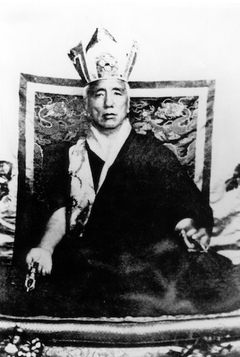
Aspiration for Jamyang Tsultrim
Translator’s Introduction
In July 2023 a post appeared on WeChat entitled “A Manuscript in Dzongsar Khyentse Chökyi Lodrö’s Own Handwriting” (རྫོང་སར་མཁྱེན་བརྩེ་ཆོས་ཀྱི་བློ་གྲོས་ཀྱི་ཕྱག་བྲིས་ཕྱག་བསྟར་མ།). The text in question is an aspiration, composed in the vicinity of the Jokhang in Lhasa for a Sakya monk named Jamyang Tsultrim from Tsedong (rtse gdong) Monastery, possibly in 1955. It consists of six verses and is general in theme but clearly written from a Sakya perspective—in which the view is the recognition of saṃsāra and nirvāṇa’s inseparability (’khor ‘das dbyer med).
༄༅། །ས་སྐྱ་རྩེ་གདོང་གྲྭ་འཇམ་དབྱངས་ཚུལ་ཁྲིམས་ཀྱིས་སྐུལ་ངོར་བྲིས་པའི་སྨོན་ལམ།
Aspiration Written for Jamyang Tsultrim of Sakya Tsedong1
by Jamyang Khyentse Chökyi Lodrö
ཕྱོགས་དུས་རྒྱལ་བ་སྲས་བཅས་ཐུགས་རྗེ་དང་། །
chok dü gyalwa sé ché tukjé dang
Through the compassion of the victorious ones and their heirs throughout the whole of space and time,
བླ་མ་ཡི་དམ་ཆོས་སྐྱོང་ནོར་ལྷ་ཡིས། །
lama yidam chökyong norlha yi
And through the gurus, yidams, Dharma protectors, and wealth deities,
བདག་གི་ཆོས་དང་མཐུན་པའི་བསམ་སྦྱོར་ཀུན། །
dak gi chö dang tünpé samjor kün
May all my thoughts and actions that accord with the Dharma
གེགས་མེད་ཡིད་བཞིན་འགྲུབ་པར་བྱིན་གྱིས་རློབས། །
gekmé yizhin drubpar jingyi lob
Be accomplished without hindrance, just as I wish.
ངེས་འབྱུང་ཚུལ་ཁྲིམས་གཞི་རྩ་རབ་ཏུ་བརྟན། །
ngejung tsultrim zhitsa rabtu ten
With a steadfast foundation of renunciation and discipline,
གཞན་ཕན་བྱམས་དང་སྙིང་རྗེ་བྱམས་སེམས་དང་། །
zhenpen jam dang nyingjé jam sem dang
And altruistic love, compassion, and benevolence,
བླ་མར་མོས་གུས་རི་རྒྱལ་ལྟར་བརྟན་པས། །
lamar mögü rigyal tar tenpé
And devotion to the guru as stable as the king of mountains,
སྡོམ་དང་དམ་ཚིག་རྣམ་པར་དག་པར་ཤོག །
dom dang damtsik nampar dakpar shok
May I keep my vows and pledges perfectly pure.
ཇི་ལྟར་སྣང་བ་འདི་དག་རང་གི་སེམས། །
jitar nangwa didak rang gi sem
However these appearances arise, they are my own mind.
རང་སེམས་གདོད་ནས་སྐྱེ་འགག་གནས་གསུམ་བྲལ། །
rangsem döné kyegak né sum dral
My mind has always been free from arising, ceasing, and remaining.
གསལ་རིག་སྟོང་གསུམ་དབྱེར་མེད་གནས་ལུགས་གཤིས། །
salrik tongsum yermé neluk shi
Its fundamental nature is clarity, awareness, and emptiness inseparable.
བརྗོད་བྲལ་ལྟ་བ་མངོན་དུ་བྱེད་པར་ཤོག །
jödral tawa ngön du jepar shok
May I actualize the view that is beyond expression.
ཟབ་མོ་བསྐྱེད་དང་རྫོགས་པའི་རིམ་པ་ཡི། །
zabmo kyé dang dzokpé rimpa yi
Through exerting myself in the profound yogas of the four empowerments
དབང་བཞིའི་རྣལ་འབྱོར་ཟབ་མོར་བརྩོན་པ་ལས། །
wang zhi naljor zabmor tsönpa lé
Of the profound generation and completion stages,
སྒྲིབ་དག་སྐུ་བཞི་ཡེ་ཤེས་མངོན་དུ་གྱུར། །
drib dak ku zhi yeshe ngön du gyur
May obscurations be purified and the wisdom of the four kāyas actualized,
འབྲས་བུ་རྒྱལ་པོའི་བཙན་ས་ཟིན་པར་ཤོག །
drebu gyalpö tsensa zinpar shok
And may I capture the sovereign stronghold of the fruition.
མདོར་ན་མཉམ་རྗེས་ཀུན་ཏུ་ཐ་མལ་གྱི། །
dorna nyamjé küntu tamal gyi
In short, throughout all meditation and post-meditation periods,
འཁྲུལ་པ་རྒྱ་འབྱམས་དབང་དུ་མ་ཤོར་བར། །
trulpa gya jam wang du ma shorwar
Without succumbing to the extensive confusion of the ordinary,
འཁོར་འདས་དབྱེར་མེད་ལྟ་བའི་ཉམས་ལེན་གྱི། །
khordé yermé tawé nyamlen gyi
And never parting from the vital point of practising the view
གནད་དང་འབྲལ་མེད་ཡེ་ཤེས་འཆར་བར་ཤོག །
né dang dralmé yeshe charwar shok
Of the inseparability of saṃsāra and nirvāṇa, may wisdom dawn.
ཚེ་རབས་ཀུན་ཏུ་བླ་མས་རྗེས་སུ་བཟུང་། །
tserab küntu lamé jesu zung
May I be guided and cared for by the guru in all my lives,
བྱང་ཆུབ་སྤྱོད་ལས་ནམ་ཡང་མི་འདའ་ཞིང་། །
changchub chö lé namyang mi da zhing
May I never stray from the conduct of the bodhisattvas,
དྲན་ཤེས་བག་ཡོད་རྒྱུན་དུ་བསྟེན་པ་དང་། །
dren shé bakyö gyündu tenpa dang
And by constantly applying mindfulness, vigilance and conscientiousness,
འགྲོ་བ་སེམས་ཅན་དོན་རབ་བརྩོན་པར་ཤོག །
drowa semchen dön rab tsönpar shok
May I exert myself for the sake of sentient beings.
ཅེས་པའང་ས་སྐྱ་རྩེ་གདོང་གྲྭ་འཇམ་དབྱངས་ཚུལ་ཁྲིམས་ཀྱིས་སྐུལ་ངོར་ཆོས་ཀྱི་བློ་གྲོས་པས་ལྷ་གདན་གཙུག་ལག་ཁང་གི་ཉེ་ལོགས་སུ་བྲིས་པ་དགེའོ། །
Chökyi Lodrö wrote this at the request of Jamyang Tsultrim, a monk at Sakya Tsedong, near the Lhasa Tsuklakhang.2
| Translated by Adam Pearcey with the generous support of the Khyentse Foundation and Tertön Sogyal Trust, 2023.
Source
Manuscript copy kindly provided by Alak Zenkar Rinpoche. (This text is not included in any edition of the collected works.)
Version: 1.0-20231123