Song of Ḍākinī’s Delight
༄༅། །དག་སྣང་ཆོས་སྐོར་ལས་ཌཱཀི་དགྱེས་པའི་དོ་ཧ་བཞུགས་སོ། །
The Song of Ḍākinī’s Delight from the Dharma Cycle of Pure Vision
by Khenchen Jigme Puntsok
རང་སྣང་རྣམ་དག་དྷུ་མ་ཐ་ལ་ཡི་ཞིང་འདིར། །
rangnang namdak dhumatala yi zhing dir
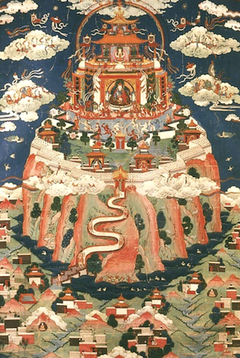
In this naturally manifest pure realm of Dhumatala
རིག་འཛིན་ཌཱཀི་བྱེ་བའི་ཚོགས་གྲལ་དུ་འཁོད་། །
rigdzin daki jewé tsokdral du khö
Are assembled millions of vidyādharas and ḍākinīs,
གསང་ཆེན་གདམས་པའི་བཅུད་ལ་ངོམས་མེད་དུ་སྤྱོད་ཅིང༌། །
sang chen dampé chü la ngommé du chö ching
Feasting insatiably on the nectar of great secret teaching.
རིགས་བརྒྱའི་ཁྱབ་བདག་མཚུངས་མེད་དྲིན་ལྡན་གྱི་བླ་མ། །
rik gyé khyabdak tsungmé drinden gyi lama
O guru of matchless kindness, lord of a hundred families,
སྤྱི་གཙུག་རྒྱན་དུ་ཐོབ་པའི་སྐལ་བཟང་ལ་བསམས་ཚེ། །
chitsuk gyen du tobpé kalzang la sam tsé
Considering how fortunate it is that you adorn my crown,
ན་ཆུང་བདག་ཀྱང་གུས་སྤྲོའི་གཞན་དབང་དུ་གྱུར་ནས། །
na chung dak kyang gü trö zhenwang du gyur né
I, one so youthful, am overcome with devotion and joy.
རྐང་པའི་བྲོ་དང་ལག་པའི་གར་སྟབས་དེ་ངོམ་བཞིན། །
kangpé dro dang lakpé gartab dé ngom zhin
As my feet dance about and my arms sway in rhythm,
ཉམས་དགའི་སྐྱིད་གླུ་མི་འགུགས་རང་དབང་མ་བྱུང་། །
nyamgé kyi lu mi guk rangwang ma jung
I sing this spontaneous song of happiness and delight.
སྣོད་བཅུད་རྒྱུད་རྣམས་དག་པ་རྩ་གསུམ་གྱི་ལྷ་ལ། །
nöchü gyü nam dakpa tsa sum gyi lha la
To the Three-Root deities, pure container, contents and continua,
གང་སྣང་ཀུན་བཟང་རོལ་པའི་ཚོགས་མཆོད་རང་ཕུལ་ཏེ། །
gang nang kunzang rolpé tsokchö rang pul té
We offer the feast of all that appears, the play of Samantabhadra.
ཚིམ་པ་དྲུག་ལྡན་དགའ་བདེའི་ཉེ་ལམ་ལ་བརྟེན་ནས། །
tsimpa drukden ga dé nyelam la ten né
And, through the short path of sixfold satisfaction and bliss,
བསྐལ་མང་ཚོགས་ཟུང་རྒྱ་མཚོ་དུས་གཅིག་ཏུ་འདུམས་སོང༌། །
kal mangtsok zung gyatso dü chik tu dum song
Amass twofold accumulation—many aeons’ worth—in an instant.
ཨ་འཐས་ཞེན་པའི་སྲུང་སྡོམ་གྱི་ན་རུ་བོར་ཏེ། །
até zhenpé sung dom gyi na ru bor té
No longer tightly observing discipline as if all were real,
རོ་སྙོམས་བརྟུལ་ཞུགས་སྤྱོད་པའི་རྩལ་ཤུགས་ལ་བརྟེན་ནས། །
ronyom tulzhuk chöpé tsalshuk la ten né
And relying instead on the power of the yogic conduct of equal taste,
རིག་འཛིན་རྣམ་བཞིའི་མཁའ་ལ་ཁྱུང་ལྡིང་བཞིན་བགྲོད་སྐབས། །
rigdzin nam zhi kha la khyung ding zhin drö kab
We course like garuḍas through the space of the four vidyādhara levels
གཅོང་རོང་འཁོར་བར་བག་ཟོན་ཡིད་ཡུལ་ནས་བོར་ཐལ། །
chong rong khorwar bak zön yi yul newor tal
And leave behind the cautious approach to navigating saṃsāra’s perils.
འཛུམ་པའི་ཟུར་མིག་གཅིག་གིས་དཔའ་ཆེན་ནི་འབུམ་གྱི། །
dzumpé zurmik chik gi pa chen ni bum gyi
The hint of a smile is enough to captivate even the minds
གཡོ་བའི་ཀུན་རྟོག་གཡོ་མེད་དམ་པོ་རུ་བསྡམས་ཀྱང༌། །
yowé küntok yomé dampo ru dam kyang
Of myriad great heroes who have stilled their thoughts,
དཀར་མངར་བཅུད་ཀྱིས་ཁེང་པའི་ཡིད་འཛིན་གྱི་བུམ་པ། །
kar ngar chü kyi khengpé yi dzin gyi bumpa
And the attractive vase filled with nectar, white and sweet,
ཡལ་འདབ་ལྔ་བའི་རྒྱན་དུ་མ་ཚོར་བར་བརྐུས་སོང༌། །
yaldab ngawé gyen duma tsorwar kü song
Is stolen, undetected, as an ornament of the five-petalled.1
འཁྲི་ཤིང་ཡལ་ག་སྤུངས་པའི་སྐྱེད་ཚལ་གྱི་དབུས་ན། །
trishing yalga pungpé kyetsal gyi ü na
In the heart of a garden filled with branches and vines
རེག་འཇམ་པད་མ་གཞོན་ནུའི་མལ་སྟན་ཞིག་ཡོད་སྐད། །
rek jam pema zhönnü mal ten zhik yö ké
There is a bed of soft, fresh lotuses, it is said.
དེ་རུ་ཡུད་ཙམ་འདུག་པའི་སྙིང་སྟོབས་ཤིག་ཐོབ་ན། །
dé ru yütsam dukpé nyingtob shik tob na
If you can find the courage to rest there for a while,
གཟུང་འཛིན་སྲིད་པའི་ཚ་དབལ་རྨི་ལམ་བཞིན་ཡལ་འགྲོ །
zungdzin sipé tsa wal milam zhin yal dro
The fever of dualistic conditioning will fade like a dream.
རིག་སྟོང་ཟང་ཐལ་སྐྱེ་མེད་ཆོས་སྐུ་ཡི་ལྟ་བ། །
riktong zangtal kyemé chöku yi tawa
Empty awareness, transparent and unborn—the dharmakāya view;
འཛིན་མེད་རང་གསལ་ལོངས་སྤྱོད་རྫོགས་སྐུ་ཡི་སྒོམ་པ། །
dzinmé rangsal longchö dzok ku yi gompa
Self-luminous and without grasping—sambhogakāya meditation;
འཁྲུལ་མེད་སྤང་བླང་བྲལ་བ་སྤྲུལ་སྐུ་ཡི་སྤྱོད་པ། །
trulmé panglang dralwa tulku yi chöpa
Unmistaken, beyond acceptance and rejection—nirmāṇakāya conduct.
དབྱེར་མེད་ཉམས་སུ་ལེན་རྣམས་སྐྱིད་པོ་ཡི་ཡང་རྩེ། །
yermé nyam su len nam kyipo yi yangtsé
Those who practise these inseparably know the pinnacle of happiness.
དེ་རིང་འདི་ན་ཚོགས་པ་རྡོ་རྗེ་ཡི་མཆེད་ལྕམ། །
dering di na tsokpa dorjé yi checham
Let us pray that the vajra brothers and sisters gathered here today
མི་འབྲལ་མར་མེའི་འོད་དང་སྡོང་བུ་བཞིན་འགྲོགས་ཏེ། །
mindral marmé ö dang dongbu zhin drok té
Accompany one another as inseparably as a lamp’s wick and flame,
བསྐྱེད་རྫོགས་རྫོགས་ཆེན་བསྒོམས་པའི་ཉེ་རྒྱུ་ལ་བརྟེན་ནས། །
kyedzok dzogchen gompé nyé gyu la ten né
And through generation, completion, and the Great Perfection,
ཚོམ་བུ་གཅིག་ཏུ་མངོན་འཚང་རྒྱ་བ་ལ་སྨོན་ནོ། །
tsombu chik tu ngön tsanggyawa la mön no
Attain awakening all together in a single maṇḍala gathering!
ཞེས་སྔ་སོར་རང་ལོ་ཉེར་བདུན་གྱི་དུས་སུ་སློབ་ཚོགས་དྲུག་ཅུ་ལྷག་ཙམ་ལ་མཛོད་ཆེན་བདུན་གྱི་བཤད་ཁྲིད་བྱེད་སྐབས་ནུབ་གཅིག་རྨི་ལམ་དུ་དཔལ་པདྨ་འོད་ཀྱི་ཕོ་བྲང་དུ་ཐོན་ཅིང་། རྟེན་བརྟེན་པ་དང་བཅས་པ་རྒྱ་ཆེར་མཇལ་ཏེ་རིག་འཛིན་མཁའ་འགྲོ་རྣམས་ཀྱིས་སྨོན་ལམ་དང་གདམས་པ་མང་པོ་གནང་མཐར། ནུབ་ཕྱོགས་ཀྱི་ཕོ་བྲང་ཉམས་དགའ་བ་ཞིག་ན་ཨུ་རྒྱན་རཀྴ་ཐོད་ཕྲེང་ཞེས་བྱ་བ་འཁོར་མང་པོ་དང་མཉམ་དུ་ཚོགས་ཀྱི་འཁོར་ལོ་ལ་ལོངས་སྤྱོད་སྐབས། ན་ཆུང་མ་ཞིག་གིས་ཚོགས་གླུ་འདི་བླངས་མཐར་མནལ་སད་སོང་། ཕྱི་ནངས་ངག་རྟ་དང་ཚིག་དོན་འོལ་སྤྱི་ཙམ་ཡིད་ངོར་ཡོད་པ་ལས་ངག་རྟ་ཉིད་དེར་འདུས་པ་རྣམས་ལ་བསླབས་ཤིང་ཚིག་དོན་ཡི་གེར་བཀོད་དེ་ལོ་སོ་གཅིག་ལ་གསང་རྒྱ་བྱས་མཐར་རྐྱེན་ཞིག་གིས་བསྐུལ་ནས་ངག་དབང་བློ་གྲོས་མཚུངས་མེད་པས་སླར་ཡང་ཡི་གེར་བཀོད་པ་དགེ་ཞིང་བཀྲ་ཤིས་པར་གྱུར་ཅིག།།།
In the past, when I was in my twenty-seventh year and was explaining the Seven Treasuries to more than sixty students, I dreamt one evening that I was transported to the Glorious Palace of Light, where I encountered the supporting maṇḍala and supported deities. Once the vidyādharas and ḍākinīs had provided many aspirations and instructions, while Urgyen Rakṣa Tötreng celebrated a gaṇacakra feast in a delightful palace to the west, accompanied by a large retinue, a youthful girl sang this song, after which I awoke. The following day, I retained only a vague impression of the melody and meaning of the words. I taught the melody to those had gathered and wrote down the words. For thirty-one years I kept it secret, until finally, inspired by circumstances, I, Ngawang Lodrö Tsungmé, set this down in writing once again. May it prove virtuous and auspicious!
| Translated by Adam Pearcey, 2025.
Source
‘jigs med phun tshogs. "dag snang chos skor las DAki dgyes pa’i do ha" in gsung 'bum/_'jigs med phun tshogs 'byung gnas/. 3 vols. xiang gang: xiang gang xin zhi chu ban she, 2002. (BDRC W00KG03976). Vol. 3: 113–114
Version: 1.0-20251211
Notes
- This verse is very difficult to translate and may contain layers of hidden meaning. For example, the word 'vase' here may signify a female breast, while 'five-petalled', which can signify a lotus, is also a poetic term for the hand. The translator is grateful to Ringu Tulku Rinpoche for pointing out these possible interpretations. ↑