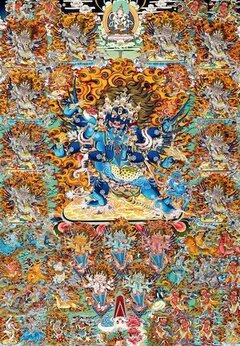
Very Simple Düpung Zilnön
༄༅། །དཔལ་ཆེན་རྡོ་རྗེ་ཕུར་པ་བདུད་དཔུང་ཟིལ་གནོན་གྱི་ཕྲིན་ལས་བྱང་བུ་ཤིན་ཏུ་འཁྱེར་བདེ་རུ་བཀོད་པ་བཞུགས།
A Very Simple Practice Manual for the Awesome Vajrakīlaya: Overpowering the Forces of Māra
by Dorje Düdul
དེ་བཞིན་གཤེགས་པ་ཁྲག་འཐུང་གི་རྒྱལ་པོ་ལ་ཕྱག་འཚལ་ལོ། །
Homage to the Tathāgata, King of Herukas!
དཔལ་ཆེན་རྡོ་རྗེ་ཕུར་པ་བདུད་དཔུང་ཟིལ་གནོན་གྱི་ཕྲིན་ལས་བྱང་བུ་ཤིན་ཏུ་འཁྱེར་བདེ་རུ་འགོད་པ་ལ་སྦྱོར་དངོས་རྗེས་གསུམ་གྱི་སྦྱོར་བ་ལའང་།
This very simple practice manual for Vajrakīlaya: Overpowering the Forces of Māra has three parts: 1) the preliminaries, 2) the main practice, and 3) the conclusion.
དང་པོ་མདུན་རྣམ་དག་ནི།
1. The Preliminaries
First invoke the pure front visualization:
བཛྲ་ས་མ་ཛཿ
benza samadza
vajra samājaḥ
ཕྱོགས་བཅུ་དུས་གསུམ་གྱི་རྒྱལ་བ་སྲས་དང་བཅས་པ་ཐམས་ཅད་རྡོ་རྗེ་གཞོན་ནུའི་དཀྱིལ་འཁོར་གྱི་རོལ་བ་ཉག་ཅིག་ཏུ་སད་པར་གྱུར།
chok chu dü sum gyi gyalwa sé dang chepa tamché dorjé zhönnü kyilkhor gyi rolwa nyakchik tu separ gyur
All the victorious ones of the ten directions and three times, along with their heirs, awaken as the singular display of the maṇḍala of Vajrakumāra.
དང་པོ་ལའང་ཚོགས་གསོག་པ་ནི།
1. Gathering the Accumulations
རྡོ་རྗེ་སློབ་དཔོན་སངས་རྒྱས་དཔལ། །
dorjé lobpön sangye pal
I prostrate to the vajra master,
དུས་གསུམ་བཞུགས་ལ་ཕྱག་འཚལ་ལོ། །
dü sum zhuk la chaktsal lo
Glorious embodiment of the buddhas of past, present and future!
མཆོག་གསུམ་བསྟེན་པའི་ཞིང་གྱུར་ལ། །
chok sum tenpé zhing gyur la
With a mind free from all duality,
གཉིས་མེད་ཡིད་ཀྱིས་སྐྱབས་སུ་མཆི། །
nyimé yi kyi kyab su chi
I take refuge in the Three Jewels, the objects of reliance!
དངོས་འབྱོར་ཡིད་ཀྱིས་རྣམ་སྤྲུལ་པའི། །
ngöjor yi kyi namtrulpé
I request that you accept these pure offerings,
དག་པའི་མཆོད་པ་བཞེས་སུ་གསོལ། །
dakpé chöpa zhé su sol
Both actual and envisioned.
དངོས་གྲུབ་ཆུ་བོ་གཅོད་པའི་བགེགས། །
ngödrub chuwo chöpé gek
My faults, the hindrances that cut the flow of accomplishments,1
ཉེས་བྱས་མ་ལུས་བཤག་པར་བགྱི། །
nyejé malü shakpar gyi
I confess without exception.
ཕྱོགས་བཅུ་འཁོར་གསུམ་དག་པའི་ཆོས། །
chok chu khor sum dakpé chö
In all those actions throughout the ten directions done without attachment
མ་ཆགས་སྤྱོད་ལ་རྗེས་ཡི་རང་། །
ma chak chö la jé yi rang
And free from concepts of subject, object and action, I rejoice!
དག་པའི་མཐའ་བཞི་དྲི་མ་མེད། །
dakpé ta zhi drima mé
I awaken the perfect mind set upon awakening,
རྫོགས་པའི་བྱང་ཆུབ་སེམས་བསྐྱེད་དོ། །
dzokpé changchub semkyé do
Pure and untainted by the four extremes.
བདེ་གཤེགས་དབང་ཕྱུག་སེམས་ཅན་ལ། །
deshek wangchuk semchen la
To the bliss-gone ones,2 mighty lords and sentient beings.
དགོས་པ་གསུམ་ཕྱིར་ལུས་དབུལ་ལོ། །
göpa sum chir lü ul lo
I offer my body for the threefold purpose.
ཚེ་རབས་བགྲངས་པའི་ལས་རྣམས་ཀུན། །
tserab drangpé lé nam kün
Gathering the merits accumulated throughout all my lives,
བསྡུས་ཏེ་བྱང་ཆུབ་ཆེན་པོར་བསྔོ། །
dü té changchub chenpor ngo
I dedicate them to supreme enlightenment!
ལན་གསུམ་གྱི་མཐར།
Three times.
ཛཿཧཱུྃ་བཾ་ཧཱུྃཿ
dza hung bam hum
jaḥ hūṃ baṃ hoḥ
ཞེས་རང་ལ་བསྟིམ་པས་རྒྱལ་ཐབས་སྤྱི་བླུགས་ཀྱི་དབང་ཐོབ་པར་བསམ་མོ། །
Imagine that they dissolve into you, and you obtain the empowerment of the vase conferring majesty.
གཉིས་པ་མཆོད་རྫས་བྱིན་བརླབ་ནི།
2. Blessing the Offering Substances
ཧཱུྃ། སྣང་སྲིད་ཐམས་ཅད་མཆོད་པའི་སྤྲིན། །
hung, nangsi tamché chöpé trin
Hūṃ. Offering clouds of all that appears and exists
ཡེ་ཤེས་བདུད་རྩིར་བྱིན་བརླབས་པས། །
yeshe dütsir jinlab pé
Are blessed as wisdom amṛta,
ཕྱི་ནང་གསང་བའི་མཆོད་རྫས་ཀུན། །
chi nang sangwé chödzé kün
So that all outer, inner and secret offerings
ཀུན་བཟང་རྣམ་འཕྲུལ་ཆེན་པོར་གྱུར། །
kunzang namtrul chenpor gyur
Become Samantabhadra’s vast, miraculous display.
ཨོཾ་བཛྲ་ཨརྒྷཾ། པདྱཾ། པུཥྤེ། དྷུ་པེ། ཨ་ལོ་ཀེ །གྷནྡྷེ། ནཻ་ཝིདྱ། ཤཔྟ། ཨཿཧཱུྃ།
om benza argham padyam pushpé dhupé aloké ghendhé naividya shapta ah hung
oṃ vajra arghaṃ pādyaṃ puṣpe dhūpe aloke gandhe naivedye śabda āḥ hūṃ
སྨན་གཏོར་རཀྟའི་སྔགས།
The mantra for the medicine, torma and rakta:
སརྦ་པཉྩ་རཀྟ་བ་ལིངྟ་མ་ཧཱ་སུ་ཁཱ་པུ་ཛ་ཨཱཿཧཱུྃ།
sarva pentsa rakta balingta maha sukha puja ah hung
sarva-pañca rakta baliṅta mahā-sukha pūjā āḥ hūṃ
ལན་གསུམ་རེ་བརྗོད།
Recite each of these mantras three times.
གཉིས་པ་དངོས་གཞི་ལ།
2. The Main Practice
དང་པོ་བསྐྱེད་རིམ་ནི།
1. The Generation Phase
The Three Samādhis
ཏིང་འཛིན་རྣམ་གསུམ་ཁྱད་ཆོས་ལྡན༔
tingdzin nam sum khyechö den
The special feature of the three samādhis is as follows:
རྡོ་རྗེ་དེ་བཞིན་ཉིད་ཀྱི་དབྱིངས༔
dorjé dezhin nyi kyi ying
Within the expanse of vajra suchness,
སྙིང་རྗེ་འགལ་ཟླ་ལ་ཁྲོས་པས༔
nyingjé gal da la tröpé
Wrath toward opponents of compassion
ཀུན་སྣང་བྱང་ཆུབ་སེམས་སུ་ཤར༔
kün nang changchub sem su shar
Arises as all-illuminating bodhicitta;
མཚོན་ཆེན་ཐུགས་ཀྱི་རྡོ་རྗེ་ནི༔
tsön chen tuk kyi dorjé ni
This great weapon, the vajra of mind
ཡིག་འབྲུས་མཚན་པ་རྒྱུ་ཡིན་ནོ༔
yikdrü tsenpa gyu yin no
Marked with the seed-syllable, is the causal.
The Samādhi of Suchness
ཧཱུྃ༔ རྡོ་རྗེ་ཁྲོས་པས་ཞེ་སྡང་གཅོད༔
hung, dorjé tröpé zhedang chö
Hūṃ. When vajra wrath is aroused, aggression is cut right through.
ཐུགས་ནི་ཡང་དག་རྡོ་རྗེ་ཉིད༔
tuk ni yangdak dorjé nyi
Enlightened mind is the perfect vajra itself.
སྟོང་པ་ཉིད་ཀྱི་ཡེ་ཤེས་ཏེ༔
tongpanyi kyi yeshe té
The primordial wisdom of emptiness
རྣམ་པར་མི་རྟོག་རྟོག་ལས་འདས༔
nampar mi tok tok lé dé
Is non-conceptual, beyond the thinking mind.
The All-Illuminating Samādhi
སྙིང་རྗེས་བསྒྲལ་བའི་དམ་ཚིག་ནི༔
nyingjé dralwé damtsik ni
The samaya of ‘liberating through compassion’
གསད་ཅིང་མནན་པ་མ་ཡིན་ཏེ༔
sé ching nenpa mayin té
Involves neither killing nor subduing.
ཕུང་པོ་རྡོ་རྗེས་གཏམས་བྱས་ནས༔
pungpo dorjé tam jé né
The aggregates and consciousness are
རྣམ་པར་ཤེས་པ་རྡོ་རྗེར་སྒོམ༔
nampar shepa dorjér gom
Transformed into vajra, their true nature.
ཧཱུྃ། སེམས་དང་ཡིད་དང་རྣམ་ཤེས་ཉིད༔
hung, sem dang yi dang namshé nyi
Hūm. Having become deluded about mind, intellect, and consciousness,
དེ་ཉིད་ལས་ནི་འཁྲུལ་ནས་བཏགས༔
denyi lé ni trul né tak
Mistaken concepts are superimposed.
རྣམ་རྟོག་བག་ཆགས་སྤང་བའི་ཕྱིར༔
namtok bakchak pangwé chir
In order to relinquish conceptual thoughts and habitual patterns,
བདག་དང་ཕུར་པ་གཞལ་ཡས་ཁང་༔
dak dang purpa zhalyé khang
Myself and the kīla become the palace.
ཧཱུྃ། རཀྟའི་རྒྱ་མཚོ་ཆེན་པོ་འཁྱིལ་བའི་ཀློང་། །
hung, rakté gyatso chenpo khyilwé long
Hūm. In the expanse of a vast swirling ocean of blood,
ཀེང་རུས་ཆེན་པོའི་རི་རབ་བརྩེགས་པའི་སྟེང་། །
keng rü chenpö rirab tsekpé teng
Upon a mountain of great skeletons piled high,
རྡོ་རྗེའི་བྲག་ཆེན་གཏམས་པའི་ས་གཞི་ལ། །
dorjé drak chen tampé sa zhi la
On the ground, filled with immense vajra rocks,
དུར་ཁྲོད་ཆེན་པོ་འབར་བའི་གཞལ་ཡས་ཁང་། །
durtrö chenpo barwé zhalyé khang
Stands the blazing palace of the great charnel ground.
སུས་ཀྱང་མ་བསྐྱེད་ཡེ་ནས་ཚད་ལས་འདས། །
sü kyang ma kyé yené tsé lé dé
Within the maṇḍala, not created by anyone, primordially beyond limits,
བསྐལ་པ་མེ་ལྟར་འབར་བའི་དཀྱིལ་འཁོར་ནང་། །
kalpa mé tar barwé kyilkhor nang
And blazing like the fire at the end of time,
དྲེགས་པ་ལྷ་ཆེན་བསྣོལ་བའི་གདན་སྟེང་དུ། །
drekpa lhachen nolwé den tengdu
Upon a seat of the arrogant great gods intertwined,
ཉི་ཟླའི་གདན་བཤམས་པདྨའི་གེ་སར་བཅས། །
nyidé den sham pemé gesar ché
Are arranged seats of a sun, moon, and lotus,
ཚད་དང་མཚན་ཉིད་མ་ལུས་ཡོངས་སུ་རྫོགས། །
tsé dang tsennyi malü yongsu dzok
Complete with perfect qualities and attributes.
གཙོ་བོའི་གནས་སུ་ཧཱུྃ་མཐིང་ནག་ཡོངས་སུ་གྱུར་པ་ལས། འཇིགས་བྱེད་ཀྱི་རྒྱལ་པོ་དཔལ་རྡོ་རྗེ་གཞོན་ནུ་དབུ་གསུམ་ཕྱག་དྲུག་པ། ཞབས་རྣམ་པ་བཞི་དང་ལྡན་པ།
tsowö né su hung tingnak yongsu gyurpa lé | jikjé kyi gyalpo pal dorjé zhönnu u sum chak drukpa | zhab nampa zhi dang denpa
In the place of the principal deity, a dark blue hūṃ transforms into the terrifying king, the Awesome Vajrakumāra, with three heads, six hands, and four legs.
གཡས་དཀར། གཡོན་དམར། དབུས་མཐིང་ནག་ཏུ་བཞུགས་པ།
yé kar | yön mar | ü tingnak tu zhukpa
His right head is white, his left head red, and his central head dark blue.
གཡས་ཀྱི་དང་པོ་ན་རྡོ་རྗེ་རྩེ་དགུ་པ། གཡོན་དང་པོ་ན་མེ་དཔུང་འབར་བ་བསྣམས། གཡས་བར་བ་ན་རྡོ་རྗེ་རྩེ་ལྔ་དང་། གཡོན་བར་བ་ན་ཁ་ཊྭཱཾ་རྩེ་གསུམ་འཛིན་པ། མཐའ་གཉིས་ཀྱིས་རི་རབ་ཕུར་པ་འདྲིལ་ཞིང་ཞབས་བཞི་ལས་གཉིས་བརྐྱངས་གཉིས་བསྐུམས་ཏེ་འདོར་སྟབས་སུ་བཞུགས་པའོ། །སྐུ་ལ་བསྐལ་པའི་མེ་རི་དང་།
yé kyi dangpo na dorjé tsé gupa | yön dangpo na mepung barwa nam | yewar ba na dorjé tsé nga dang | yön barwa nakhatam tsesum dzinpa | ta nyi kyi rirab purpa dril zhing zhab zhi lé nyi kyang nyi kum té dortab su zhukpa o | ku la kalpé meri dang
In his upper right hand, he holds a nine-pronged vajra; in his upper left hand, a blazing mass of fire; in his middle right hand, he holds a five-pronged vajra; in his middle left hand, he holds a three-pronged khaṭvāṅga; and with his lower two hands, he rolls a Mount Meru kīla. Two of his four legs are extended and two drawn in, as he stands in a striding posture amidst apocalyptic fire.
གླང་པོ་ཆེའི་ཀོ་རློན་དང་། སྟག་གི་ཤམ་ཐམས་དང་། ཞིང་ཆེན་གྱི་པགས་པ་དང་།
langpo ché ko lön dang | tak gi sham tam dang | zhing chen gyi pakpa dang
He wears a fresh elephant hide, a tiger-skin skirt, and a human skin.
ཐལ་བའི་ཚོམ་བུ་དང་། ཞག་གི་ཟོ་རིས་དང་། ཁྲག་གི་ཐིག་ལེའོ། །སྦྲུལ་རིགས་ལྔས་བརྒྱན་ཏེ། རྒྱལ་རིགས་དང་། རྗེ་རིགས་དང་། བྲམ་ཟེའི་རིགས་དང་། དམངས་རིགས་དང་། གདོལ་བའི་རིགས་སོ། །
talwé tsombu dang | zhak gi zo ri dang | trak gi tiklé o | drul rik ngé gyen té | gyalrik dang | jerik dang | dramzé rik dang | mang rik dang | dolwé rik so
He is adorned with streaks of ash, smears of fat, drops of blood, and serpents of the five families: the royal, noble, brahmin, commoner, and outcast class.
ཐུགས་ཆགས་པས་ཁྲག་གི་རྒྱ་མཚོ་ལ་གསོལ་བའོ། །
tuk chakpé trak gi gyatso la solwa o
Full of desire, he drinks from the ocean of blood.
ཡུམ་འཁོར་ལོ་རྒྱས་འདེབས་མ་ཞལ་གཅིག་ཕྱག་གཉིས་མ།
yum khorlo gyendebma zhal chik chak nyi ma
His consort Dīptacakrā has one face and two hands.
གཡས་དྲིལ་བུ་འཛིན་པས་ཡབ་ཀྱི་མགུལ་ནས་འཁྱུད་པ།
yé drilbu dzinpé yab kyi gul né khyüpa
With her right hand, holding a bell, she embraces him by his neck.
གཡོན་བྷནྡྷ་རཀྟས་བཀང་ནས་ཡབ་ཀྱི་ཞལ་དུ་སྟོབ་པ།
yön bhenda rakté kang né yab kyi zhal du tobpa
With her left hand, she offers a skull-cup filled with blood to his mouth.
སྐུ་ལ་དུར་ཁྲོད་ཀྱི་རྒྱན་གྱིས་བརྒྱན་པ། དོ་ཤལ་དང་། དཔུང་རྒྱན་དང་། མགུལ་རྒྱན་དང་། སྙན་རྒྱན་དང་། སེ་མོ་དོས་བརྒྱན་པ།
ku la durtrö kyi gyen gyi gyenpa | doshal dang | punggyen dang | gulgyen dang | nyengyen dang | semo dö gyenpa
Her body is adorned with the charnel ground ornaments: a medium-length necklace, shoulder-straps, a short necklace, earrings, and a long necklace.
ཐབས་དང་ཤེས་རབ་གཉིས་སུ་མེད་པར་བཞུགས་པའོ། །
tab dang sherab nyisumepar zhukpa o
They abide as skilful means and wisdom indivisible.
The Supreme Sons
ཧཱུྃ༔ སངས་རྒྱས་ཀུན་གྱི་ཡེ་ཤེས་སྐུ༔
hung, sangye kün gyi yeshe kü
Hūṃ. From the wisdom kāya of all the buddhas,
ངང་ཉིད་རྡོ་རྗེའི་ཆོས་དབྱིངས་ལས༔
ngang nyi dorjé chöying lé
The indestructible dharmadhātu,
འབར་བའི་ཁྲོ་བོ་མི་བཟད་པའི༔
barwé trowo mizepé
All of you sons, embodiments of blazing, unbearable wrath:
སྐུ་ཡི་དབྱིག་ཏུ་སྲས་བསྐྱེད་ཅིག༔
ku yi yik tu sé kyé chik
Arise in your precious forms!
ཅེས་བསྐུལ་བས་སྲིད་པ་གསུམ་ གྱི་སྣང་ཞེན་རྡོ་རྗེ་ཕུར་པའི་དཀྱིལ་འཁོར་གསུམ་དུ་སྒྲུབ་པའི་ཕྱིར་རྡོ་རྗེ་ཆགས་པའི་ཏིང་ངེ་འཛིན་ལ་སྙོམས་པར་ཞུགས།
ché kulwé sipa sum gyi nang zhen dorjé purpé kyilkhor sum du drubpé chir dorjé chakpé ting ngé dzin la nyompar zhuk
Thus invoke them. In order to transform all attachment to appearances of the three realms into the three maṇḍalas of Vajrakīlaya, they meditate on the samādhi of vajra passion.
ཡབ་ཡུམ་གཉིས་སུ་མེད་པར་རྡོ་རྗེ་ཆགས་པའི་དོན་ལ་བསྐུལ་བར་མཛད་དེ་
yabyum nyisumepar dorjé chakpé dön la kulwar dzé dé
With male and female deity indivisible, invoking the vajra passion:
ཡབ་ཀྱིས་
The male deity says:
ས་མ་ཡ་ཧོ༔
samaya ho
samaya hoḥ
ཡུམ་གྱིས་
The female deity replies:
ས་མ་ཡ་སྟཾ།
samaya tam
samaya stvaṃ
ཡབ་ཀྱིས་
The male deity says:
ར་ཧོ་ཧཾ།
ra ho hang
rā hoḥ ’haṃ
ཡུམ་གྱིས་
The female deity replies:
རཱ་ག་ཡཱ་མི།
raga ya mi
rāgaya mi
ཡབ་ཡུམ་གཉིས་སུ་མེད་པར་གྱུར།
yabyum nyisumepar gyur
The male and female deity unite indivisibly.
པདྨོ་ཡོ་གི་ནི་ས་མ་ཡ་པྲ་བེ་ཤ་ཡ་ཕཊ༔
pemo yogini samaya prabéshaya pé
padmo yoginī samaya praveśaya phaṭ
ཡབ་ཀྱི་བྱང་ཆུབ་ཀྱི་སེམས་ཡུམ་གྱི་མཁར་བབས་ཏེ། ཡུམ་ཡང་བྱང་ཆུབ་ཀྱི་སེམས་ཀྱི་རང་བཞིན་དུ་གྱུར།
yab kyi changchub kyi sem yum gyi khar bab té | yum yang changchub kyi sem kyi rangzhin du gyur
The bodhicitta of the male deity enters the secret space of the female deity, transforming her into the nature of bodhicitta.
ཨོཾ་བུདྡྷ་བཛྲ་རཏྣ་པདྨ་ཀརྨ་ཀི་ལ་ཡཱ་སརྦ་བིགྣན་བཾ་ཧཱུྃ་ཕཊ༔
om buddha benza ratna pema karma kilaya sarva bignen bam hung pé
oṃ buddha vajra ratna padma karma kīlāya sarva-vighnān baṃ hūṃ phaṭ
སྲས་མཆོག་ཀཱི་ལ་རིགས་ལྔ་ནི༔
sé chok ki la rik nga ni
Supreme Sons of the five families of kīlaya,
སྟོང་ཉིད་དབྱིངས་ལས་ལོངས་སྐུར་ཤར༔
tongnyi ying lé longkur shar
From out of the space of emptiness, arise in saṃbhogakāya form!
སྤྲུལ་པ་རྫས་ཀྱི་དཀྱིལ་འཁོར་དུ༔
trulpa dzé kyi kyilkhor du
Within the nirmāṇakāya’s material maṇḍala,
ཡུམ་གྱི་བྷ་གར་ལྷུན་གྱིས་གྲུབ༔
yum gyi bhagar lhün gyi drub
They are spontaneously present within the bhaga of the consort.
བཛྲ་ས་མ་ཛཿས་སྤྱན་དྲངས་ནས༔
benza samadza sa chendrang né
Having been invited with vajra samājaḥ,
རིགས་ལྔ་སྟངས་དཔྱལ་བཅུའི་རང་བཞིན༔
rik nga tang chal chü rangzhin
The ten male and female deities of the five families in union
ཐབས་ཀྱི་ཐལ་མོའི་བར་དུ་བྱོན༔
tab kyi talmö bardu jön
Arrive into the space between the palms of skilful means.
བདེ་བའི་རླབས་ཀྱིས་དབང་རྣམས་རྫོགས༔
dewé lab kyi wang nam dzok
The waves of bliss grant the empowerments,
དབང་རྟགས་རིགས་ལྔས་དབུ་ལ་བརྒྱན༔
wang tak rik ngé u la gyen
Adorning their crown with the empowerment emblems of the five families.
སྟོད་ནི་གཙོ་བོ་ཡབ་འདྲ་ལ༔
tö ni tsowo yab dra la
The upper part of the deities' bodies resembles the principal deity of the maṇḍala,
སྨད་ནི་ཆུ་སྲིན་ཕུར་པའི་དབལ༔
mé ni chusin purpé wal
And the lower part of their bodies is a makara and the blade of a kīla,
ལྕགས་བསྲེག་འབར་བ་མེ་སྟག་འཕྲོ༔
chak sek barwa metak tro
Made from blazing iron and emitting sparks.
རྒྱ་མདུད་ནང་ནས་སྔགས་སྒྲ་སྒྲོགས༔
gya dü nang né ngak dra drok
From the knotted cords on the kīla, the sound of mantra resonates.
ཆུ་སྲིན་ཁ་ནས་མེ་ལྕེ་དང༔
chusin kha né meché dang
From the makara's mouth, flames,
སྡིག་སྦྲུལ་སྦལ་ལྕོང་ཆོ་འཕྲུལ་འགྱེད༔
dik drul bal chong chotrul gyé
Scorpions, snakes, frogs and tadpoles magically emanate,
སྟོང་གསུམ་གདུག་པའི་ཀླུ་རྣམས་འདུལ༔
tongsum dukpé lu nam dul
Subduing all the poisonous nāgas within the three-thousandfold universe.
ཐུགས་ཀར་དཀྱིལ་འཁོར་ཡོངས་རྫོགས་དང༔
tukkar kyilkhor yongdzok dang
Within their heart-centres the maṇḍala is perfectly complete,
དབུ་ལ་རིགས་ལྔའི་ཁྲག་འཐུང་རྫོགས༔
u la rik ngé traktung dzok
And on their heads herukas of the five families are fully present.
དགྲ་སྟ་གཡས་ལ་རང་རྟགས་གཡོན༔
drata yé la rang tak yön
Their top right hands hold battle axes and their left hands hold their own family's emblem.
བར་བ་ཁ་ཊྭཱཾ་གཏུན་ཤིང་དང༔
barwa khatam tün shing dang
Their middle hands hold a khaṭvāṅga and wooden pestle,
ཐ་མ་རི་རབ་ཕུར་པ་འདྲིལ༔
tama rirab purpa dril
And the bottom two hands roll a Mount Sumeru kīla.
རྒྱུད་ལྔ་ཡེ་ཤེས་ལྔ་རུ་སྒྲོལ༔
gyü nga yeshe nga ru drol
The five states of mind are liberated into the five primordial wisdoms,
དུག་ལྔ་རྩད་ནས་གཅོད་པར་བྱེད༔
duk nga tsené chöpar jé
And the five poisons are cut off at the root.
སངས་རྒྱས་འདུས་པ་ཐམས་ཅད་ཀྱི༔
sangye düpa tamché kyi
Grant the blessings of the enlightened body, speech, and mind
སྐུ་གསུང་ཐུགས་སུ་བྱིན་གྱིས་རློབས༔
ku sung tuk su jingyi lob
Of all the buddhas!
ཨོཾ་བུདྡྷ་ཀཱི་ལི་ཀི་ལ་ཡཱ་བཛྲ་ནན༔
om buddha kili kilaya benza nen
oṃ buddha-kīli kīlaya kāya vajra nan
ཛྭ་ལ་ཛྭ་ལ་པྲ་ཛྭ་ལ་པྲ་ཛྭ་ལ༔
dzola dzola tra dzola tra dzola
jvala jvala prajvala
སྤུ་ཊ་སྤུ་ཊ་སརྦ་ན་ས་པ་ན་ཡེ་ཧཱུྃ་ཕཊ༔
sputa sputa sarva nasapanayé hung pé
sphuṭa sphuṭa sarva naśa apanaye hūṃ phaṭ
ཨོཾ་པདྨ་ཀཱི་ལི་ཀི་ལ་ཡཱ་ཝཀྐཱ་བཛྲ་ནན༔
om pema kili kilaya waka benza nen
oṃ padma-kīli kīlaya vāk vajra nan
སརྦ་དུཥྚཾ་ཧྲཱི་ཤོ་དྷ་ཧཱུྃ་ཕཊ༔
sarva dushtam hri shodaya hung pé
sarva-duṣṭān hri śvadhaya hūṃ phaṭ
ཨོཾ་བཛྲ་ཀཱི་ལི་ཀི་ལ་ཡཱ་ཙིཏྟ་བཛྲ་ནན༔
om benza kili kilaya tsitta benza nen
oṃ vajra kīli kīlaya citta vajra nan
ཚིནྡྷ་ཚིནྡྷ་ཧཱུྃ་ཕཊ༔
tsindha tsindha hung pé
chinda chinda hūṃ phaṭ
ཅེས་བྱིན་གྱིས་བརླབ་ནས་བྱུག་བདུག་བྲབ་གསུམ་གྱིས་གཟི་བྱིན་བསྐྱེད་པ་ནི།
Thus they are blessed. Then bring forth the splendour of the three activities of anointing [with rakta], perfuming [with gugul], and casting [mustard seeds].
The Rakta
ཨོཾ་བཛྲ་ཀཱི་ལི་ཀི་ལ་ཡཱ་མ་ཧཱ་རཀྟ་ཛྭ་ལ་ནི་ཧཱུྃ་ཕཊ༔
om benza kili kilaya maha rakta dzola ni hung pé
oṃ vajra-kīli kīlaya mahā-rakta-jvalani hūṃ phaṭ
ལུས་ཀྱིས་བཀྲགས་དང་ལྡན་པ་དང༔
lü kyi trak dang denpa dang
Their bodies shines brightly with a dazzling glow,
བ་སྤུའི་བུ་ག་རྡོ་རྗེས་གཏམས༔
bapü buga dorjé tam
And their pores are filled with vajras.
The Gugul
མ་གུ་ཏ་ལ་པྲ་ཏ་ལ་ཧཱུྃ་ཕཊ༔
magu tala tratala hung pé
magu tala pratala hūṃ phaṭ
བུདྡྷ་ཐམས་ཅད་འདུས་པའི་སྐུར༔
buddha tamché düpé kur
Within their kāya all the buddhas are gathered.
ཁྲོ་བོ་དུ་མས་བྱིན་གྱིས་རློབས༔
trowo dumé jingyi lob
Bless it with a multitude of wrathful deities.
The Mustard
བེེ་ཏ་ལི་མཎྜ་ལ་རཀྵ་རཀྵ་ཧཱུྃ་ཕཊ༔
bétali mandala raksha raksha hung pé
vetāli3-maṇḍala rakṣa rakṣa hūṃ phaṭ
ལུས་ཀྱི་བ་སྤུའི་བུ་ག་ཀུན༔
lü kyiwa pü buga kün
All the pores of their bodies
ཁྲོ་ཆུང་ཉིད་ཀྱིས་རབ་ཏུ་གཏམས༔
tro chung nyi kyi rabtu tam
Are completely filled with small wrathful deities.
ཁམས་གསུམ་གདུག་པ་བསྒྲལ་བའི་ཕྱིར༔
kham sum dukpa dralwé chir
In order to liberate all malevolent ones throughout the universe,
གདུལ་བྱའི་གདན་ལ་བཞུགས་སུ་གསོལ༔
duljé den la zhuk su sol
Please take your seats, made of those to be tamed.
ས་མ་ཡ་ཏིཥྛ༔
samaya tishta
samaya tiṣṭha
The Wrathful Ones of the Ten Directions
དེ་ནས་ཕྱོགས་བཅུ་ཁྲོ་བོའི་དཀྱིལ་འཁོར་བསྐྱེད་པ་ནི།
Next is the creation of the maṇḍala of the wrathful ones of the ten directions. Invoke them with:
ཧཱུྃ༔ རྡོ་རྗེ་གཞོན་ནུའི་རིག་འཛིན་རྣམས༔
hung, dorjé zhönnü rigdzin nam
Hūṃ. Vidyādharas of Vajrakumāra,
སྲིད་པ་རྡོ་རྗེ་གྲུབ་མཛོད་ཅིག༔
sipa dorjé drub dzö chik
Actualize this existence as vajra!
སྲིད་པ་རྡོ་རྗེ་ཕུར་པའི་ལྷ༔
sipa dorjé purpé lha
Let existence become the deities of Vajrakīla
ཡེ་ཤེས་ཁྲོ་བོ་གྲུབ་པར་མཛོད། ཅེས་བསྐུལ།
yeshe trowo drubpar dzö
And actualize the wisdom wrath!
ཧཱུྃ་ཧཱུྃ་ཧཱུྃ་བི་ཤྭ་བཛྲ་ཀྲོ་ཏ་ཛྭ་ལ་མཎྜལ་ཧ་ལ་ཧ་ལ་ཧཱུྃ་ཕཊ༔
hung hung hung bisho benza krodha dzola mandala pé pé pé hala hala hala hung
hūṃ hūṃ hūṃ vishva-vajra krodha jvala maṇḍala phaṭ phaṭ phaṭ hala hala hala hūṃ
ཅེས་བརྗོད་པས་བྱང་ཆུབ་ཀྱི་སེམས་ལན་གཅིག་འཕྲོས་པས་ཁྲོ་བོ་ཆེན་པོའི་རང་བཞིན་དུ་གྱུར།
ché jöpé changchub kyi sem len chik tröpé trowo chenpö rangzhin du gyur
While uttering this, bodhicitta emits once and transforms into the nature of the great wrathful deities.
སྟོང་གསུམ་གྱི་སྟོང་ཆེན་པོའི་འཇིག་རྟེན་གྱི་ཁམས་ལྷག་གེར་ཁེངས། ཉོན་མོངས་པ་དང་ལོག་པར་ལྟ་བའི་སེམས་ཅན་ཐམས་ཅད་བསྒྲལ།
tongsum gyi tongchenpö jikten gyi kham lhak ger kheng | nyönmongpa dang lokpar tawé semchen tamché dral
They fill the billion-fold universe completely, liberating all sentient beings from their afflictions and wrong views.
སླར་དེ་དག་ཐམས་ཅད་ཡུམ་གྱི་བྷ་ག་ལ་བསྡུས་ཏེ།
lar dedak tamché yum gyi bhaga la dü té
Then, all of them are drawn into the bhaga of the consort.
འོད་ཟེར་ཕྱོགས་བཅུར་འཕྲོས་པས་ཕྱོགས་བཅུའི་དྲེགས་པ་ཅན་ཐམས་ཅད་བསྒྲལ་ཏེ་རྩིབས་བཅུར་གདན་དུ་བྱས་པའི་སྟེང་ཁྲོ་བོའི་དཀྱིལ་འཁོར་འཐོན་པ་ནི།
özer chok chur tröpé chok chü drekpachen tamché dral té tsib chur den du jepé teng trowö kyilkhor tönpa ni
Light rays radiate in the ten directions, liberating all the arrogant ones of the ten directions, summoning them to the ten spokes and forcing them to serve as seats. There, the wrathful maṇḍala manifests.
ཧཱུྃ་ཧཱུྃ་ཛཿཛཿ
hung hung dza dza
hūṃ hūṃ jaḥ jaḥ
སྟེང་གི་ཕྱོགས་སུ་ཁྲོ་བོ་ཧཱུྃ་ཀ་ར་ཞལ་གཅིག་ཕྱག་གཉིས་པ་མདའ་གཞུ་འགེངས་ཤིང་ཡུམ་རྡོ་རྗེ་སྒྲ་འབྱིན་མ་དང་འཁྲིལ་ནས་ཚངས་པའི་གདན་ལ་བརྐྱང་བསྐུམ་དུ་བཞུགས་པའི་གཡས་སུ་ཡབ་ཀྱི་སྤྲུལ་པ་ཕག་གི་མགོ་ཅན་དང་། གཡོན་དུ་ཡུམ་གྱི་སྤྲུལ་པ་རྨིགས་བུའི་མགོ་ཅན་ནོ། །
teng gi chok su trowo hung kara zhal chik chak nyipa dazhu geng shing yum dorjé dra jin ma dang tril né tsangpé den la kyangkum du zhukpé yé su yab kyi trulpa pak gi gochen dang | yön du yum gyi trulpa mik bü gochen no
In the upper direction is the wrathful deity Hūṃkara, with one face and two hands, drawing a bow and arrow, and embracing his consort Vajra Dīpayatī. They stand upon a seat of Brahmā, with their legs both bend and extended. To their right is the emanated male attendant with a pig's head and to their left the emanated female attendant with a lizard's head.
ཧཱུྃ་ཧཱུྃཿཛཿཛཿ
hung hum dza dza
hūṃ hūṃ jaḥ jaḥ
ཤར་ཕྱོགས་སུ་ཁྲོ་བོ་རྣམ་པར་རྒྱལ་བ་ཞལ་གཅིག་ཕྱག་གཉིས་པ་ཕྱག་ན་རྩེ་གསུམ་དང་འཁོར་ལོ་བསྣམས་པ། ཡུམ་རྡོ་རྗེ་སྙེམས་མ་དང་སྤྲུལ་པ་སྟག་དང་བྱ་རྒོད་ཀྱི་མགོ་ཅན་ནོ། །
sharchok su trowo nampar gyalwa zhal chik chak nyipa chak na tsesum dang khorlo nampa | yum dorjé nyemma dang trulpa tak dang jagö kyi gochen no
In the eastern direction is the wrathful deity Vijaya, with one face and two hands, holding a trident and wheel, and embracing his consort Vajragarvā. The emanated attendants have a tiger's head and a vulture's head.
ཧཱུྃ་ཧཱུྃ་ཛཿཛཿ
hung hung dza dza
hūṃ hūṃ jaḥ jaḥ
ཤར་ལྷོར་ཁྲོ་བོ་དབྱུག་པ་སྔོན་པོ་ཞལ་གཅིག་ཕྱག་གཉིས་པ་དབྱུག་པ་དང་མེ་དཔུང་བསྣམས་པ་ཡུམ་རྡོ་རྗེ་སྡེར་མོ་དང་སྤྲུལ་པ་གཡག་དང་བྱ་རོག་མགོ་ཅན་ནོ། །
sharlhor trowo yukpa ngönpo zhal chik chak nyipa yukpa dang mepung nampa yum dorjé dermo dang trulpa yak dang jarok gochen no
In the southeast is the wrathful deity Nīladanḍa, with one face and two hands, holding a club and a mass of fire, and embracing his consort Vajra Tīrā.4 The emanated attendants have a yak's head and a raven's head.
ཧཱུྃ་ཧཱུྃ་ཛཿཛཿ
hung hung dza dza
hūṃ hūṃ jaḥ jaḥ
ལྷོ་ཕྱོགས་སུ་ཁྲོ་བོ་གཤིན་རྗེ་གཤེད་ཞལ་གཅིག་ཕྱག་གཉིས་པ་ཐོད་དབྱུག་དང་དགྲ་སྟ་བསྣམས་པ། ཡུམ་དུར་ཁྲོད་བདག་མོ་དང་སྤྲུལ་པ་ཤྭ་བ་དང་འུག་པའི་མགོ་ཅན་ནོ། །
lhochok su trowo shinjé shé zhal chik chak nyipa tö yuk dang drata nampa | yum durtrö dakmo dang trulpa shawa dang ukpé gochen no
In the southern direction is the wrathful deity Yamāntaka, with one face and two hands, holding a skull-club and battle axe, and embracing his consort Śmaśānapatī. The emanated attendants have a deer's head and an owl's head.
ཧཱུྃ་ཧཱུྃ་ཛཿཛཿ
hung hung dza dza
hūṃ hūṃ jaḥ jaḥ
ལྷོ་ནུབ་ཏུ་ཁྲོ་བོ་མི་གཡོ་མགོན་པོ་ཞལ་གཅིག་ཕྱག་གཉིས་པ་རལ་གྲི་དང་ཞགས་པ་བསྣམས་པ། ཡུམ་རྡོ་རྗེ་གཏུན་ཁུང་མ་དང་སྤྲུལ་པ་གཟིག་དང་ཁྭ་ཏའི་མགོ་ཅན་ནོ། །
lhonub tu trowo mi yo gönpo zhal chik chak nyipa raldri dang zhakpa nampa | yum dorjé tün khung ma dang trulpa zik dang kha té gochen no
In the southwestern direction is the wrathful deity Acala, with one face and two hands, holding a sword and a lasso, and embracing his consort Vajra Musalā. The emanated attendants have a leopard's head and a crow's head.
ཧཱུྃ་ཧཱུྃ་ཛཿཛཿ
hung hung dza dza
hūṃ hūṃ jaḥ jaḥ
ནུབ་ཏུ་ཁྲོ་བོ་རྟ་མཆོག་དཔལ་ཞལ་གཅིག་ཕྱག་གཉིས་པ་ཞགས་པ་དང་སྤུ་གྲི་བསྣམས་པ། ཡུམ་རྡོ་རྗེ་གཏུམ་མོ་སྤྲུལ་པ་བྱི་ལ་དང་པུ་ཤུད་མགོ་ཅན་ནོ། །
nub tu trowo tachok pal zhal chik chak nyipa zhakpa dang pudri nampa | yum dorjé tummo trulpa jila dang pushü gochen no
In the western direction is the wrathful deity Hayagrīva, with one face and two hands, holding a lasso and a razor, and embracing his consort Vajra Jayatī. the emanated attendants have a cat's head and a hoopoe's head.
ཧཱུྃ་ཧཱུྃ་ཛཿཛཿ
hung hung dza dza
hūṃ hūṃ jaḥ jaḥ
ནུབ་བྱང་དུ་ཁྲོ་བོ་གཞན་གྱིས་མི་ཐུབ་པ་ཞལ་གཅིག་ཕྱག་གཉིས་པ་མདའ་དང་རྔ་ཡབ་བསྣམས་པ། ཡུམ་རྡོ་རྗེ་མདའ་སྙེམས་མ་དང་སྤྲུལ་པ་སྤྱང་ཀི་ཁྲའི་མགོ་ཅན་ནོ། །
nubjang du trowo zhen gyi mi tubpa zhal chik chak nyipa da dang ngayab nampa | yum dorjé da nyemma dang trulpa changki tré gochen no
In the northwestern direction is the wrathful deity Aparājita, with one face and two hands, holding an arrow and tail-whisk, and embracing his consort Vajra Śaryātī.5 The emanated attendants have a jackal's6 head and a hawk's head.
ཧཱུྃ་ཧཱུྃ་ཛཿཛཿ
hung hung dza dza
hūṃ hūṃ jaḥ jaḥ
བྱང་དུ་ཁྲོ་བོ་བདུད་རྩི་འཁྱིལ་བ་ཞལ་གཅིག་ཕྱག་གཉིས་པ་དབྱུག་ཏོ་དང་རྒྱ་གྲམ་བསྣམས་པ་ཡུམ་རྡོ་རྗེ་རླུང་འབྱིན་མ་དང་སྤྲུལ་པ་སེངྒེ་དང་ཕ་ཝང་མགོ་ཅན་ནོ། །
jang du trowo dütsi khyilwa zhal chik chak nyipa yukto dang gyadram nampa yum dorjé lung jin ma dang trulpa sengé dang pawang gochen no
In the northern direction is the wrathful deity Amṛtakuṇḍalin, with one face and two hands, holding a staff and a crossed vajra, and embracing his consort Vajra Śabdamayī.7 The emanated attendants have a lion's head and a bat's head.
ཧཱུྃ་ཧཱུྃ་ཛཿཛཿ
hung hung dza dza
hūṃ hūṃ jaḥ jaḥ
བྱང་ཤར་དུ་ཁྲོ་བོ་ཁམས་གསུམ་རྣམ་རྒྱལ་ཞལ་གཅིག་ཕྱག་གཉིས་པ་ལྕགས་ཀྱུ་དང་རིན་ཆེན་བསྣམས་པ། ཡུམ་རྡོ་རྗེ་གསོད་བྱེད་མ་དང་། སྤྲུལ་པ་དོམ་དང་སྲེ་མོང་མགོ་ཅན་ནོ། །
jangshar du trowo kham sum namgyal zhal chik chak nyipa chakkyu dang rinchen nampa | yum dorjé sö jé ma dang | trulpa dom dang semong gochen no
In the northeastern direction is the wrathful deity Trailokyavijaya, with one face and two hands, holding an iron hook and a jewel, and embracing his consort Vajra Mārayā. The emanated attendants have a bear's head8 and a mongoose's head.
ཧཱུྃ་ཧཱུྃ་ཛཿཛཿ
hung hung dza dza
hūṃ hūṃ jaḥ jaḥ
འོག་ཕྱོགས་སུ་ཁྲོ་བོ་སྟོབས་པོ་ཆེ་ཞལ་གཅིག་ཕྱག་གཉིས་པ་རྡོ་རྗེ་དང་ཐོང་གཤོལ་བསྣམས་པ་ཡུམ་རྡོ་རྗེ་བསྐྱོད་བྱེད་མ་དང་འཁྲིལ་ནས་ཕྱོགས་སྐྱོང་གི་གདན་ལ་རང་རང་བརྐྱང་བསྐུམ་དུ་བཞུགས་པའི་གཡས་སུ་ཡབ་ཀྱི་སྤྲུལ་པ་སྟག་གི་མགོ་ཅན་དང་། གཡོན་དུ་ཡུམ་གྱི་སྤྲུལ་པ་བྱ་རྒོད་ཀྱི་མགོ་ཅན་ནོ། །
okchok su trowo tobpo ché zhal chik chak nyipa dorjé dang tong shol nampa yum dorjé kyö jé ma dang tril né chokkyong gi den la rang rang kyangkum du zhukpé yé su yab kyi trulpa tak gi gochen dang | yön du yum gyi trulpaja gö kyi gochen no
In the lower direction is the wrathful deity Mahābala, with one face and two hands, holding a vajra and a plough, and embracing his consort Vajra Cundī. They stand upon a seat of the directional guardians, with their legs both bend and extended. To their right is the emanated male attendant with a hyena's9 head and to their left the emanated female attendant with a mouse's head.10
ཐམས་ཅད་ཀྱང་དུར་ཁྲོད་ཀྱི་ཆས་བརྒྱད་དང་ལྡན་པའོ། །
tamché kyang durtrö kyi ché gyé dang denpa o
All of them wear the eight charnel ground ornaments.
ཛཿཧཱུྃ་བཾ་ཧཱུྃ༔ལས་སྒོ་བཞི་ཉི་ཟླའི་གདན་ལ་དྲོད་གཤེར་ལས་སྐྱེས་པ་ཤར་སྒོ་ལྕགས་ཀྱུ་མ་དཀར་མོ་སྐྱ་ཀའི་མགོ་ཅན་གཡས་ལྕགས་ཀྱུ་དང་། གཡོན་ཕུར་པ་བསྣམས་པ།
dza hung bam hung lé go zhi nyidé den la drö sher lé kyepa shar go chakkyu ma karmo kyaké gochen yé chakkyu dang | yön purpa nampa
At the four gates, upon sun- and moon-disc seats, the syllables dzaḥ, hūṃ, vaṃ and hoḥ give birth—through heat and moisture—to the four female gatekeepers. At the eastern gate is the white magpie-headed goddess Vajra Hook, holding an iron hook in her right hand and a kīla in her left.
ལྷོ་སྒོ་ཞགས་པ་མ་སེར་མོ་པུ་ཤུད་མགོ་ཅན་གཡས་ཞགས་པ་དང་། གཡོན་ཕུར་པ་བསྣམས་པ།
lho go zhakpa ma sermo pushü gochen yé zhakpa dang | yön purpa nampa
At the southern gate is the yellow hoopoe-headed goddess Vajra Lasso, holding a lasso in her right hand and a kīla in her left.
ནུབ་སྒོ་ལྕགས་སྒྲོག་མ་དམར་མོ་སྲིན་བྱའི་མགོ་ཅན་གཡས་ལྕགས་སྒྲོག་དང་། གཡོན་ཕུར་པ་བསྣམས་པ།
nub go chakdrok ma marmo sinjé gochen yé chakdrok dang | yön purpa nampa
At the western gate is the red owl-headed goddess Vajra Chain, holding an iron chain in her right hand and a kīla in her left.
བྱང་སྒོ་དྲིལ་བུ་མ་ལྗང་གུ་ཁྲ་ཡི་མགོ་ཅན་གཡས་དྲིལ་བུ་དང་། གཡོན་ཕུར་པ་བསྣམས་པ།
jang go drilbu ma janggu tra yi gochen yé drilbu dang | yön purpa nampa
At the northern gate is the green hawk-headed goddess Vajra Bell, holding a bell in her right hand and a kīla in her left.
མུ་རན་ལ་ཕུར་སྲུང་དམ་ཅན་གྱི་ཚོགས་རྣམས་མངོན་སུམ་ལྟ་བུར་བཞུགས་པའོ། །
muren la pursung damchen gyi tsok nam ngönsum tabur zhukpa o
At the perimeter are the hosts of kīla protectors and oath-bound ones, vividly present.
གཉིས་པ་གནས་གསུམ་བྱིན་བརླབ་ནི།
2. Blessing the Three Places
སྙིང་ག་མགྲིན་པ་སྤྱི་བོ་རུ། །
nyingga drinpa chiwo ru
At my heart, throat, and crown,
ཟླ་བའི་དཀྱིལ་འཁོར་བསམ་ནས་ནི། །
dawé kyilkhor sam né ni
I visualize moon-discs,
རྡོ་རྗེ་པདྨ་འཁོར་ལོ་དག །
dorjé pema khorlo dak
And on them are a vajra, lotus, and wheel,
ཧཱུྃ་ཨཱ་ཨོཾ་གྱིས་མཚན་པ་ལས། །
hung a om gyi tsenpa lé
Marked with hūṃ, āḥ, and oṃ.
ཐུགས་གསུང་སྐུ་ཡི་རྡོ་རྗེར་བསྒོམ། །
tuk sung ku yi dorjér gom
I meditate on these as the vajras of enlightened mind, speech, and body.
རྡོ་རྗེ་ཕྱག་རྒྱ་གནས་གསུམ་གཏུག་པ་དང་བསྟུན།
While touching the three places with the vajra mudrā:
ཨོཾ་སརྦ་ཏ་ཐཱ་ག་ཏ་མ་ཧཱ་ཙིཏྟ་བཛྲ་སྭ་བྷ་ཝ་ཨཱཏྨ་ཀོ྅ཧཾ།
om sarva tathagata maha tsitta benza sobhava atma ko hang
oṃ sarva-tathāgata mahā-citta vajra-svabhāvātmako ‘haṃ
དེ་བཞིན་དུ་ཝཱཀྐ་དང་༔ ཀཱ་ཡ་སྦྱར༔
Similarly, recite the mantra adding vāka and kāya:
ཨོཾ་སརྦ་ཏ་ཐཱ་ག་ཏ་མ་ཧཱ་ཝཱཀྐ་བཛྲ་སྭ་བྷཱ་ཝ་ཨཱཏྨ་ཀོ྅་ཧཾ༔
om sarva tathagata maha waka benza sobhava atma ka hang
oṃ sarva-tathāgata mahā-vāka vajra-svabhāvātmako ‘haṃ
ཨོཾ་སརྦ་ཏ་ཐཱ་ག་ཏ་མ་ཧཱ་ཀཱ་ཡ་བཛྲ་སྭ་བྷཱ་ཝ་ཨཱཏྨ་ཀོ྅་ཧཾ༔
om sarva tathagata maha kaya benza sobhava atma ka hang
oṃ sarva-tathāgata mahā-kāya vajra-svabhāvātmako ‘haṃ
གསུམ་པ་དབང་སྐུར་བ་ནི།
3. Bestowing Empowerment
སྙིང་གར་གཞལ་མེད་ཁང་སྒོ་གཅིག་པའི་སྒོ་སྲུང་རྟ་མགྲིན་ཡབ་ཡུམ་ཅན་གྱི་ནང་དུ་གནས་པའི་ཡེ་ཤེས་སེམས་དཔའ་ཚོན་གང་བ་བསམ་ལ།
nyinggar zhalmé khang go chikpé gosung tamdrin yabyum chen gyi nang du nepé yeshe sempa tsön gangwa gyur
In the centre of your heart, visualize the immeasurable palace with a single gateway. In its centre is the wisdom-being Vajra Akṣobhya, one inch tall. The gateway is guarded by Hayagrīva and consort.
ཧཱུྃ། ཐབས་ཀྱི་སྤྱོད་པས་འགྲོ་དོན་དུ། །
hung, tab kyi chöpé dro döndu
Hūṃ. With skilful means, for the sake of others,
བྱམས་དང་སྙིང་རྗེ་གང་འདུལ་བ། །
jam dang nyingjé gang dulwa
For those to be tamed by loving kindness and compassion,
སངས་རྒྱས་འཕྲིན་ལས་རྫོགས་མཛད་ཅིང་། །
sangye trinlé dzok dzé ching
Bestow your blessings and confer empowerment
དབང་དང་བྱིན་རླབས་བདག་སྩོལ་ཅིག །
wang dang jinlab dak tsol chik
To perfect the buddhas’ awakened activities.
རིགས་ལྔའི་དབང་རྒྱ་སྤྱི་བོར་བཞག་ལ།
While touching the empowerment mudrās of the five families to the crown of your head:
ཨོཾ་མ་ཧཱ་ཤུ་ནྱ་ཏ་ཛྙཱ་ན་བཛྲ་སྭ་བྷ་ཝ་ཨཏྨ་ཀོ྅ཧཾ།
om maha shunyata jnana benza sobhava atma ko hang
oṃ mahā-śūnyata-jñāna vajra-svabhāvātmako ‘ham
དེ་བཞིན་དུ་ཨཱ་དར་ཤ །པྲ་མ་ཏཱ། སྲ་དྱ་བེཤྵ་ཎ། ཀྲི་ཏི་ཨ་ནུཥྛི་ཞེས་བརྗོད།
In similar fashion, recite the mantras while inserting adarśa, samata, pratyavekṣana, and kṛtyanuṣṭha in place of śūnyata:
ཨོཾ་མ་ཧཱ་ཨ་དརྴ་ཛྙཱ་ན་བཛྲ་སྭ་བྷཱ་ཝ་ཨཱཏྨ་ཀོ྅ཧཾ༔
om maha adarsha jnana benza sobhava atma ko hang
oṃ mahā-darśa-jñāna vajra-svabhāvātmako ‘ham
ཨོཾ་མ་ཧཱ་ས་མ་ཏ་ཛྙཱ་ན་བཛྲ་སྭ་བྷཱ་ཝ་ཨཱཏྨ་ཀོ྅ཧཾ༔
om maha samata jnana benza sobhava atma ko hang
oṃ mahā-samatā-jñāna vajra-svabhāvātmako ‘ham
ཨོཾ་མ་ཧཱ་པྲ་ཏྱ་བེཀྵ་ན་ཛྙཱ་ན་བཛྲ་སྭ་བྷཱ་ཝ་ཨཱཏྨ་ཀོ྅ཧཾ༔
om maha prati abeksha jnana benza sobhava atma ko hang
oṃ mahā-pratya-vekṣanā-jñāna vajra-svabhāvātmako ‘ham
ཨོཾ་མ་ཧཱ་ཀྲྀ་ཏྱ་ནུཥྛ་ཛྙཱ་ན་བཛྲ་སྭ་བྷཱ་ཝ་ཨཱཏྨ་ཀོ྅ཧཾ༔
om maha krityanushtha jnana benza sobhava atma ko hang
oṃ mahā-kṛtyānuṣṭhāna-jñāna vajra-svabhāvātmako ‘ham
ལྔ་པ་སྤྱན་འདྲེན་ནི།
5. The Invitation
ཧཱུྃ། སྲིད་པ་ཕུར་པར་བསྒྲུབ་པ་དང་། །
hung, sipa purpar drubpa dang
Hūṃ. Come now we pray, O deities of wisdom wrath,
དབང་དང་དངོས་གྲུབ་སྩོལ་བའི་ཕྱིར། །
wang dang ngödrub tsolwé chir
To accomplish the kīla of existence
ཡེ་ཤེས་ཁྲོ་བོ་གཤེགས་སུ་གསོལ། །
yeshe trowo shek su sol
And bestow empowerments and accomplishments.
ཁྲོ་བོ་ཆེན་པོ་གཤེགས་ནས་ཀྱང་། །
trowo chenpo shek né kyang
And having come, O great wrathful ones,
རྟགས་དང་མཚན་མ་སྟོན་པ་དང་། །
tak dang tsenma tönpa dang
Display the signs and marks of accomplishment
རྡོ་རྗེ་ཕུར་པའི་དངོས་གྲུབ་སྩོལ། །
dorjé purpé ngödrub tsol
And bestow upon us the siddhis of Vajrakīlaya!
ཨེ་ཧྱེ་ཧི་བྷ་ག་ཝཱན་མ་ཧཱ་ཀ་རུ་ཎཱི་ཀ་དྲི་ཤྱ་ཧོཿ
é hyé hi bhagavan maha karunika drishya ho
ehye hi bhagavān mahā-kāruṇika dṛśya hoḥ
དྲུག་པ་བཞུགས་གསོལ་ནི།
6. Requesting the Deities to Remain
ཧཱུྃ། ཐུགས་མཆོག་གསལ་བའི་བྱིན་རླབས་ལས། །
hung, tuk chok salwé jinlab lé
Hūṃ. To destroy anger at its foundation
ཞེ་སྡང་གནས་སུ་འཇོམས་པ་དང་། །
zhedang né su jompa dang
And obtain the mirror-like primordial wisdom
མེ་ལོང་ཡེ་ཤེས་འཐོབ་བྱའི་ཕྱིར། །
melong yeshe tob jé chir
Through the blessings of the clarity of the supreme enlightened mind,
དཀྱིལ་འཁོར་དབུས་སུ་བཞུགས་སུ་གསོལ། །
kyilkhor ü su zhuk su sol
Please remain in the centre of the maṇḍala!
དཀྱིལ་འཁོར་དབུས་སུ་བཞགས་ནས་ཀྱང་། །
kyilkhor ü su zhak né kyang
Abiding in the centre of the maṇḍala,
ཉོན་མོངས་མུན་པ་བསལ་དུ་གསོལ། །
nyönmong münpa sal du sol
Clear away the darkness of the afflictions!
ས་མ་ཡ་ཏིཥྛ་ལྷན།
samaya tishta lhen
samaya tiṣṭha lhan
བདུན་པ་ཕྱག་འཚལ་བ་ནི།
7. Prostration
ཧཱུྃ། ཡང་དག་དོན་དུ་སྐུ་ནི་ཅིར་སྣང་ཡང་། །
hung, yangdak döndu ku ni chir nang yang
Hūṃ. The kāya of ultimate reality can appear in many forms,
བདུད་དང་སྲིན་པོའི་ང་རྒྱལ་མ་ཡིན་ཏེ། །
dü dang sinpö ngagyal mayin té
Yet those are not the arrogant māras and rākṣasas—
འདུལ་བའི་དབང་དུ་རབ་རྔམ་མཆེ་བ་གཙིགས། །
dulwé wang du rab ngam chewa tsik
For those to be tamed, you take on your awesome form, baring your fangs
ཧཱུྃ་དང་ཕཊ་ཀྱི་སྒྲས་ནི་ཀུན་ཀྱང་བཀང་། །
hung dang pé kyi dré ni kün kyang kang
And filling the world with the sounds of hūṃ and phaṭ.
ཉོན་མོངས་གདུག་པ་འདུལ་བའི་ཐུགས་རྗེ་ཡིས། །
nyönmong dukpa dulwé tukjé yi
Through your compassion that subdues afflicted, unruly beings,
བྱིན་རླབས་སྟེར་བའི་ལྷ་ལ་ཕྱག་འཚལ་ལོ། །
jinlab terwé lha la chaktsal lo
You grant your blessings—to you, I pay homage!
ཨ་ཏི་པཱུ་ཧོ།
ati pu ho
atipū ho
པྲ་ཏིཙྪ་ཧོ།
tratitstsa ho
pratīccha ho
8. Offerings
བརྒྱད་པ་མཆོད་པ་ལ་སྤྱི་དང་བྱེ་བྲག་གཉིས་ལས་དང་པོ་ནི།
There are the general and the specific offerings.
1. The General Offerings
ཧཱུྃ། བླ་མེད་མཆོག་གི་མཆོད་པ་དམ་པ་ནི། །
hung, lamé chok gi chöpa dampa ni
Hūṃ. The unsurpassable, supreme, pure offerings
ཡེ་ཤེས་ལྔ་ཡི་འོད་ཟེར་རྣམ་པར་འཕྲོ། །
yeshe nga yi özer nampar tro
Manifest from the five wisdoms in the form of light rays,
འདོད་པའི་ཡོན་ཏན་ལྔ་ཡིས་རབ་བརྒྱན་ཏེ། །
döpé yönten nga yi rab gyen té
Adorned with the five sensory delights.
དམ་ཚིག་བཞིན་ལས་ཅི་བདེར་བཞེས་སུ་གསོལ། །
damtsik zhin lé chi der zhé su sol
In accord with your samaya, accept them as you please.
ཨོཾ་ཤྲཱི་བཛྲ་ཀུ་མཱ་ར་ས་པ་རི་ཝཱ་ར་ཨརྒྷཾ། པདྱཾ། པུཥྤེ། དྷུ་པེ། ཨ་ལོ་ཀེ། གནྡྷེ། ནཻ་ཝིདྱ། ཤཔྟ་སརྦ་པཉྩ་རཀྟ་བ་ལིངྟ་ཁཱ་ཧི།
om shri benza kumara sapariwara argham padam pupé dhupé aloké gendhé newité shapta
oṃ śrī-vajrakumāra-saparivāra arghaṃ pādyaṃ puṣpe dhūpe āloke gandhe naivedye śabda
1. The Specific Offerings
གཉིས་པ་ཁྱད་པར་རཀྟ་ཚར་གསུམ་ནི། ཕུད་དང་རཀྟ་བསྲེས། ཕོ་ཉ་ལ་བཀའ་བསྒོ་བའི་དོན་དུ་ཕུལ་ལ།
For the three offerings of rakta, mix the rakta with the best portion of the offering. First is the offering to issue the commands to the messengers.
ཧཱུྃ། དངོས་གྲུབ་བར་ཆད་བྱེད་པའི་བགེགས། །
hung, ngödrub barché jepé gek
Hūṃ. All obstructing forces who block the attainment of siddhis,
གདུག་ཅིང་སྡང་སེམས་ལྡན་པ་རྣམས། །
duk ching dang sem denpa nam
Those with poisonous and hate-filled minds—
ཟུངས་ཤིག་རྒྱོབ་ཅིག་རྣམ་པར་ཆིངས། །
zung shik gyob chik nampar ching
Capture them! Throw them down! Bind them!
རྟོགས་ཤིག་གྲོགས་དང་བྲལ་བར་གྱིས། །
tok shik drok dang dralwar gyi
Identify them and rob them of their friends!
རིངས་པར་ཁུག་ལ་སྨྲར་ཆུག་ཅིག། །
ringpar khuk la mar chuk chik
Quickly bring them here for interrogation!
ཕོབ་ཅིག་རྣམ་པར་གཟིར་བར་གྱིས། །
pob chik nampar zirwar gyi
Throw them down and torture them!
ང་ཡི་དབང་དུ་གྱུར་ནས་ཀྱང་། །
nga yi wang du gyur né kyang
When they have been brought under my power,
བསྒོ་བའི་བཀའ་ནི་ཉན་པར་གྱིས། །
gowé ka ni nyenpar gyi
They will obey the commands that I issue.
མ་ཧཱ་རཀྟ་ཁཱ་ཧི།
maha rakta khahi
mahā-rakta khāhi
དམ་ཅན་གནད་དབབ་ཕྱིར་ཕུལ་ནས།
Make an offering in order to proclaim the command to the oath-bound ones.
ཧཱུྃ། བྲན་དང་བཀའ་ཉན་ཕོ་ཉའི་ཚོགས། །
hung, dren dang kanyen ponyé tsok
Hūṃ. All you hosts of servants, attendants who obey the commands, and messengers,
ཁྱེད་ཀྱི་དམ་ཚིག་དུས་ལ་བབ། །
khyé kyi damtsik dü la bab
The time has come for you to fulfil your samaya!
སྔོན་ཆད་ཇི་བཞིན་དམ་བཅས་པའི། །
ngönché jizhin damchepé
In accordance with the vows that you made before,
མངོན་སྤྱོད་ཕྲིན་ལས་མྱུར་དུ་མཛོད། །
ngönchö trinlé nyurdu dzö
Quickly carry out your wrathful activities!
མ་ཧཱ་རཀྟ་ཁཱ་ཧི།
maha rakta khahi
mahā-rakta khāhi
མཐུ་དང་རྫུ་འཕྲུལ་འཕྲོག་ཕྱིར་དབུལ་བ་ནི།
Make an offering to rob all the obstructing forces of their power and magic.
ཧཱུྃ། དངོས་གྲུབ་བར་ཆད་བྱེད་པའི་བགེགས། །
hung, ngödrub barché jepé gek
Hūṃ. All obstructing forces who block the attainment of siddhis,
གདུག་ཅིང་སྡང་སེམས་ལྡན་པ་རྣམས། །
duk ching dang sem denpa nam
Those with poisonous and hate-filled minds –
ལྷའམ་འོན་ཏེ་བདུད་ཀྱང་རུང་། །
lha am önté dü kyang rung
No matter whether they be gods or māras –
ང་ལ་བར་ཆད་བྱེད་པ་རྣམས། །
nga la barché jepa nam
All those who create obstacles for me,
མཐུ་དང་རྫུ་འཕྲུལ་མེད་པར་མཛོད། །
tu dang dzutrul mepar dzö
Take away their power and magic!
མ་ཧཱ་རཀྟ་ཁཱ་ཧི།
maha rakta khahi
mahā-rakta khāhi
དགུ་པ་བསྟོད་པ་ནི།
9. The Praise
ཧཱུྃ། སྣང་སྲིད་ཐམས་ཅད་ཕུར་པའི་རང་བཞིན་ལ། །
hung, nangsi tamché purpé rangzhin la
Hūṃ. All of appearance and existence is Kīlaya by nature,
ཁམས་གསུམ་འཁོར་བ་མིང་ཡང་མི་གྲགས་ཀྱང་། །
kham sum khorwa ming yang mi drak kyang
Where even the names of saṃsāra’s three realms do not exist.
རྒྱལ་བའི་རྫུ་འཕྲུལ་ཆེན་པོ་བསྟན་པའི་ཕྱིར། །
gyalwé dzutrul chenpo tenpé chir
Yet to display the great miraculous power of the Victorious Ones,
རྡོ་རྗེ་མངོན་སྤྱོད་ཕྲིན་ལས་མཛད་ལ་བསྟོད། །
dorjé ngönchö trinlé dzé la tö
You perform the indestructible wrathful activities—to you I offer praise!
བཅུ་པ་འཛབ་དགོངས་ནི།
10. Recitation
ཧཱུྃ། ཐུགས་ཀ་དཔལ་གྱི་བེའུའི་དཀྱིལ་འཁོར་ནས། །
hung, tukka pal gyi bé'ü kyilkhor né
Hūṃ. At your heart, within the maṇḍala of the endless knot,
སྒོ་གཅིག་རིན་ཆེན་གཞལ་ཡས་ཁང་། །
go chik rinchen zhalyé khang
Arises the jewelled palace with a single doorway.
བདེ་སྟོང་དབྱེར་མེད་ངང་ཉིད་ལས། །
detong yermé ngang nyi lé
Within the indivisibility of bliss and emptiness,
ཆོས་ཀྱི་སྐུ་ལས་ལོངས་སྐུར་ཤར། །
chö kyi ku lé longkur shar
From the dharmakāya, the saṃbhogakāya arises.
པདྨ་ཟླ་བའི་གདན་ལ་བཞུགས། །
pema dawé den la zhuk
Seated upon a lotus and moon-disc,
སྐྱོན་གྱིས་མ་གོས་གཏི་མུག་སེལ། །
kyön gyi ma gö timuk sel
Untouched by any flaws, clearing away all delusion,
ཡབ་ཡུམ་གཉིས་མེད་ཟག་མེད་སྐུ། །
yabyum nyimé zakmé ku
Male and female deities are inseparable, illustrating the undefiled kāya.
སྐུ་མདོག་དཀར་གསལ་རྣམ་དག་དབྱིངས། །
kudok karsal namdak ying
His brilliant white body represents the pure expanse.
རྡོ་རྗེ་དྲིལ་བུ་ཕྱག་ན་བསྣམས། །
dorjé drilbu chak na nam
He holds a vajra and bell,
ཤེས་རབ་བྱང་ཆུབ་སེམས་དང་ལྡན། །
sherab changchub sem dangden
Endowed with wisdom and bodhicitta,
རྟོགས་མེད་མི་འགྱུར་སྐྱིལ་ཀྲུང་བཞུགས། །
tokmé mingyur kyiltrung zhuk
And sits in the unmoving vajra posture of non-conceptuality.
མཁའ་དབྱིངས་བདེ་ཆེན་སྐུ་ལ་བསྟོད། །
khaying dechen ku la tö
I offer praise to the enlightened body, the great bliss of the all-pervading expanse.11
བཅུ་གཅིག་པ་འཛབ་ལ།
11. The Mantra
ཨོཾ་བཛྲ་ཀཱི་ལི་ཀི་ལ་ཡཱ་ཧཱུྃ་སརྦ་བིགྣན་བཾ་ཧཱུྃ་ཕཊ༔
om benza kili kilaya hung sarva bignen bam hung pé
oṃ vajra kīli kīlāya sarva-vighnān baṃ hūṃ phaṭ
ཅེས་ཅི་ནུས་སུ་བཟླ།
Recite the mantra as much as you can.
སྨིན་པར་འདོད་ལ་གྲངས་ངེས་མེད། །
འདི་ལ་ཡི་དམ་བྱེད་པ་རྣམས། །
བར་ཆད་བདུད་ཀྱིས་མི་ཚུགས་ཤིང་། །
ཕྲིན་ལས་ཀུན་ལ་མངའ་བརྙེས་འགྱུར། །
For those who seek full maturation there is no fixed count.
All who take this as their yidam practice
Will not be afflicted by obstacles and māras,
And will gain mastery over all enlightened activities.
སླར་ཡང་གཏང་རག་གི་མཆོད་བསྟོད་ཕུལ་ལ།
Once again, as a thanksgiving, recite the offerings and praise.
The Conclusion
གཤེགས་པ་བྱ་བ་ནི།
Confession
ཧོ༔ སྔགས་ཀྱི་དངོས་གྲུབ་མ་ལུས་པ༔
ho, ngak kyi ngödrub malüpa
Hoḥ. All the accomplishments of the Mantra Vehicle
དམ་ཚིག་ཉིད་ལ་བརྟེན་གྱུར་ཀྱང༔
damtsik nyi la ten gyur kyang
Depend on the samayas.
རྨོངས་དང་མ་རིག་ཉོན་མོངས་པས༔
mong dang marik nyönmongpé
Yet, overpowered by confusion,
ཟིལ་གྱིས་ནོན་པ་བདག་ཅག་ནི༔
zil gyi nönpa dakchak ni
Ignorance and destructive emotions,
ཉེས་པ་དུ་མའི་སྣོད་ལགས་ཏེ༔
nyepa dumé nö lak té
We have numerous flaws and are rife with faults.
མགོན་པོ་ཐུགས་རྗེ་ཆེ་རྣམས་ཀྱི༔
gönpo tukjé ché nam kyi
Compassionate guardians:
ཐུགས་ལ་ཁྲོ་བ་མི་མངའ་ཡང༔
tuk la trowa mi nga yang
Although you are without anger,
ལེགས་ཉེས་སྟངས་འཛིན་བདག་པོ་རྣམས༔
leknyé tangdzin dakpo nam
Since you are the judges of good and bad,12 your harsh retribution will be brought down
སྐྱོན་མཐོང་ཙམ་ན་ཆད་པ་གཅོད༔
kyön tong tsam na chepa chö
If you see a mere mistake.
འགལ་ཞིང་ནོངས་པ་ཅི་མཆིས་པ༔
gal zhing nongpa chichi pa
I openly acknowledge and confess
མཐོལ་ལོ་བཤགས་སོ་ཚངས་པར་སྩོལ༔
tol lo shak so tsangpar tsol
All my transgressions and mistakes. Grant me purification!
ཡི་གེ་བརྒྱ་བ་ལན་གསུམ་གྱིས་སྙིང་ནས་བཤགས་པར་བྱའོ། །
Recite the hundred-syllable mantra three times and make heartfelt confession.
ཉེར་བསྡུ་ནི།
Dissolution
ཧཱུྃ༔ སྣོད་བཅུད་ལྷ་དང་གཞལ་ཡས་སུ༔
hung, nöchü lha dang zhalyé su
Hūṃ. The pure forms of the world and inhabitants
ཤར་བ་དག་པའི་སྣོད་བཅུད་ཀྱང༔
sharwa dakpé nöchü kyang
Are the appearances of the palace and deities,
རྟེན་ཉིད་བརྟེན་པར་ལྷ་རྣམས་ཀྱང༔
ten nyi tenpar lha nam kyang
The support and supported—
གཙོ་བོ་ལ་ཐིམ་དེ་ཡང་ཧཱུྃ༔
tsowo la tim deyang hung
All dissolve into the main deities. They dissolve into hūṃ.
ཞབས་ཀྱུ་ནས་བཟུང་ནཱ་དའི་བར༔
zhabkyu né zung na dewar
From the shabkyu13 up to the nāda,
རིམ་ཡལ་གདོད་མའི་གཤིས་སུ་ཨཱ༔
rim yal dömé shi su a
Everything dissolves in stages into the original nature—āḥ.
ཞེས་མཉམ་པར་བཞག
Rest in meditative equipoise.
སྤྱོད་ལམ་གྱི་རྣལ་འབྱོར་དུ་ལྡང་བ་ནི།
Arising in the Yoga of Daily Activities
སླར་ཡང་རིག་པ་བྱང་ཆུབ་སེམས༔
lar yang rigpa changchub sem
Once again, in post-meditation, awareness-bodhicitta
རྗེས་ཐོབ་གཉུག་མའི་ཧེ་རུ་ཀ༔
jetob nyukmé heruka
Arises as the Heruka of the fundamental nature.
ཕྱག་རྒྱ་གཅིག་པའི་གནས་གསུམ་དུ༔
chakgya chikpé né sum du
In the form of the single mudrā, his three places
ཡི་གེས་མཚན་པས་རྣམ་རྟོག་བསྲུང༔
yigé tsenpé namtok sung
Are marked by syllables, giving protection from conceptuality.
བཛྲ་རཀྵ་ཧཱུྃ༔
benza raksha hung
vajra-rakṣa hūṃ
ཞེས་རྡོ་རྗེས་གོ་བགོ་ཞིང་།
ཡི་གེ་བརྒྱ་བས་བརྟན་པར་བྱའོ། །
Thus, stabilize the practice by donning the vajra armour
And reciting the hundred-syllable mantra.
དེ་ནས་བསྔོ་སྨོན་ནི།
Dedication and Aspiration Prayers
ཧཱུྃ༔ སྣང་གྲགས་རིག་པ་དཀྱིལ་འཁོར་གསུམ་གྱི་ངང༔
hung, nang drak rigpa kyilkhor sum gyi ngang
Hūṃ. With appearance, sound and awareness merging in the state of the three maṇḍalas14
བསོད་ནམས་ཡེ་ཤེས་རིམ་གཉིས་རྣལ་འབྱོར་ཚོགས༔
sönam yeshe rim nyi naljor tsok
The practice of merit and wisdom of the two phases is perfected.15
མི་གནས་ཡེ་ཤེས་མྱ་ངན་འདས་པར་བསྔོ༔
mi né yeshe nya ngen depar ngo
I dedicate it to the nirvāṇa of non-abiding wisdom—
ཀུན་ཀྱང་དཔལ་ཆེན་གོ་འཕང་ཐོབ་པར་ཤོག༔
kün kyang palchen gopang tobpar shok
May everyone attain the level of the Awesome One!
ལན་གསུམ།
Recite this three times.
བཀྲ་ཤིས་ནི༔
Prayer of Auspiciousness
ཧཱུྃ༔ གདོད་མའི་མགོན་པོ་རིགས་ལྔ་གངས་ཆེན་མཚོ༔
hung, dömé gönpo rik nga gangchen tso
Hūṃ. In this pure realm of the primordial protector and the five families of Glacial Ocean,16
སྐུ་ལྔ་ལྷུན་རྫོགས་སྤྲུལ་པའི་ཞིང་ཁམས་ལ༔
ku nga lhün dzok trulpé zhingkham la
The emanated realm of the spontaneously present five kāyas,
བསྐལ་བཟང་སངས་རྒྱས་སྟོང་རྩ་བྱོན་པ་ཡིས༔
kalzang sangye tong tsa jönpa yi
The thousand buddhas of this fortunate aeon have come.
སྒྲོན་མའི་བསྐལ་པ་བཟང་པོའི་བཀྲ་ཤིས་ཤོག༔
drönmé kalpa zangpö tashi shok
For this fortunate aeon of light, may all be auspicious!
སྟོང་གསུམ་མི་མཇེད་རྡོ་རྗེ་ཐེག་པའི་ཞིང༔
tongsum mijé dorjé tekpé zhing
In the vajrayāna pure realm of this three-thousandfold universe of Endurance,
འཕུར་འགྲོའི་བསྟན་པ་འབྱུང་གནས་ཨོ་རྒྱན་ཡུལ༔
pur drö tenpa jungné orgyen yul
The teachings of the sky-farers originated in Uḍḍiyāna
གངས་རིའི་ཁྲོད་དུ་འབོད་པ་ཁྲི་སྲོང་རྗེའི༔
gangri trö du böpa trisong jé
And were brought to the snowy mountains of Tibet by the kindness and aspirations of King Tri Song;
ཐུགས་བསྐྱེད་བསྟན་པ་མཐའ་རྒྱས་བཀྲ་ཤིས་ཤོག༔
tukkyé tenpa ta gyé tashi shok
For his teachings to spread far and wide, may all be auspicious!
འཛམ་གླིང་ས་ཡི་ལྟེ་བ་རྡོ་རྗེ་གདན༔
dzamling sa yi tewa dorjé den
Just as at the centre of this world of Jambudvīpa is the Vajra Seat,
པཎ་གྲུབ་ཆོས་རྒྱལ་འཛོམས་པ་ཆོས་འཁོར་གསུམ༔
pendrub chögyal dzompa chökhor sum
So too, in the Snowy Land of Tibet, are the Three Dharma Centres17
མདོ་སྔགས་བསྟན་པ་དར་བ་གངས་ཅན་ལྗོངས༔
do ngak tenpa darwa gangchen jong
Where the Dharma-kings and paṇḍitas convened and the Teachings of Sūtra and Tantra flourished.
རྒྱལ་བསྟན་ཡུན་དུ་གནས་པའི་བཀྲ་ཤིས་ཤོག༔
gyalten yündu nepé tashi shok
For the teachings of the Victorious One to remain for long, may all be auspicious!
ཅེས་ཕུར་པ་བདུད་དཔུང་ཟིལ་གནོན་གྱི་ཆོ་ག་ཉུང་ངུ་འཁྱེར་བདེ་རུ་བཀོད་པ་འདི་ནི་སྐལ་ལྡན་གྱི་སློབ་མ་དད་ལྡན་འགའ་རེས་རང་གི་ཁ་ཏོན་དུ་བྱེད་སྙམ་ཡོད་པ་འགའ་ལ་མཁོ་བའི་ཕྱིར་དུ། དུས་མཐའི་སྔགས་སྨྱོན་གསང་མཚན་རྡོ་རྗེ་བདུད་འདུལ་གྱིས་པདྨ་ཆོས་འཕེལ་གླིང་ནས་མགོ་བ རྩམས་ཏེ་བྲག་དཀར་དབུ་རྒྱན་ཀ་རྒྱའི་སྒོམ་ཁང་ནས་གྲུབ་པར་མཛད་ཅིང་། བསྟན་འགྲོ་ལ་ཕན་པར་ཤོག་ཅིག་གུ། དགེའོ། །དགེའོ། །དགེའོ། །
I, a crazy tantric practitioner of this final age, whose secret name is Dorje Düdul, composed this brief and simple practice of Vajrakīlaya: Overpowering the Forces of Māra, for the benefit of some faithful and fortunate disciples who wish to use it for their daily recitation practice. I began the composition at Pema Chöpel Ling, and completed it at the retreat hut of Drakkar Ugyen Kargya. May it benefit the Dharma and all beings! Let it be virtuous! Virtue! Virtue!
| Translated by Han Kop for the Longchen Nyingtik Project, 2025. With thanks to Daniella Vedelago.
Source
rdo rje bdud 'dul. "dpal chen rdo rje phur pa bdud dpung zil gnon gyi phrin las byang bu shin tu 'khyer bde ru bkod pa". In kun mkhyen gong 'og gsung gi rgyab chos skor. (Pe cin: mi rigs dpe skrun khang, 2020), Vol. 48: 277–285.
Version: 1.0-20251210
Notes
- Skt. siddhi. ↑
- Skt. sugata. ↑
- Or petali. ↑
- Dorje Dermo. ↑
- The Sanskrit in the root tantra appears to be corrupted. ↑
- Or a wolf. ↑
- A tentative reconstruction of the Sanskrit from the root tantra. ↑
- The root tantra has hyena (dred). ↑
- The tantra has bear (dom). ↑
- The Tibetan text has tiger and vulture, but this is doubled with the attendants of Vijaya and must be a typographical error. We have followed the treasure text. ↑
- For a clear description of the jñānasattva and the samādhisattva, see Dola Jigme Kalzang, The Loud Laughter of Vajra Wrath: A Liturgy for Vajrakīlaya: Overpowering the Forces of Mara, phur pa bdud dpung zil gnon chog khrigs su bsdebs pa rdo rje khros pa'i gad rgyang. ↑
- Lama Sherab Tharchin comments that this refers to the protectors. ↑
- The shabkyu (zhabs kyu) is a Tibetan vowel sign roughly equivalent to the English vowel ‘u’. If you visualize the syllables with the Latin alphabet, this can be read as ‘from the h down to the diacritic mark under the m’. ↑
- The three maṇḍalas of awakened body, speech and mind. See Lopön Thekchok, pages 624-5. ↑
- The two phases are the generation and completion phase. ↑
- Glacial Ocean (Tib. gangs chen mtsho, Gangchen Tso) is an epithet of the buddhas of the five families in the Nyingma tradition. The glacial oceans, or oceans derived from melt water are said to derive from scented water from the pores of the bodies of the buddhas and then give rise to all world systems. ↑
- The Three Dharma Centres are Lhasa, Samye and Tradruk. ↑